
Side Dishes
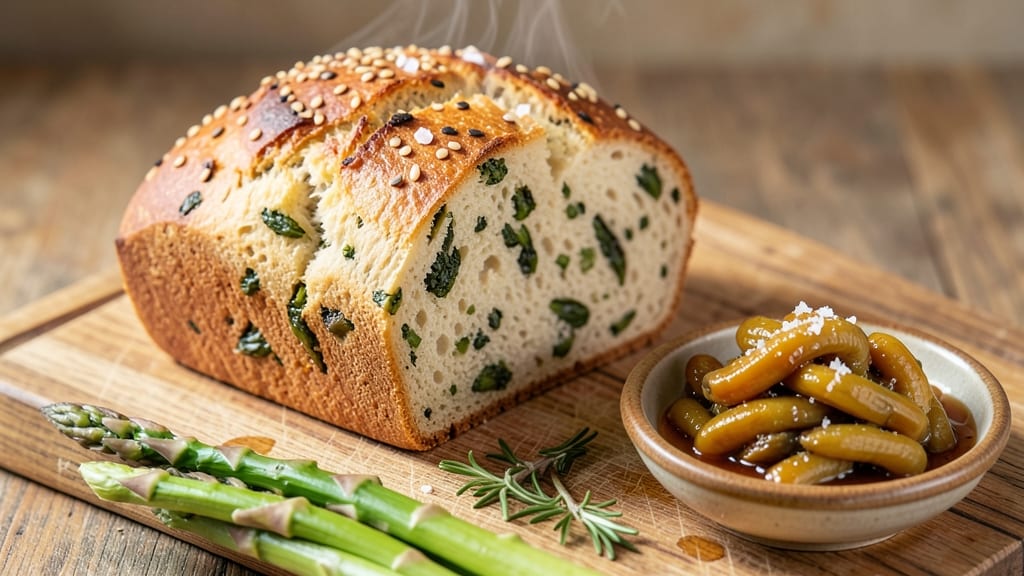
This asparagus bread recipe transforms humble ingredients into a showstopping loaf where tender herb-infused dough meets crisp-tender asparagus spears baked right into every bite.
The secret lies in sautéing the asparagus first to concentrate its natural sweetness, then folding it into a rich yeast dough with garlic, thyme, and a touch of parmesan for depth.
What makes this recipe special is how it balances texture—flaky crust, airy crumb, and those satisfying green crunches that disappear with every pull. The process is straightforward but rewarding: mix your dough, let it rise, then carefully layer the sautéed asparagus before shaping into a loaf.
Baking at 375°F for 30-35 minutes yields golden-brown crust with pockets of caramelized asparagus peeking through. The aroma alone transforms any meal, but the first bite—where warm, herby bread meets tender asparagus—is what keeps people coming back.
This isn't just bread; it's a vegetarian centerpiece that shines alongside roasted meats or stands proudly on its own with a simple green salad. The asparagus adds visual appeal while contributing a subtle earthy sweetness that pairs beautifully with the savory herbs.
Perfect for spring menus, potlucks, or impressing dinner guests, this loaf proves vegetables can be the star of the show. For extra flair, brush the baked loaf with garlic butter and sprinkle with sesame seeds. Slice thick for dramatic presentation or serve warm with a side of your favorite soup.
The recipe scales easily, so you can make it for a crowd or save leftovers for sandwiches—just be warned, they won't last long.
Ingredients for asparagus bread
Four cups flour, one pound asparagus, and a handful of herbs create a showstopping vegetarian loaf.
| Ingredient | Amount | Notes |
|---|---|---|
| All-Purpose Flour 🌾 | 4 cups | Sifted for light texture |
| Active Dry Yeast 🍞 | 2 ¼ tsp | One packet preferred |
| Granulated Sugar 🍚 | ¼ cup | For yeast activation |
| Vegetable Oil 🫒 | ½ cup | Light olive or canola |
| Whole Milk 🥛 | 1 cup | Warm for yeast activation |
| Fresh Asparagus 🌱 | 1 lb | Tender spears, trimmed |
| Garlic Cloves 🧄 | 4 cloves | Minced for depth |
| Fresh Thyme Leaves 🌿 | 1 tbsp | Or 1 tsp dried |
| Grated Parmesan Cheese 🧀 | ½ cup | Freshly grated preferred |
| Salt 🧂 | 1 ½ tsp | Diamond Crystal preferred |
| Black Pepper 🌶️ | ½ tsp | Freshly cracked |
| Sesame Seeds 🌰 | 2 tbsp | For garnish |
| Unsalted Butter 🧈 | 2 tbsp | Melted for brushing |
The asparagus selection is critical—tender spears with vibrant green tips ensure optimal texture and flavor. Most grocery stores carry pre-trimmed asparagus in the spring, but if buying whole, snap off the woody bottoms. Whole Foods or local farmers markets often have the freshest, most flavorful stalks. For the Parmesan, grate it yourself from a wedge rather than using pre-grated cheese, which contains anti-caking agents that prevent proper melting. The flour should be sifted before measuring to achieve that perfect light crumb structure, and store it in an airtight container to maintain freshness.
No fresh thyme? Dried thyme at one-third the amount works in a pinch, though fresh offers superior aroma. Substituting asparagus? Green beans or zucchini, sautéed until tender-crisp, provide similar texture and sweetness. The yeast must be active dry—never instant yeast, as the hydration process differs. For a richer flavor, consider adding 1 tsp of nutritional yeast along with the Parmesan. If you're concerned about the bread drying out, slice it and freeze between parchment paper for up to 3 months—just thaw before serving.
This loaf develops its signature flavor during the 2-hour rise time, so plan accordingly. Store any leftovers in a paper bag at room temperature for up to 2 days, as plastic traps moisture and softens the crust too quickly. For reheating, wrap slices in foil and warm in a 350°F oven for 5-7 minutes. The garlic butter brush adds an extra layer of flavor—mix 2 tbsp melted butter with 1 minced garlic clove for optimal seasoning. Portion the dough into individual loaves for easy storage and serving.
Why You'll Love This Recipe
- No-Fuss Dough: I swear by this recipe because it’s the kind of bread that forgives mistakes. The yeast activates in warm milk while I measure flour—no kneading, no waiting for hours. Just toss, let it rise once, and bake. My lazy Sundays thank me.
- Hidden Green Magic: That asparagus puree in the dough? It’s the secret weapon. The bread has a subtle, fresh brightness—like a spring breeze in every bite—but no one will guess it’s not just your basic loaf. Honestly, I add extra because it makes everything better.
- Weeknight Wonder: This bread is my go-to when I’m too tired to think. Toast it for breakfast, use it for sandwiches at lunch, or serve it warm with dinner. It’s the kind of thing that disappears fast, but I never run out because it’s so easy to make another batch.
- Budget-Friendly Staple: I make this at least once a month because it’s cheap and stretches far. A single loaf feeds my family for days—sliced, toasted, or even repurposed into croutons. Plus, using pantry staples like flour and milk means I’m not breaking the bank for fancy ingredients.
Step-by-step instructions for herb-infused asparagus bread
Transform fresh asparagus into a flavorful, textured loaf with this precise baking method.
Prepare the Asparagus and Garlic Mixture
Preheat your oven to 400°F and line a baking sheet with parchment paper. Trim the tough ends from the 1 lb fresh asparagus, then cut the spears into ½-inch pieces. Spread them evenly on the prepared baking sheet and roast for 10-12 minutes until tender and slightly caramelized at the edges.
While the asparagus roasts, mince the 4 cloves garlic and chop the 1 tbsp fresh thyme leaves finely. In a small bowl, combine the roasted asparagus, minced garlic, thyme, ½ cup grated parmesan cheese, ½ tsp black pepper, and 1 tsp salt. Set aside to cool slightly—this mixture will become the bread's signature green flecks and savory base.
Activate the Yeast and Mix the Dough
In a small bowl, warm the 1 cup whole milk until it reaches 110°F (it should feel warm to the touch but not hot). Sprinkle the 2.25 tsp active dry yeast and ¼ cup granulated sugar over the milk, then let sit for 5-7 minutes until frothy. This step ensures your yeast is active and ready to leaven the dough properly.
In the bowl of a stand mixer fitted with the dough hook, combine the 4 cups all-purpose flour, remaining ½ tsp salt, and the cooled asparagus mixture. With the mixer on low speed, gradually add the yeast mixture and ½ cup vegetable oil, mixing until a shaggy dough forms. Increase the speed to medium and knead for 5-7 minutes until the dough becomes smooth and elastic, pulling away from the sides of the bowl.
First Rise and Shape the Loaf
Lightly oil a large bowl and transfer the dough to it, covering it with a damp kitchen towel. Place the bowl in a warm, draft-free area and let the dough rise for 1-1½ hours, or until it has doubled in size. You'll know it's ready when you poke the dough gently—it should spring back slowly rather than immediately.
Once risen, punch down the dough to release air, then turn it out onto a lightly floured surface. Gently shape it into a 9x5-inch loaf pan, seam-side up. Brush the top with melted 2 tbsp unsalted butter and sprinkle evenly with 2 tbsp sesame seeds. Cover loosely with the towel and let it rise again for 30-45 minutes until it's just above the pan's rim.
Bake to Golden Perfection
Transfer the loaf to the preheated 375°F oven and bake for 30-35 minutes until the top is deep golden brown and the internal temperature reaches 190°F. Tap the bottom of the loaf—it should sound hollow, indicating it's fully baked.
Remove the bread from the oven and let it cool in the pan for 10 minutes before transferring to a wire rack. The internal temperature will continue to rise slightly as it cools, ensuring a perfectly textured crumb. Once cooled, slice into ½-inch thick pieces to reveal the vibrant green asparagus specks throughout the loaf.
Pro Tips For Making Asparagus Bread
- Bloom Yeast in Warm Milk: Skip the dry yeast shortcut—mix the yeast with the warm milk (not hot) and a pinch of sugar first, then let it sit for 5 minutes until foamy. I learned this the hard way after my dough took forever to rise because the yeast was still asleep in the flour.
- Pulse Asparagus Finely: If you’re adding asparagus, chop it super fine—think food processor, not knife—so it blends into the dough evenly. I used to see specks of green, and it looked like I’d forgotten to mix. (Your future self will thank you.)
- Don’t Overmix the Dough: Mix the dough just until it comes together—overworking it makes the bread dense. After burning three batches, I finally figured out: stop when the flour is mostly incorporated, then knead by hand for 5 minutes. Less effort, better texture.
- Brush with Oil Before Baking: Coat the shaped loaf with vegetable oil right before baking—it guarantees a crisp crust without extra work. I skip this when I’m lazy, but the difference in browning and shine is noticeable. (Yes, even if you’re impatient like me.)
Flavor customization for this recipe
Sweet & Tangy Twist
Brighten the flavor profile by adding 1 tbsp lemon zest and 1 tbsp honey to the asparagus mixture before folding it into the dough. The citrus acidity cuts through the richness of the Parmesan while the honey enhances the natural sweetness of the asparagus.
I find this works especially well when paired with a drizzle of balsamic glaze after baking for a sophisticated touch. 🍯
Spicy Kick Option
For a bold flavor punch, stir ½ tsp smoked paprika and ¼ tsp cayenne pepper into the asparagus mixture. If you prefer heat without the spice, add 1 tbsp finely chopped jalapeño for a smoky-sweet contrast.
This variation pairs beautifully with a side of creamy avocado slices or a cooling yogurt dip. 🌶️
Herb Variations
Swap out thyme for other fresh herbs to change the flavor entirely. Try 1 tbsp chopped rosemary for an earthy aroma or 1 tbsp chopped dill for a lighter, brighter taste. I recommend using 1 tsp dried herbs if fresh isn't available, but remember dried herbs are more concentrated. 🌿
Cheesy Upgrade
Boost the richness by adding ¼ cup shredded Gruyère cheese alongside the Parmesan. The nutty, slightly sweet notes of Gruyère complement the asparagus beautifully and create a melty texture when sliced. For extra decadence, sprinkle 1 tbsp breadcrumbs on top before baking to create a crispy crust. 🧀
Nutty Crunch Addition
Mix 2 tbsp toasted pine nuts or walnuts into the asparagus mixture for added texture. The nuts add a satisfying crunch that contrasts with the soft bread. For a more substantial bite, try ¼ cup chopped pecans, which hold up well during baking. 🌰
Seasonal Adaptations
In summer, swap asparagus for zucchini or green beans sautéed with garlic and herbs. For a fall twist, use roasted butternut squash instead—simmer it with thyme and a pinch of cinnamon for warmth. Winter calls for caramelized onions mixed with a touch of balsamic vinegar. 🍂
Nutrition facts
Frequently asked questions
Can I use frozen asparagus instead of fresh?
Fresh asparagus gives the best texture and flavor, but you can use frozen in a pinch. Thaw it completely first, then pat dry thoroughly to avoid excess moisture in your dough. For 1 lb frozen asparagus, follow the same roasting time (10-12 minutes at 400°F) after chopping. The texture will be slightly softer than fresh, but still delicious!
Why does my dough smell yeasty but isn't rising?
Cold milk or old yeast are the most common culprits. Always warm your milk to 110°F—it should feel warm to touch but not hot. Check your yeast expiration date too! If the dough doesn't rise after 1 hour, try adding ½ tsp more sugar and letting it sit in a warm, draft-free spot (like near your oven with the light on).
How can I make this bread without a loaf pan?
Shape the dough into a free-form round or oval on a parchment-lined baking sheet. Brush with garlic butter and sprinkle sesame seeds before baking at 375°F for 25-30 minutes. For extra crustiness, bake on a preheated pizza stone. The texture will be slightly denser but still packed with asparagus flavor!
Can I add other vegetables to this recipe?
Try sautéing ½ cup diced bell peppers or ¼ cup chopped sun-dried tomatoes with the asparagus for extra depth. For heartier bread, fold in ½ cup cooked quinoa or ½ cup chopped mushrooms. Just be mindful of moisture levels—pat all veggies completely dry before mixing into the dough.
How long will this bread keep fresh?
Store wrapped in a clean kitchen towel at room temperature for 2-3 days for best texture. For longer storage, slice and freeze between parchment paper for up to 3 months. To reheat, wrap slices in foil and warm in a 350°F oven for 5-7 minutes until golden and fragrant again!