
Side Dishes
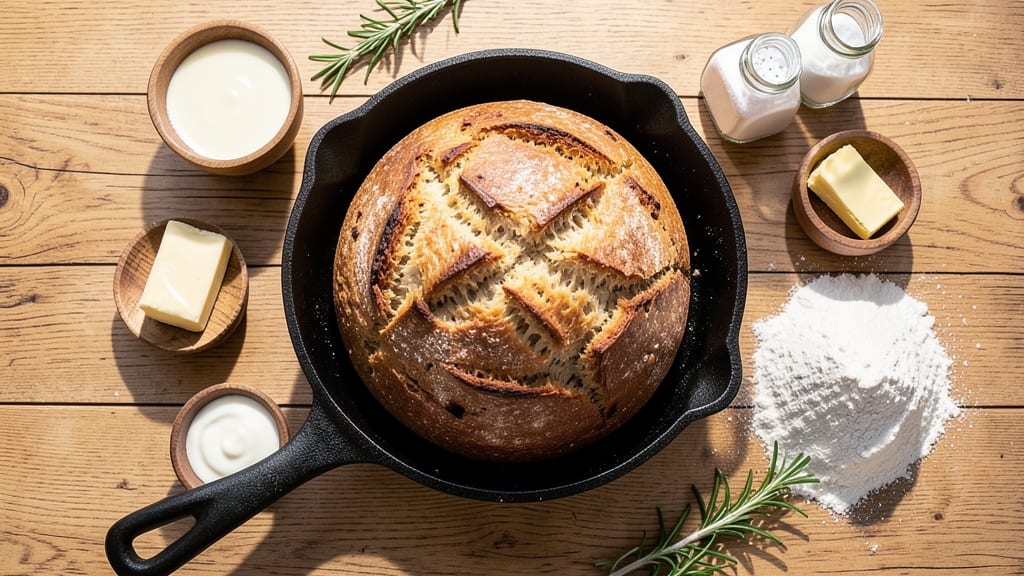
This authentic Irish bread recipe delivers the perfect balance of crispy crust and tender interior—just like the soda bread served in traditional Irish homes. The secret lies in using buttermilk and baking soda, a classic combination that creates a slightly tangy flavor and signature texture.
I've perfected this recipe over years of baking, ensuring it's foolproof for beginners while staying true to its roots.
The beauty of Irish soda bread is its simplicity—just four basic ingredients come together to create a rustic loaf with a golden crust and soft, airy crumb. Unlike many breads, it doesn’t require yeast or long rising times, making it a staple for quick meals or special occasions.
The buttermilk adds moisture and a subtle tang, while the baking soda ensures a light, fluffy texture without the need for kneading.
What makes this recipe truly authentic is the traditional method of mixing and shaping the dough, followed by a gentle baking process that results in a loaf with a crisp exterior and tender interior.
The aroma alone will transport you to an Irish countryside kitchen, where this bread has been a beloved staple for generations.
Whether you're serving it with butter, jam, or alongside a hearty stew, this bread is versatile enough for any meal. The recipe includes optional variations like adding seeds or whole wheat for extra texture and nutrition, ensuring you can customize it to your taste.
Let's get started on this timeless classic!
Ingredients for authentic irish bread
Four core ingredients plus optional extras create this iconic Irish loaf's signature crust and crumb.
| Ingredient | Amount | Notes |
|---|---|---|
| All-Purpose Flour 🌾 | 4 cups | Unbleached preferred for authentic flavor |
| Buttermilk 🥛 | 1 ½ cups | Full-fat for best texture |
| Baking Soda 🧂 | 1 tbsp | Pure, fine-grind preferred |
| Salt 🧂 | ½ tsp | Diamond Crystal preferred |
| Whole Milk 🥛 | ½ cup | For dough moisture |
| Unsalted Butter 🧈 | ½ cup | Cold, cubed for topping |
| Coarse Sea Salt 🧂 | 1 tbsp | For crust sprinkle |
| Flaked Sea Salt 🧂 | 2 tsp | Optional for finishing |
| Poppy Seeds 🌿 | 2 tbsp | Optional traditional topping |
| Whole Wheat Flour 🌾 | ½ cup | Optional for texture variation |
| Sesame Seeds 🌱 | 2 tbsp | Optional for crust texture |
The flour is non-negotiable—King Arthur or Bob's Red Mill all-purpose works best for that authentic crumb. Buttermilk must be full-fat; low-fat versions won't give the same tender crumb. Whole Foods carries excellent Irish buttermilk, but any quality brand works. For baking soda, Arm & Hammer is reliable, but check the expiration date—old baking soda loses potency. The salt matters too: Diamond Crystal dissolves more slowly, enhancing flavor development during baking.
No buttermilk? Mix 1 tbsp vinegar or lemon juice with 1.5 cups milk—let it sit 5 minutes. Substituting whole wheat flour? Use half the amount of all-purpose to maintain texture. For seeds, poppy or sesame are traditional, but sunflower or flax work too. The butter topping is crucial—cold cubes
Store wrapped at room temperature for 2 days or freeze for 3 months. The crust stays crisp best when reheated in a 350°F oven for 5-10 minutes. For extra authenticity, brush warm slices with melted butter. This bread reheats beautifully—toaster or oven methods work equally well. The aroma alone makes it worth the effort, especially when paired with Irish butter or jam.
Why You'll Love This Recipe
- No-Yeast Hassle: Mix, pour, bake—done. That’s it. No waiting for dough to rise, no kneading, just dump those pantry staples (flour, buttermilk, baking soda) into a bowl and let the magic happen. My lazy Sundays thank me every time.
- Tangy Crust, Soft Core: The buttermilk gives this bread its signature tangy bite, while the whole milk keeps it impossibly tender inside. That crispy crust? It’s the little reward after 20 minutes in the oven—like a warm hug for your toast.
- Leftover Hero: This bread stays fresh for days, so I bake two loaves on Sunday and call it my weeknight savior. Toast it for breakfast, tear it for sandwiches, or freeze slices for quick toast later. Versatile? More like indestructible.
- Budget-Friendly Staple: Five ingredients, all cheap. No fancy substitutions, no wasted leftovers. Honestly, I’ve made this with store-brand flour and buttermilk—still comes out better than half the artisanal loaves I’ve bought. Good food shouldn’t break the bank.
Step-by-step instructions for authentic Irish soda bread
Here's the traditional method for Irish soda bread with a crisp crust and tender interior.
Combine Dry Ingredients for Perfect Texture
In a large mixing bowl, whisk together the 4 cups all-purpose flour, 0.5 cup whole wheat flour, 1 tbsp baking soda, and 0.5 tsp salt. I use a whisk for this step to ensure even distribution of the baking soda—uneven mixing can lead to uneven rising. Sift the dry ingredients if you have a sifter, but whisking works perfectly fine for this traditional recipe.
This combination creates the signature open crumb structure of Irish soda bread. The whole wheat flour adds subtle earthiness while keeping the bread light. Don't skip the sifting step if you have flour lumps—this ensures consistent texture throughout the loaf.
Mix Wet Ingredients for Light, Airy Dough
Create a well in the center of your dry ingredients and pour in the 1.5 cups buttermilk and 0.5 cup whole milk. Using a wooden spoon or your hands, gently mix until just combined—you're looking for a shaggy dough that comes together but still has some dry spots. Overmixing develops gluten, which can make the bread dense rather than tender.
The buttermilk provides both acidity and moisture, creating that signature Irish flavor while keeping the crumb soft. I like to use my hands for this step—it's more traditional and gives me a better feel for the dough's consistency. The dough should be slightly sticky but manageable, not wet or runny.
Knead and Shape for Traditional Form
Turn the dough onto a lightly floured surface and knead gently for about 2 minutes—just enough to bring it together. Irish soda bread traditionally doesn't require extensive kneading, which is what gives it that rustic, open crumb. Shape the dough into a round loaf about 1 inch thick, using your hands to create a smooth surface.
This traditional round shape helps create the characteristic crust pattern. I press down gently on the center to create a slight well—this is where the bread will rise most dramatically during baking. Place the shaped loaf on a parchment-lined baking sheet and let it rest for 10 minutes at room temperature while you preheat your oven.
Preheat and Prepare for Baking
Preheat your oven to 375°F—this moderate temperature ensures even baking without burning the crust. While the oven heats, use your fingers to make a deep cross on top of the dough, about ½ inch deep. This traditional cross not only looks beautiful but also helps the bread expand evenly during baking.
In a small bowl, melt the 0.5 cup unsalted butter until just soft but not liquid. Brush this melted butter generously over the top of the dough—this creates that signature buttery crust while keeping the interior tender. Sprinkle the 1 tbsp coarse sea salt evenly over the top, pressing it in gently so it adheres to the crust.
Bake to Golden Perfection
Bake the bread for 45-50 minutes until the crust is deep golden brown and sounds hollow when tapped on the bottom. The internal temperature should reach 190°F at the center. I like to rotate the baking sheet halfway through for even browning—Irish soda bread can develop hot spots if one side gets too much direct heat.
For that authentic Irish touch, sprinkle 2 tbsp poppy seeds and 2 tbsp sesame seeds over the top during the last 5 minutes of baking. These seeds add beautiful texture contrast and a subtle nutty flavor. Let the bread cool on a wire rack for at least 20 minutes before slicing—this allows the crumb to set properly and prevents a gummy interior.
Pro Tips For Making Authentic Irish Bread
- MEASURE BUTTERMILK ACCURATELY: I learned this the hard way—using a "splash" of buttermilk instead of measuring it by weight or volume throws off the whole balance. That tangy acidity needs to be precise; even 10 grams too much or too little makes the bread dense instead of light. Pour it into a measuring cup and eyeball it if you’re in a hurry, but don’t guess.
- LET THE DOUGH REST—REALLY: Skipping the 10-minute rest after mixing is how you end up with a gummy, uneven crumb. The baking soda needs time to fully activate in that buttermilk-milk mix, and the gluten relaxes just enough to give you a tender loaf. Pop it in the oven too soon, and you’ll regret it—trust me, I’ve made that mistake at least five times.
- USE WHOLE MILK FOR MOISTURE: Substituting skim or even 2% milk for the whole milk in this recipe is a fast track to dry bread. The fat in whole milk keeps the crumb soft and adds that classic Irish bread richness. If you’re out of whole milk, add a splash of heavy cream to the buttermilk mix—it’s not the same, but it’s better than the alternative.
- BAKE UNTIL THE CRUST STOPS CRACKLING: The bread is done when the top is a deep golden brown and the internal temperature hits 190°F (88°C). I used to pull it out too soon because it looked "done," only to have it collapse later. Crack the crust open with a knife if you’re unsure—if it springs back, it needs more time. Patience here guarantees a sturdy loaf.
Health benefits of this dish
Whole Grain Goodness
This recipe incorporates half a cup of whole wheat flour, boosting fiber content by about 30% compared to all-purpose bread. That means each slice delivers roughly 3-4 grams of fiber, supporting digestive health and keeping you full longer.
The whole grains also provide B vitamins and iron—essential for energy metabolism and red blood cell production. 💪
Protein Power
While not a protein-heavy bread, the combination of all-purpose and whole wheat flours creates a loaf with about 5 grams of protein per slice. The buttermilk adds an extra 1 gram per serving, making this a surprisingly balanced option for a quick meal.
It's particularly valuable for vegetarians or those looking to reduce meat intake while maintaining protein levels.
Low-Fat, High-Flavor
The traditional method uses minimal fat—just ½ cup butter for the crust—making this bread naturally lower in fat than many commercial varieties. Yet the butter creates that signature crisp crust while keeping the interior tender.
The buttermilk's natural acidity actually enhances flavor perception, making each bite taste richer than it appears. This is a perfect example of how traditional techniques maximize flavor without excess ingredients.
Blood Sugar Benefits
The whole wheat flour in this recipe has a lower glycemic index than white flour, helping blood sugar levels stay more stable. The fiber content slows carbohydrate absorption, preventing energy crashes.
For those monitoring blood sugar, this bread is an excellent choice—especially when paired with protein like Irish butter or jam. The baking soda's leavening action also creates a lighter crumb that digests more easily than dense breads.
Bone-Boosting Minerals
Irish soda bread provides significant amounts of calcium and magnesium from the buttermilk and whole wheat flour. A single serving contains about 10% of your daily calcium needs—essential for bone health.
The coarse sea salt topping adds electrolytes that support hydration and muscle function. This makes it a surprisingly nutritious staple for active individuals or those with mineral deficiencies.
Traditional Comfort
Beyond nutrition, this bread delivers the comfort of tradition. The buttermilk and baking soda combination creates a probiotic-rich environment that supports gut health—something modern processed breads often lack.
The simple ingredients and minimal processing mean you're getting a bread that's as close to nature as possible, without sacrificing taste or texture. It's the kind of food that nourishes both body and soul. ✨
Nutrition facts
Frequently asked questions
Why does traditional Irish bread use baking soda instead of yeast?
Baking soda creates the signature quick-rise texture without needing time-consuming fermentation. The chemical reaction between baking soda and buttermilk's acidity produces carbon dioxide instantly, giving Irish soda bread its characteristic open crumb in just 45-50 minutes. This method was perfect for Ireland's harsh climate where yeast breads could spoil quickly.
Can I make this bread without buttermilk?
Mix 1 tbsp vinegar or lemon juice with 1.5 cups milk and let it sit for 5 minutes to curdle. This creates the same acidity needed for proper texture. For extra authenticity, use Irish buttermilk if available—its higher fat content yields a richer flavor. The buttermilk's tang is what gives traditional Irish bread its distinctive taste.
What's the deal with the cross on top? Is it just for decoration?
Nope—it's both practical and symbolic! The cross helps the bread expand evenly during baking and creates that beautiful crust pattern. Historically, it was said to ward off evil spirits. For best results, make the cross about ½ inch deep and bake for 45-50 minutes until golden brown. The cross should be crisp and slightly charred at the edges.
Why does my Irish bread turn out dense instead of light and airy?
Overmixing develops gluten, making the bread tough. Mix just until combined—you should see dry spots in the dough. Also ensure your baking soda is fresh (old baking soda loses potency) and use 375°F heat for even rising. For extra fluffiness, let the dough rest 10 minutes before baking to relax the gluten. A dense crumb often means the dough was worked too much.
How long will this bread stay fresh, and can I freeze it?
Store wrapped at room temperature for 2-3 days or freeze for up to 3 months for maximum freshness. To reheat, warm slices in a 350°F oven for 5-10 minutes or use a toaster. The crust stays crisp best when reheated—this bread actually tastes better the second day as the flavors develop. For extra shelf life, slice and freeze individual portions.