
Side Dishes
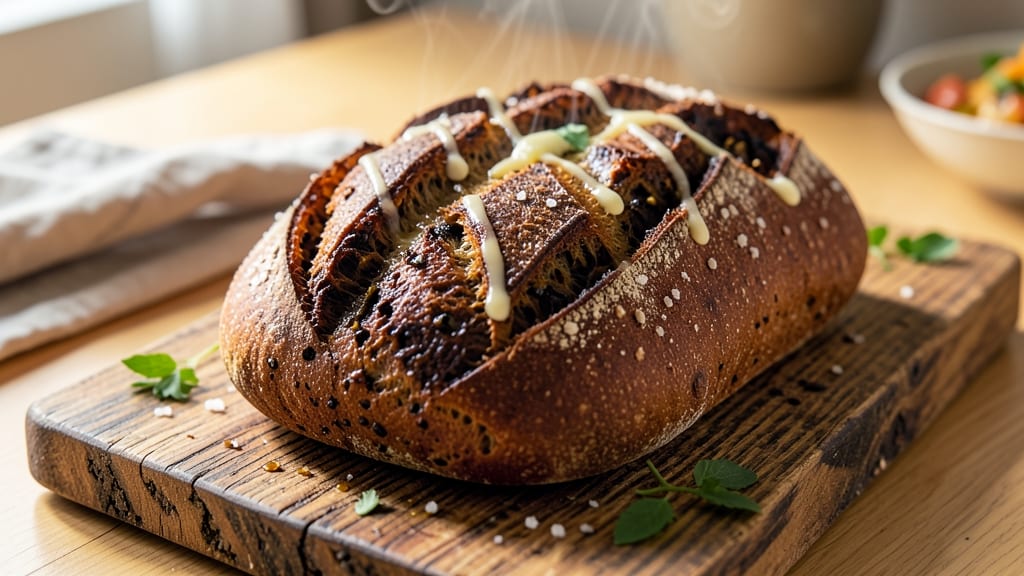
This authentic Swedish rye bread recipe brings the heart of Scandinavian baking to your kitchen—dense, molasses-kissed, and packed with deep flavor. 🌟 The secret lies in a precise blend of rye flour, yeast, and a touch of honey, creating a loaf with a crusty exterior and a tender, slightly sweet crumb that’s been a staple in Swedish homes for generations.
Unlike lighter breads, this version relies on a slow fermentation process to develop its signature complexity.
What makes this recipe truly authentic is the balance of ingredients and technique. Rye flour provides the signature heartiness, while molasses adds that signature depth—just like the bread you’d find in a Swedish fika (afternoon coffee break).
The dough requires patience: an overnight cold proof ensures maximum flavor development and a perfect rise, resulting in a loaf that’s both sturdy and irresistibly aromatic.
By the time you pull it from the oven, you’ll have a golden-brown crust with a satisfying crunch and a crumb so tender it practically melts in your mouth. The aroma alone—warm, slightly sweet, with hints of caramelized molasses—will have everyone asking for seconds.
This isn’t just bread; it’s a taste of tradition, perfect for sandwiches, toast, or simply enjoyed with butter.
Ready to bake like a Swedish baker? The process is straightforward but requires attention to detail—especially the proofing stage. Once mastered, this recipe will become a cornerstone of your baking repertoire, delivering restaurant-quality results with every loaf. Let’s get started!
Ingredients for authentic swedish rye bread
Nine essential ingredients for that signature Swedish rye flavor—molasses, honey, and rye flour working magic together.
| Ingredient | Amount | Notes |
|---|---|---|
| Dark Rye Flour 🌾 | 3 cups | Light or medium rye preferred |
| All-Purpose Flour 🌾 | 1 cup | For structure and lift |
| Active Dry Yeast 🍞 | ¼ oz | Or 2.25 tsp (1 packet) |
| Molasses 🍯 | ½ cup | Unsulphured for authentic flavor |
| Honey 🍯 | ¼ cup | Light amber preferred |
| Warm Water 💧 | 1 ½ cups | 110°F (43°C) for yeast activation |
| Salt 🧂 | 1 ½ tsp | Diamond Crystal preferred |
| Butter 🧈 | ¼ cup | Cold, cubed for dough enrichment |
| Milk 🥛 | ½ cup | Warm for dough tenderness |
| Cornmeal 🌽 | ¼ cup | For dusting loaf pan |
| Coarse Sea Salt 🧂 | 1 tbsp | For crust sprinkling |
| Sesame Seeds 🌿 | 1 tbsp | Optional for traditional topping |
The rye flour is non-negotiable here—King Arthur or Bob's Red Mill are my go-tos for that authentic density. Unhulled rye adds extra depth if you can find it, but regular rye works perfectly fine. Molasses is where the magic happens: Goya unsulphured from the Latin foods aisle is my secret weapon, but any good-quality molasses will do. The yeast? Fresh is best—check the date on the packet, and if it's been sitting in your pantry for months, grab a new one. For the butter, European-style unsalted gives the best flavor, but regular butter works in a pinch.
No molasses? Maple syrup plus 1 tsp vinegar mimics the depth, though it won't be identical. Short on rye flour? Substitute half with whole wheat, but the texture won't be as tender. The honey can be swapped for agave or light corn syrup, though honey's floral notes are ideal. For a gluten-free version, use a 1:1 rye flour blend—just know the texture will differ. The butter and milk can be dairy-free if needed, but traditional Swedish recipes rely on their richness. And if sesame seeds aren't your thing, poppy seeds or extra coarse salt work beautifully too.
This dough needs time—at least 8 hours cold proofing for maximum flavor. Store the dough in the fridge between rises, covered tightly. The molasses and honey will keep for 1 year in your pantry, while the flour should be used within 6 months for best results. Once baked, the loaf stays fresh for 3-4 days wrapped in a towel, or you can freeze slices for up to 3 months. I always bake two loaves—one for the table, one for freezing.
Why You'll Love This Recipe
- No-Knead Magic: I swear by this—just mix, wait, and bake. The yeast and molasses do all the heavy lifting while you sip coffee. That dark rye flour gives it depth without requiring a stand mixer or fancy techniques.
- Sweet-Savory Balance: The molasses and honey caramelize just enough to create this perfect contrast—rich, slightly tangy, with a subtle sweetness that makes it irresistible. Honestly, I’ve seen people go back for third slices without anything else on their plate.
- Weeknight Workhorse: This bread is my secret weapon for lazy mornings and busy dinners. Toast it for breakfast, use it for sandwiches, or even serve it warm with butter and jam. It’s the one loaf that does it all without needing a fancy occasion.
- Budget-Friendly Staple: Dark rye flour might sound fancy, but it’s actually cheaper than buying pre-made bread. A single batch stretches for days—perfect for meal prep—and the honey and molasses add richness without breaking the bank. Plus, leftovers? They’re even better the next day.
Step-by-step instructions for authentic Swedish rye bread
Let's bake this traditional loaf with deep molasses flavor and a satisfying crunch.
👨🍳 Step 1: Activate the Yeast with Molasses and Honey
In a large mixing bowl, combine the 1.5 cups warm water (about 110°F) with the 0.5 cup unsulphured molasses and 0.25 cup honey. Stir until completely dissolved - the mixture should be smooth and slightly syrupy. This creates the perfect environment for yeast activation while adding that authentic Swedish depth.
Sprinkle the 0.25 oz active dry yeast over the liquid and let it sit for 5-10 minutes until it becomes foamy and bubbly. You'll know it's ready when the surface develops small bubbles and expands noticeably. If it doesn't activate after 15 minutes, your yeast might be dead - start fresh with a new packet. This step is crucial for developing the bread's signature rise and texture.
👨🍳 Step 2: Mix the Dough with Wet and Dry Ingredients
In the same bowl, add the 3 cups dark rye flour, 1 cup all-purpose flour, 1.5 tsp salt, and the 0.25 cup cold cubed butter. Mix with a wooden spoon until a shaggy dough forms. The rye flour will be dense and heavy - don't worry if it looks dry at first. Gradually add the 0.5 cup warm milk while mixing until you have a cohesive dough that pulls away from the bowl sides.
Turn the dough out onto a lightly floured surface and knead for 8-10 minutes until smooth and elastic. I like to use the "windowpane test" here - stretch a small piece of dough between my fingers until it's translucent. If it tears but doesn't rip completely, your dough is ready. The molasses and honey will make this dough slightly stickier than traditional rye, so work quickly and keep your surface lightly floured.
🥘 Step 3: First Rise and Shaping
Lightly grease a large mixing bowl with olive oil, place the dough inside, and cover with a damp towel. Let it rise in a warm place for 1.5-2 hours until it has nearly doubled in size. You'll see bubbles forming on the surface and the dough will feel light and airy when pressed gently. This long fermentation develops the complex flavors that make Swedish rye so special.
Once risen, punch down the dough to release air, then divide it into 4 equal portions (about 1 pound each). Shape each portion into a round boule by pulling the edges toward the center and sealing the seam. Place the boules on a baking sheet lined with parchment paper, cover with the damp towel, and let them rise for another 30-45 minutes until they've puffed up noticeably. The sesame seeds will wait until after baking for that classic Swedish touch.
🔥 Step 4: Bake with Cornmeal and Coarse Salt
Preheat your oven to 375°F and place a baking sheet on the middle rack to preheat as well. Just before baking, sprinkle 0.25 cup cornmeal evenly on the baking sheet - this creates the perfect crisp bottom crust. Carefully transfer each boule to the sheet, then brush the tops with a little water and sprinkle generously with 1 tbsp coarse sea salt. The salt will create those beautiful crusty patterns as it bakes.
Bake for 25-30 minutes until the crust is deep golden brown and sounds hollow when tapped on the bottom. The internal temperature should reach 190-200°F at the center. For that authentic Swedish finish, broil for 1-2 minutes at the end to darken the crust further. Let the bread cool on a wire rack for at least 30 minutes before slicing - this prevents a gummy interior.
🍽️ Step 5: Add Sesame Seeds and Serve
While the bread is still warm, sprinkle each loaf with 1 tbsp sesame seeds for that classic Swedish touch. Press them gently so they adhere to the crust. The seeds should be evenly distributed - this is where the bread gets its beautiful textured appearance. Let the bread cool completely before slicing, as the interior will continue to set up and firm up during this time.
Slice into thick pieces and serve with butter or your favorite smörgåsbord spread. The crust should be crisp and slightly sweet from the molasses, while the interior remains tender and moist. Each bite should deliver that perfect balance of hearty rye flavor with just the right amount of sweetness from the molasses and honey. Store in an airtight container for up to 5 days, or freeze for longer storage.
Pro Tips For Making Authentic Swedish Rye Bread
- WEIGH YOUR FLOURS: I learned this the hard way—measuring rye flour by volume is a disaster. Dark rye flour packs densely, so you’ll end up with a dough that’s too dry and dense. Use a kitchen scale for both the dark rye and all-purpose flour; aim for 60% dark rye to 40% all-purpose by weight. The ratio matters more than you’d think for that classic Swedish chew.
- SOAK THE RYE FLOUR: Skip the dry mix—this is where the flavor happens. Combine the dark rye flour with warm water (about 120°F) and let it sit for at least 2 hours before mixing. I used to rush this, and the bread turned out flat and bland. The soak breaks down the phytic acid, making the bread lighter and letting the molasses and honey shine. (Yes, even if you’re impatient like me.)
- CONTROL THE YEAST: Swedish rye bread isn’t a race, so don’t overproof the dough. After the first rise, check for readiness by doing the poke test—press a finger gently into the dough. If it springs back slowly (not immediately), it’s ready. Overproofing turns the crumb gummy, and no one wants that. Keep the dough in a warm spot (not hot) and give it time. Patience here guarantees a better crumb.
- STEAM THE CRUST: This isn’t optional—it’s what gives Swedish rye its signature crackly crust. Place a metal bowl filled with boiling water in the oven before baking, then slide the loaf in. The steam keeps the top from drying out too fast. I was skeptical until I tried it: the crust stays crisp, and the bread holds its shape without turning rock-hard. Close the oven door quickly to trap the steam.
Troubleshooting great authentic swedish rye bread
Dense Dough Issues
If your dough feels too stiff or refuses to come together, the molasses might be absorbing too much moisture. Try replacing 0.25 cup of the warm water with an extra 1 tbsp of honey—this helps bind the dense rye flour.
I’ve also found that chilling the dough for 30 minutes before kneading makes it easier to handle. If it’s still too dry, add 1 tbsp warm water at a time until it becomes pliable. 🌾
Poor Rise or Flat Loaves
Flat or under-risen loaves usually mean the yeast didn’t activate properly or the proofing environment was too cold. First, verify your yeast is fresh—test it in warm water with 1 tsp sugar; if it bubbles within 5 minutes, it’s active.
Use a proofing box (50-55°C/122-131°F) or place the dough near the oven’s pilot light for consistent warmth. If your kitchen is drafty, cover the bowl with a plastic wrap tent to trap heat.
Gummy or Undercooked Interior
An undercooked center often happens when the oven isn’t hot enough or the bread is sliced too soon. Ensure your oven reaches 375°F before baking, and use an oven thermometer—many ovens run 25°F cooler than set.
Let the bread cool on a wire rack for at least 30 minutes before slicing; the interior will firm up as it cools. If it’s still gummy, bake it for an additional 5-10 minutes at 350°F until the internal temp hits 190°F.
Crust Too Pale or Soft
A pale crust usually means insufficient heat or steam. For a deeper color, broil for 1-2 minutes at the end of baking. Sprinkle 1 tbsp coarse sea salt on the dough before baking—it creates steam that promotes browning.
If your oven lacks steam, place a baking sheet with 1 cup boiling water on the lower rack for the first 10 minutes of baking. This mimics a professional bread oven’s steam environment.
Molasses Overpowering
Too much molasses can make the bread taste bitter or overly sweet. If your batch is unbalanced, reduce the molasses by 2 tbsp next time and add 1 tbsp extra honey for a smoother flavor.
For a more subtle sweetness, use maple syrup instead—it’s less intense but still adds depth. Taste the dough before shaping; it should be pleasantly sweet but not cloying. Adjust gradually in future batches.
Sesame Seeds Not Sticking
Sesame seeds often slide off when the crust isn’t sticky enough. Brush the warm loaves with a light egg wash (1 egg yolk + 1 tbsp water) before sprinkling seeds. Press them gently with the back of a spoon to help them adhere.
If they still won’t stick, try toasting them in a dry pan for 1-2 minutes first—their natural oils will create better grip. A sprinkle of cornmeal mixed with seeds can also help them cling.
Nutrition facts
Frequently asked questions
Can I make this Swedish rye bread without molasses?
Yes, but the flavor will differ. Replace the 0.5 cup molasses with 0.5 cup maple syrup plus 1 tsp apple cider vinegar to mimic the depth. For a sweeter version, use 0.25 cup honey plus 0.25 cup brown sugar. The molasses gives that signature caramelized sweetness—essential for authentic Swedish flavor.
How do I know when the dough is properly risen?
Press a finger gently into the dough—if it springs back slowly (not quickly) and leaves a faint indentation, it's ready. For visual cues, look for bubbles on the surface and dough that's 50-75% larger than when first placed in the bowl. The edges should also feel slightly puffy. If unsure, give it 15 more minutes in a warm spot.
Why does my Swedish rye bread taste bitter?
Bitterness usually comes from overproofed yeast or too much molasses. For the first issue, reduce proofing time by 30 minutes next time. For molasses, cut back to 0.35 cup and add 1 tbsp extra honey for balance. Always taste the dough before shaping—it should be sweet but not cloying.
Can I use a Dutch oven for this recipe?
A Dutch oven creates steam, perfect for a crisp crust and soft interior. Place your shaped boules in the cold Dutch oven, cover, and bake at 375°F for 20 minutes. Remove the lid, sprinkle with coarse salt, and bake 10-15 minutes more until golden. The steam helps develop that classic Swedish rye texture.
How long can I store this bread?
Wrap cooled loaves in a clean kitchen towel and store in an airtight container for 3-4 days. For longer storage, freeze slices wrapped in plastic for up to 3 months. The crust stays crispy when reheated in a 350°F oven for 5 minutes. The towel wrapping keeps it moist without getting soggy.