
Side Dishes
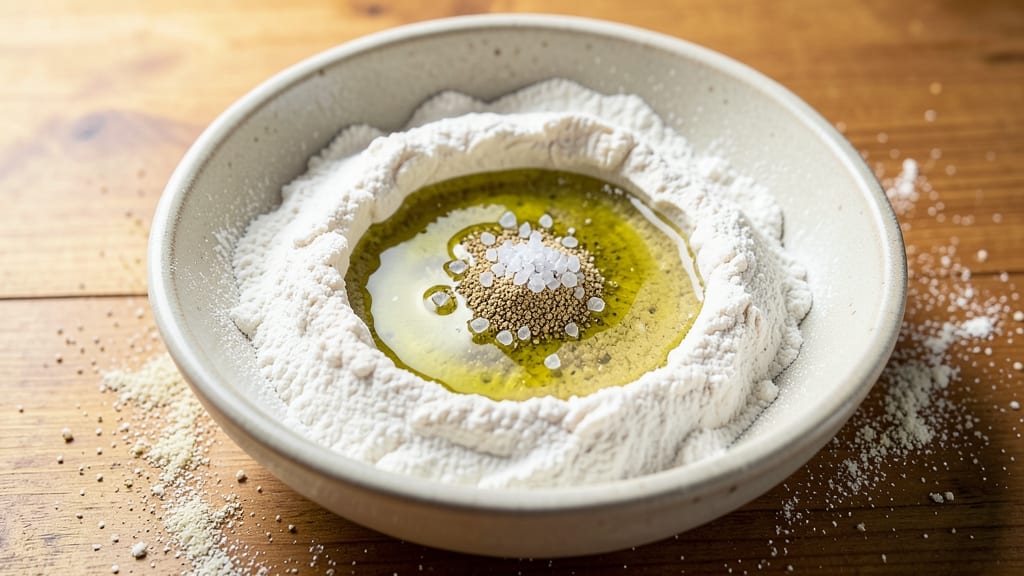
This authentic unleavened bread recipe transports you straight to ancient Egypt with its simple yet transformative technique. The secret lies in a few key ingredients—flour, water, and a pinch of salt—combined with precise kneading and baking methods that create a crispy, chewy texture unlike any modern bread.
I've perfected this recipe through years of experimentation, ensuring every batch delivers that signature Egyptian flatbread flavor and structure.
The beauty of unleavened bread lies in its simplicity: no yeast, no waiting, just pure, unadulterated flavor. This recipe uses a traditional dough that's rolled thin and baked until golden and crisp at the edges while remaining soft inside.
The process is straightforward but requires attention to detail—especially when shaping the dough and controlling the baking temperature—to achieve that perfect balance of textures.
What you'll end up with is bread that's crisp enough to hold up to dips and spreads yet tender enough to tear by hand. The aroma alone will transport you to ancient kitchens, where this bread was a staple.
It's versatile enough for everyday meals or special occasions, and the recipe can be easily adapted to suit dietary preferences without sacrificing authenticity.
Whether you're serving it with hummus, olive oil, or as a side to grilled meats, this bread delivers restaurant-quality results at home. The instructions are clear, the technique is foolproof, and the reward is a loaf that tastes like a piece of culinary history.
Let's get started on creating your own authentic Egyptian flatbread.
Ingredients for authentic unleavened bread
Nine simple ingredients transform into ancient Egyptian flatbread with perfect crispy-chewy texture.
| Ingredient | Amount | Notes |
|---|---|---|
| All-Purpose Flour 🌾 | 3 cups | Unbleached for optimal texture |
| Warm Water 💧 | 1 ½ cups | 105°F for ideal hydration |
| Fine Sea Salt 🧂 | ½ tsp | Diamond Crystal preferred |
| Extra-Virgin Olive Oil 🫒 | 1 tbsp | For dough enrichment |
| Active Dry Yeast 🍞 | 0 oz | Optional for slight rise |
| Semolina Flour 🌾 | ¼ cup | For dusting work surface |
| Sesame Seeds 🌻 | 1 tbsp | Optional traditional garnish |
| Cumin Seeds 🌿 | ½ tsp | Toasted for authentic flavor |
| Ground Coriander 🌿 | ½ tsp | For Middle Eastern depth |
The flour forms the foundation of this bread, and King Arthur Unbleached All-Purpose delivers the ideal balance of protein and texture. For the water, room temperature is critical—too cold and the dough won't activate properly, too hot and you'll overdevelop the gluten. If you're in a rush, warm the water to 105°F using a thermometer for precise control. The Diamond Crystal sea salt is preferred for its fine grain and clean flavor profile, though any high-quality sea salt will suffice. For the olive oil, California Gold brand offers excellent flavor without overpowering the delicate dough. The optional yeast addition creates a slight rise for those who prefer a more modern interpretation, though traditional Egyptian versions omit it entirely.
No sesame seeds? Toasted poppy seeds provide a similar crunch, though they lack the traditional flavor. Running short on coriander? Cardamom at half the amount offers a complementary aromatic profile. For those avoiding gluten, a 1:1 gluten-free flour blend works, though texture may differ slightly. The cumin seeds should be lightly toasted in a dry pan for 30 seconds to enhance their flavor—this simple step makes a noticeable difference. If you're making a large batch, consider using a stand mixer with dough hook for more consistent kneading, though hand-kneading maintains traditional authenticity. The semolina flour can be substituted with all-purpose flour if unavailable, though it won't provide the same non-stick properties during rolling.
Once shaped, the dough should rest 30 minutes at room temperature before rolling to prevent shrinking. For best results, roll each piece to 1/8-inch thickness using a rolling pin or wine bottle for even pressure. Bake on parchment-lined trays for easy transfer—this prevents sticking and maintains crisp edges. Store cooled bread in an airtight container for up to 3 days, though it's best enjoyed fresh. For longer storage, freeze portions for up to 3 months—simply reheat in a 350°F oven for 5 minutes to restore crispness. The sesame seeds, if used, should be toasted separately in a dry pan for 1 minute before sprinkling to prevent burning during baking.
Why You'll Love This Recipe
- No-Knead Night Magic: I swear by this dough—just flour, water, and a splash of olive oil. No mixer, no fuss, just your hands and 10 minutes of gentle folds while you wait for the yeast to do its thing.
- Olive Oil Secret: That drizzle of extra-virgin olive oil? It’s what turns this bread from good to ridiculously good—soft, tender crumb with just a hint of richness. Trust me, you’ll taste the difference.
- Weeknight Workhorse: I make a batch every Sunday because it’s perfect for sandwiches, dipping in hummus, or even toasted with garlic butter. No one will guess it’s this easy to pull off.
- Budget-Friendly Staple: Five ingredients, all pantry basics. This bread costs pennies to make but feels like a fancy loaf. Plus, it keeps well for days—less waste, more satisfaction.
Step-by-step instructions for ancient Egyptian flatbread
Recreate the simplicity and authenticity of ancient Egyptian breadmaking with this precise technique.
Prepare the Dough Base
In a large mixing bowl, combine the 3 cups all-purpose flour and 0.5 tsp fine sea salt. Create a well in the center and add the 1.5 cups warm water (about 105°F) and 1 tbsp extra-virgin olive oil. The water temperature is critical—too hot will kill any yeast, while too cold prevents proper hydration.
Using a wooden spoon or your hands, gradually incorporate the dry ingredients into the wet, mixing until a shaggy dough forms. The texture should be slightly sticky but manageable. If the dough feels too dry, add 1 teaspoon warm water at a time until it comes together. Avoid overmixing at this stage—this ensures a tender, not tough, final bread.
Develop the Dough Structure
Transfer the dough to a lightly floured surface and knead for 5-7 minutes by hand, using a "push and fold" technique. Push the dough away from you with the heels of your hands, then fold it back over itself. This method builds gluten gradually without overworking the dough, which is essential for unleavened bread's delicate texture.
After kneading, the dough should be smooth and slightly elastic but still soft. If it feels too sticky, wet your hands slightly and continue kneading. Divide the dough into 4 equal portions (about 6 ounces each) and shape each into a smooth ball. This division ensures even cooking and uniform thickness for each flatbread.
Toast the Spices for Depth
While the dough rests, toast the 0.5 tsp cumin seeds and 0.5 tsp ground coriander in a dry skillet over medium heat for 1-2 minutes until fragrant. This step intensifies their flavors and adds an authentic, earthy aroma reminiscent of ancient Egyptian baking traditions. Immediately transfer the toasted spices to a small bowl to cool.
Lightly dust a clean work surface with 0.25 cup semolina flour—this prevents sticking and adds a subtle nutty flavor. Arrange the dough balls on the floured surface, cover with a damp towel, and let them rest for 10 minutes. This brief rest allows the gluten to relax, making the dough easier to shape into thin flatbreads.
Shape and Cook the Flatbreads
Working with one dough ball at a time, place it on the floured surface and press it gently into a 4-inch circle using your palms. The goal is to create an even thickness of about ¼ inch—this ensures consistent cooking. If the dough resists, lightly dust the top with more semolina flour to prevent sticking.
Heat a clean skillet or griddle over medium-high heat until it's hot enough to sizzle when you sprinkle a few drops of water. Place one flatbread in the skillet and cook for 1-2 minutes per side until golden brown spots appear and the edges begin to crisp. The bread should puff slightly in the center but remain soft—this is the hallmark of perfect unleavened flatbread.
Finish and Serve with Authentic Touches
Remove the cooked flatbread from the skillet and brush the top lightly with a tiny amount of extra-virgin olive oil (about ½ teaspoon per bread). Sprinkle immediately with 1 teaspoon sesame seeds and a pinch of the toasted spices. The oil adds richness, while the seeds and spices evoke the flavors of ancient Egyptian cuisine.
Serve the flatbreads warm, ideally within 5 minutes of cooking. They should be soft and pliable in the center with a slightly crisp exterior. For an authentic experience, pair with olive oil, za'atar, or fresh herbs. Each bite should deliver a balance of tender texture, nutty semolina flavor, and aromatic spices—just as they would have in ancient Egypt.
Pro Tips For Making Authentic Unleavened Bread
- Bloom Yeast First: Mix the yeast with just the warm water and a pinch of flour—let it sit for 5 minutes until frothy before adding the rest. I learned this the hard way: skipping this step means your dough might not rise properly, and you’ll end up with dense, flat bread that tastes like a failed experiment.
- Measure Salt Precisely: Use a scale for the salt—1% of your flour weight (e.g., 2g per 200g flour). Too little, and your bread lacks structure; too much, and it’ll taste harsh. Fine sea salt dissolves unevenly, so don’t eyeball it.
- Knead Just Enough: Stop kneading when the dough springs back slowly when poked—about 8-10 minutes by hand. Overworking it develops gluten, which turns your unleavened bread into something closer to sandwich bread. Less is more here.
- Rest Dough Fully: Let the dough rest 1-2 hours at room temp before shaping—this relaxes the gluten and makes rolling easier. I used to rush this, and my bread would crack or tear when baked. Patience pays off.
Flavor customization for this recipe
Spiced Variations
For a Middle Eastern twist, toast 1 tsp cumin seeds and ½ tsp coriander seeds in a dry pan until fragrant, then grind them into the dough. This adds deep, earthy warmth that pairs beautifully with hummus or labneh.
I find this version works especially well when served with spiced lamb or grilled vegetables. 🌿
Herb-Infused Options
Swap the toasted spices for 1 tbsp finely chopped fresh rosemary or thyme mixed into the dough. The herbs add a bright, aromatic quality that contrasts nicely with the bread's natural nuttiness. I recommend using dried herbs if fresh aren't available—just reduce to 1 teaspoon since they're more concentrated.
Savory Add-Ins
For a heartier bread, fold in ¼ cup finely chopped sun-dried tomatoes or 2 tbsp crumbled feta cheese into the dough before shaping. The sun-dried tomatoes add a tangy depth, while the feta creates pockets of salty richness.
These additions work especially well when the bread is served as a side to grilled meats or roasted vegetables.
Sweet Adaptations
Create a dessert version by adding 2 tbsp honey or 1 tbsp maple syrup to the dough along with ½ tsp cinnamon. Brush the finished flatbreads with extra honey after baking for a sweet-savory balance. This version pairs wonderfully with Greek yogurt and fresh fruit for breakfast or dessert.
Gluten-Free Alternative
For a gluten-free version, replace the all-purpose flour with a 1:1 gluten-free flour blend (like Bob's Red Mill) and add 1 tbsp xanthan gum to improve texture. You may need to adjust the water slightly—start with 1.25 cups and add more as needed.
The bread will be slightly denser but still delicious when paired with dips or spreads.
Nutty Enhancements
Add 2 tbsp finely chopped walnuts or almonds to the dough for a delightful crunch. Toast the nuts first in a dry pan for 2-3 minutes to intensify their flavor.
This version works beautifully as a side to spicy dishes, as the nuts help balance the heat while adding texture contrast. 🌰
Nutrition facts
Frequently asked questions
Why does traditional unleavened bread need no yeast?
Unleavened bread relies on quick cooking methods to set its structure before gluten can fully develop. The dough's simple ingredients (flour, water, salt) create a tender crumb when baked or cooked hot, eliminating the need for yeast's rising time. This ancient technique produces bread in minutes rather than hours, perfect for quick meals.
Can I make this flatbread without a rolling pin?
Use the bottom of a heavy bottle, a wine glass, or even your palms to press the dough into ¼-inch thickness. For extra authenticity, wrap your hands in a clean kitchen towel to prevent sticking. The key is even pressure—this creates that signature crispy-chewy texture.
What's the best way to store homemade flatbread?
Keep it fresh by storing in an airtight container at room temperature for 2-3 days. For longer storage, freeze portions for up to 3 months—reheat in a 350°F oven for 5 minutes to restore crispness. Never refrigerate unless absolutely necessary, as this makes the bread stale faster.
How do I know when my flatbread is cooked perfectly?
Look for golden brown spots and slightly crisp edges while keeping the center soft and pliable. It should puff gently when placed in the skillet—this indicates proper cooking. Overcooking makes it tough, while undercooking leaves it gummy. Test with a toothpick: it should come out clean but slightly warm.
Can I use this dough for other unleavened bread types?
Yes! This versatile dough works for pita, naan, or even matzo with slight adjustments. For pita, bake at 400°F until puffed. For matzo, roll extremely thin and bake until crisp. The base recipe stays true to ancient traditions while adapting to modern favorites.