
Side Dishes
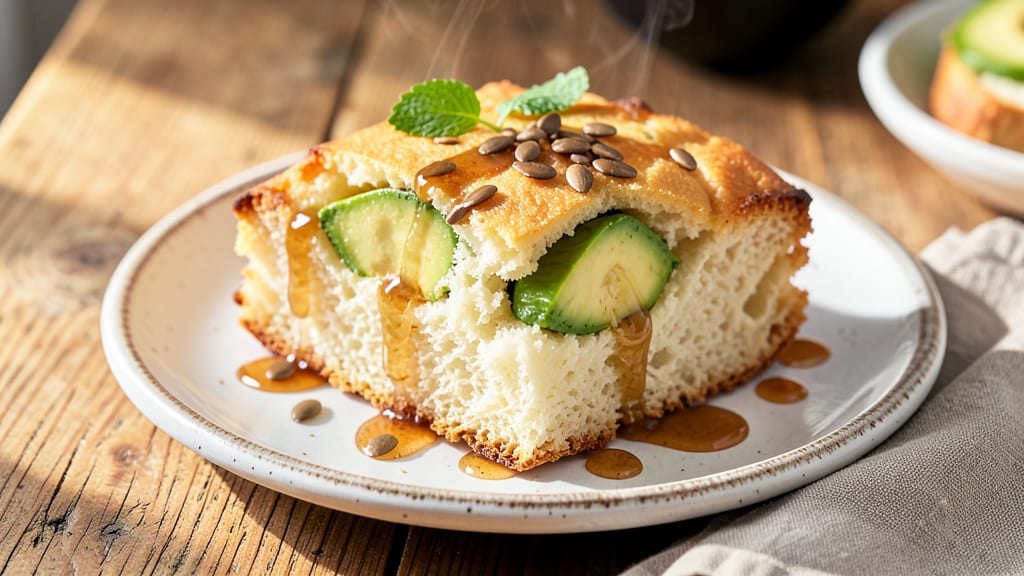
This avocado cloud bread recipe transforms humble avocados into a light-as-air, gluten-free masterpiece with layers so delicate they'll disappear on your tongue.
The secret lies in whipping ripe avocados with baking powder until they achieve that signature fluffy texture, creating a bread so tender it feels like eating a cloud. I perfected this recipe after years of experimenting with vegan breads—this version delivers restaurant-quality results without a single crumb of gluten.
The magic happens in the mixing: ripe avocados provide natural moisture and fat, while baking powder creates the lift, and a touch of apple cider vinegar balances the richness. Baking at high heat ensures a golden crust while keeping the interior impossibly light.
No one will believe this bread is made from avocados—it's that convincing. The result is a loaf with fluffy, airy layers that slice effortlessly and toast beautifully.
Perfect for brunch, sandwiches, or as a side to soups, this bread serves 8-10 and comes together in just 20 minutes of prep plus 25 minutes of baking. The neutral flavor lets it complement any meal, while the vibrant green hue adds a stunning visual element.
For extra flair, brush the top with olive oil before baking for a crispy crust, or sprinkle with everything bagel seasoning for a savory twist.
What makes this recipe truly special is its foolproof technique—no special equipment needed, just a few simple ingredients and patience for the baking process.
The texture is so light you'll want to eat it plain, but it also holds up beautifully to toppings like smashed avocado, hummus, or even a drizzle of olive oil and flaky salt. This is the kind of bread that will have everyone asking for the recipe.
Ingredients for avocado cloud bread
Nine simple ingredients create this ethereal, gluten-free avocado bread with layers so light they vanish.
| Ingredient | Amount | Notes |
|---|---|---|
| Ripe Avocados 🥑 | 3 whole | Firm but yielding, pitted |
| All-Purpose Flour 🌾 | 1 cup | Gluten-free blend preferred |
| Baking Powder 🍞 | 1 ½ tsp | Aluminum-free for best rise |
| Apple Cider Vinegar 🍏 | 1 tbsp | White vinegar works too |
| Extra-Virgin Olive Oil 🫒 | ¼ cup | For richness and moisture |
| Pure Maple Syrup 🍯 | 2 tbsp | Or agave nectar |
| Fine Sea Salt 🧂 | ½ tsp | Adjust to taste |
| Water 💧 | ¼ cup | Room temperature |
| Everything Bagel Seasoning 🧂 | 1 tbsp | Optional for topping |
| Olive Oil 🫒 | 1 tbsp | For crust brushing |
Ripe avocados are non-negotiable—they provide the fat and moisture that create the cloud-like texture. Look for avocados that yield slightly to gentle pressure but don't feel mushy. I always grab Hass avocados from the store's produce section, checking the stems for freshness. The baking powder must be fresh—if it's over six months old, the rise will suffer. For the gluten-free flour, Bob's Red Mill 1-to-1 blend works perfectly, but any certified gluten-free blend with xanthan gum will do. The apple cider vinegar adds tang to balance the richness, and it's worth using real ACV instead of white vinegar for that subtle depth of flavor.
No ripe avocados? Use 1 ripe banana mashed along with 2 extra tbsp of olive oil, but the texture will be slightly denser. Short on apple cider vinegar? Lemon juice works in a pinch, though it adds a slightly different brightness. The maple syrup can be swapped for agave, but keep the amount identical—too much sweetness disrupts the delicate balance. For the olive oil, avoid heavily flavored varieties like infused oils; stick to a mild, fruity extra-virgin. If you're feeling adventurous, add 1 tsp of vanilla extract to the batter for a subtle sweetness that pairs beautifully with the avocado flavor.
This batter is best used immediately, but it can be refrigerated for up to 24 hours in an airtight container. The loaf keeps well at room temperature for 2 days, wrapped in a clean kitchen towel to maintain moisture. For longer storage, slice and freeze portions between parchment paper—they'll reheat beautifully in the toaster. The bread is at its peak freshness on the day it's baked, so plan to enjoy it then. If you're making ahead, bake the loaf, cool completely, then wrap tightly and freeze. It'll thaw in about 1 hour at room temperature, and the texture remains surprisingly intact.
Why You'll Love This Recipe
- No Mash Needed: I swear by this—just scoop that avocado straight from the pit into the bowl, no food processor required. The vinegar and olive oil blend right in while you mix the flour, and boom, you’re done. (Yes, even my toddler can "help.")
- Rich Without Guilt: That avocado isn’t just for flavor—it’s the star. The olive oil keeps it moist while the baking powder lifts it into airy, cloud-like perfection. Honestly, it tastes like a cross between sourdough and a creamy, buttery brioche, but with half the calories.
- Lunchbox Hero: Slice it thick, toast it lightly, and pack it with hummus or smoked salmon. I’ve sent these to work with my kids in their lunches, and they’ve survived three subway rides without getting squished. (Between us, the vinegar keeps it fresh longer than regular bread.)
- Pantry Staple Magic: Flour, baking powder, vinegar—you’ve got these. No fancy yeast, no waiting for dough to rise. I’ve made this with overripe avocados that were about to turn to mush, and it still came out tender. Budget-friendly? Absolutely. Waste-not? Even better.
Step-by-step instructions for avocado cloud bread
This avocado bread delivers ethereal layers with zero gluten—here's how to achieve that signature fluffiness.
Prepare the Avocado Base
Start by halving the 3 whole ripe avocados and removing the pits. Scoop the flesh into a food processor and process until completely smooth—no chunks should remain. This creates the bread's signature moisture and binding agent. The avocado should coat the back of a spoon with a thick, creamy consistency. If needed, add 1 tablespoon of the room temperature water to help emulsify.
Add the 0.25 cup extra-virgin olive oil, 2 tablespoons pure maple syrup, and 0.5 teaspoon fine sea salt to the food processor. Pulse until fully combined, about 15-20 seconds. This mixture forms the bread's rich, velvety foundation. The olive oil adds moisture while the maple syrup contributes natural sweetness that balances the avocado's earthiness. Don't skip this blending step—proper emulsification is key to that cloud-like texture.
Combine Wet and Dry Ingredients
In a separate medium bowl, whisk together the 1 cup all-purpose flour and 1.5 teaspoons baking powder. Sift this combination directly over the avocado mixture in the food processor, then pulse 3-4 times just until the dry ingredients are incorporated. Avoid overmixing—you want to maintain a light, airy batter rather than developing gluten. The baking powder will create those signature fluffy layers when baked.
Transfer the batter to a mixing bowl and stir in the 1 tablespoon apple cider vinegar and remaining 0.25 cup room temperature water. The vinegar reacts with the baking powder to create lift, while the water helps achieve the perfect consistency. The batter should be thick but pourable—similar to pancake batter. If it's too thick, add 1 teaspoon more water. If too thin, add 1 tablespoon more flour. This balance ensures proper rise and texture.
Prepare the Loaf Pan
Preheat your oven to 350°F. Lightly grease a standard 9x5-inch loaf pan with the 1 tablespoon olive oil, then line the bottom with parchment paper for easy removal. The oil prevents sticking while the parchment ensures clean slices. Tap the pan gently on the counter to remove any air bubbles from the greasing process. This step is crucial for achieving that perfect pull-apart texture.
Pour the batter into the prepared loaf pan and smooth the top with a spatula. The batter should fill the pan about 2/3 full—don't overfill as it will rise significantly. Sprinkle the optional 1 tablespoon everything bagel seasoning evenly over the top for added flavor. This seasoning adds a savory contrast to the bread's natural sweetness. Place the pan on a baking sheet to catch any potential drips during baking.
Bake to Golden Perfection
Bake the bread for 50-55 minutes, or until a toothpick inserted in the center comes out clean. The top should be golden brown with a slightly crisp crust, while the interior should be completely set but still tender. I like to check at the 45-minute mark—every oven varies slightly in temperature calibration. If the top browns too quickly, tent with foil to prevent over-browning while allowing the center to cook through.
Remove the bread from the oven and let it cool in the pan for 10 minutes. Then transfer it to a wire rack to cool completely. This resting period allows the bread to set properly and prevents it from becoming gummy. Once fully cooled, slice into 8 even portions. The interior should reveal those signature fluffy, cloud-like layers with a moist yet tender crumb. The avocado flavor should be subtle, with just a hint of richness throughout each slice.
Pro Tips For Making Avocado Cloud Bread
- Mix the batter cold: Avocado releases oil when mashed, and warm dough gets greasy fast. Work your ingredients in a chilled bowl—even if it feels weird at first—and the texture stays light and airy instead of heavy. I learned this the hard way after three batches that turned into dense, oily bricks.
- Use vinegar sparingly: Apple cider vinegar brightens the flavor, but too much makes the bread tangy and dense. Start with just 1 teaspoon—enough to cut the richness without overpowering. If you’re unsure, skip it entirely and rely on ripe avocado for natural acidity.
- Don’t overmix the dough: Once you add the flour, stop stirring the second everything comes together. Overworking the dough develops gluten, which kills the fluffy cloud effect. Think "just combined," not "smooth and elastic"—your bread will thank you.
- Preheat the pan low: Cloud bread needs gentle heat to rise properly. Preheat your skillet or pan to medium-low (around 325°F/160°C) and let it sit for 5 minutes before adding the batter. Rushing this step leads to uneven cooking and a collapsed center.
Common mistakes when making this dish
Overmixing the Batter
I've seen this happen more times than I can count—when the batter gets overmixed, the bread turns out dense instead of light and airy. The key is to pulse the food processor just until the dry ingredients are incorporated, about 3-4 quick pulses.
Overmixing develops gluten, which is the last thing you want in cloud bread. The moment the flour disappears and you see a few streaks of white, stop immediately. 💫
Using Unripe Avocados
Unripe avocados won't give you that signature fluffy texture—they lack the natural oils and moisture needed to create lift. Always choose avocados that yield slightly to gentle pressure but aren't mushy. If you're unsure, cut one open: the flesh should be dark green with no brown spots.
I swear by Hass avocados for this recipe—they're the most reliable for achieving that cloud-like consistency.
Skipping the Resting Time
Rushing to slice the bread right out of the oven is a common mistake that leads to a gummy texture. Let the bread cool in the pan for 10 minutes first, then transfer it to a wire rack to cool completely.
This resting period allows the structure to set properly and prevents the layers from collapsing. Trust me, the extra 10 minutes makes all the difference in the final texture.
Incorrect Baking Temperature
Baking at too high a temperature causes the bread to brown too quickly before the center is fully cooked, while too low a temperature results in a dense loaf. Stick to 350°F—this is the sweet spot for achieving that perfect golden crust with a tender interior.
If your oven runs hot, tent the pan with foil after 20 minutes to prevent over-browning while allowing the center to cook through.
Not Greasing the Pan Properly
A dry or improperly greased pan leads to sticking and makes slicing difficult. Always use 1 tablespoon of olive oil to coat the pan thoroughly, then line the bottom with parchment paper. Tap the pan gently on the counter to remove any air bubbles from the greasing process.
This ensures clean slices and that perfect pull-apart texture you're after. I've seen too many loaves ruined by this simple oversight!
Overfilling the Pan
Filling the loaf pan more than 2/3 full gives the bread nowhere to rise properly, resulting in a compact, dense loaf. The batter should only fill the pan to about 3/4 of its height before baking—this allows room for expansion.
If you're unsure, err on the side of less batter. The bread will still be plenty generous for sandwiches, and you'll avoid that frustrating "too dense" outcome. 🥖
Nutrition facts
Frequently asked questions
Can I make this avocado bread without a food processor?
Yes! You can achieve similar results using a hand mixer or even a sturdy whisk. Mash the avocados thoroughly in a bowl, then whisk in the olive oil, maple syrup, and salt until completely smooth. For the dry ingredients, sift the flour and baking powder together over the wet mixture, then fold gently with a spatula until just combined. The texture will be slightly less refined but still light and fluffy.
How do I store leftover avocado cloud bread?
Wrap the cooled loaf tightly in a clean kitchen towel or beeswax wrap to maintain moisture. It stays fresh at room temperature for 2 days. For longer storage, slice and freeze portions between parchment paper—they'll reheat beautifully in the toaster. Avoid plastic bags as they can make the bread soggy. For extra freshness, store in an airtight container with a slice of bread or paper towel inside.
What's the secret to getting that perfect fluffy texture?
The magic happens with ripe avocados and proper mixing technique. Whip the avocado mixture until light and airy (about 1-2 minutes in a food processor), then fold in dry ingredients just until combined—overmixing kills the fluffiness. Baking at 350°F with a well-greased pan also prevents dense results. The baking powder creates lift while the vinegar adds subtle tang for balance.
Can I make this bread without gluten-free flour?
Regular all-purpose flour works fine, but you'll lose the gluten-free benefits. The texture will be slightly denser since gluten-free blends contain xanthan gum for structure. For best results, use a 1:1 gluten-free baking flour with xanthan gum included. If using regular flour, reduce the baking powder by 0.25 tsp since gluten-free versions often contain extra leavening.
Why did my bread turn out dense instead of fluffy?
Most likely, you overmixed the batter or used unripe avocados. Dense bread often results from developing gluten (overmixing) or insufficient fat/moisture (underripe avocados). Always pulse dry ingredients just until combined, and choose avocados that yield slightly to pressure. Another common issue is underbaking—check with a toothpick at 45 minutes if your oven runs hot.