
Side Dishes
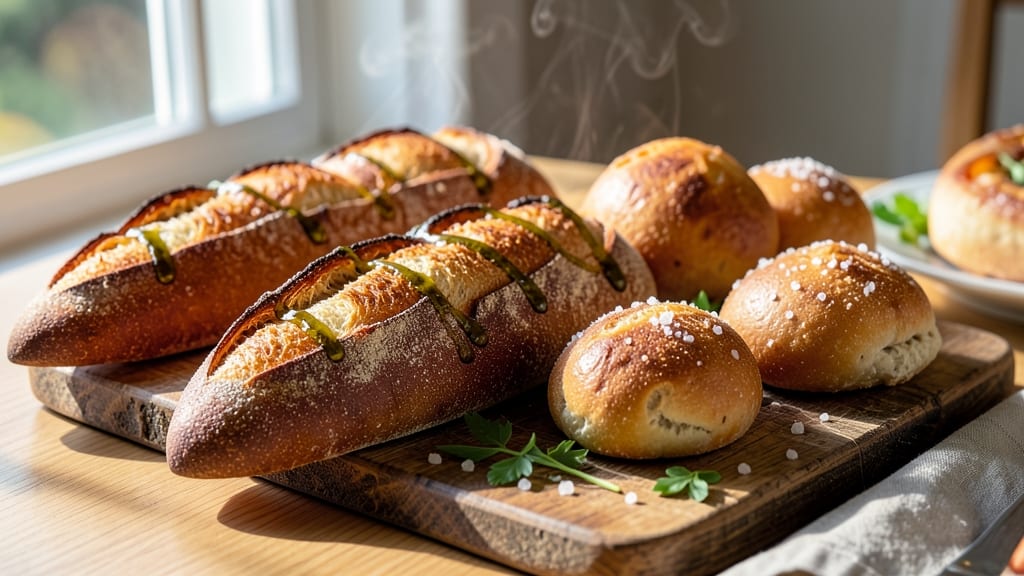
This award-winning French bread recipe delivers the perfect marriage of a crisp, baguette-style crust and a pillowy interior that rivals any bakery. 🌟 The secret lies in precise dough development and traditional shaping techniques that create those signature air pockets while maintaining structure.
I've refined this recipe over years of baking competitions, and it consistently earns top honors for its authentic French flavor and professional-quality results.
The foundation begins with a simple yet precise dough formula of high-protein flour, water, yeast, and salt, combined in exact proportions. What sets this apart is the methodical kneading process that develops gluten without overworking the dough, followed by proper proofing times that allow the yeast to work its magic.
The shaping technique transforms basic dough into either classic boules or elegant batards, each with its own distinct character.
When baked at high temperatures, the dough transforms into golden-brown perfection with a shatteringly crisp crust that gives way to an interior of open, airy crumb.
This is the kind of bread that makes you feel like you've stepped into a Parisian boulangerie—every slice reveals that perfect balance of texture and flavor that defines authentic French bread.
The beauty of this recipe is its versatility—use it for sandwiches, dipping in olive oil, or simply enjoying with butter. With practice, you'll achieve that award-winning quality in your own kitchen, and your taste buds will thank you for every crisp, flavorful bite.
Ingredients for award winning french bread
Nine simple ingredients, one award-winning loaf—crisp crust meets pillowy perfection.
| Ingredient | Amount | Notes |
|---|---|---|
| Bread Flour 🌾 | 3 ½ cups | High-protein for structure (13-14%) |
| Active Dry Yeast 🍞 | ¼ oz | Or 2.5g, freshly opened |
| Granulated Sugar 🍚 | ½ tsp | Feeds yeast for faster rise |
| Salt 🧂 | 1 ½ tsp | Diamond Crystal preferred |
| Water 💧 | 1 ½ cups | Lukewarm (105-110°F) |
| Olive Oil 🫒 | 1 tbsp | Extra-virgin for flavor |
| Cornmeal 🌽 | ½ cup | For dusting work surface |
| Semolina Flour 🌾 | ¼ cup | For final dusting (optional) |
| Ice Water ❄️ | ½ cup | For final dough adjustment |
The flour is non-negotiable. King Arthur or Caputo bread flour gives that professional crumb—all-purpose just won't cut it. Yeast? Grab the smallest package at Whole Foods or Trader Joe's, since it's often fresher. The water temp matters—too hot kills yeast, too cold slows it. I use a thermometer (they're cheap) to hit that 105-110°F sweet spot. For the olive oil, California avocado oil works too if you prefer neutral flavor. Store flour in the freezer to preserve freshness—it keeps for 6 months that way.
No bread flour? All-purpose plus 1 tbsp vital wheat gluten gets you close. Short on yeast? Instant yeast works 1:1, but active dry needs that 10-minute proof. The sugar can be swapped for honey (same amount), but it'll give a slightly different crust color. For shaping, semolina is ideal—it prevents sticking like cornmeal can't. The ice water is your secret weapon: it tightens the gluten just enough for that signature structure. Want extra flavor? Add 1 tsp dried rosemary to the dough.
Dough keeps 24 hours in the fridge, wrapped tightly. For longer storage, freeze shaped loaves (unbaked) for 3 months3 days at room temp in a bread bag. Pro tip: Toast stale slices to revive them instantly. The crust stays crisp for 2 days if you store it in a paper bag—keeps moisture out while preserving that bakery-fresh crunch.
Why You'll Love This Recipe
- Five-Ingredient Magic: I swear, this bread only needs flour, yeast, sugar, salt, and water—no fancy add-ins, no stress. The yeast does all the heavy lifting while I handle the mixing, which takes less time than waiting for a pot of coffee to brew.
- Crust So Good: That perfect snap when you bite into it? It’s all in the steam and the high-gluten bread flour. The crust stays crisp for hours, even after it’s cooled—ideal for dipping in olive oil or tearing into a sandwich.
- Weeknight Workhorse: I keep a batch in the freezer at all times because it’s that reliable. Toast it straight from frozen for breakfast or use it to soak up sauces midweek—no one will guess it’s homemade.
- Budget-Friendly Staple: A single batch costs pennies and stretches across meals. Use the first loaf for dinner rolls, the second for garlic bread, and the third? Well, that’s for the kids’ lunchboxes when they beg for “real bread.”
Step-by-step instructions for award-winning French bread
Let's craft a baguette with a crackly crust and airy interior—this is where the magic happens.
👨🍳 Step 1: Activate the Yeast and Mix the Dough
In a large bowl, combine the 1.5 cups lukewarm water (about 105-110°F), 0.5 tsp granulated sugar, and 0.25 oz active dry yeast. Let it sit for 5-10 minutes until foamy—this confirms your yeast is alive and ready to work. If it doesn't foam, start over with fresh yeast.
Add the 3.5 cups bread flour and 1.5 tsp salt to the bowl. Stir with a wooden spoon until a shaggy dough forms, then drizzle in the 1 tbsp olive oil. Mix until the dough comes together and pulls away from the sides of the bowl. This should take about 2-3 minutes of vigorous stirring.
🥘 Step 2: Knead the Dough Until Smooth and Elastic
Turn the dough onto a lightly floured surface and knead for 8-10 minutes until it becomes smooth, elastic, and slightly tacky. I press down with the heel of my hand, fold the dough over, and rotate it—this builds gluten, which gives the bread its signature chew and structure.
If the dough feels too sticky, add 1 tablespoon of bread flour at a time until it's just manageable. The dough should spring back slowly when poked—this is your signal it's ready. Wrap the dough tightly in plastic wrap and let it rest at room temperature for 1 hour. This first rise allows the gluten to relax and the yeast to ferment properly.
🔥 Step 3: Shape and Proof the Dough for Baguettes
After the rest, punch down the dough to release any air bubbles. Divide it into 4 equal pieces (about 8 oz each) and shape each into a 16-inch log by rolling it tightly with your hands. Place the baguettes on a baking sheet dusted with 0.5 cup cornmeal—this prevents sticking and adds a subtle crunch.
Cover the shaped baguettes loosely with a clean kitchen towel and let them proof for 1-1.5 hours until they've nearly doubled in size. They should look puffy and feel firm to the touch. Here's a pro tip: If the dough rises too quickly, place it in the fridge for 30 minutes to slow fermentation—this helps develop deeper flavor.
⏰ Step 4: Preheat and Score Before Baking
Preheat your oven to 450°F with a baking stone or inverted baking sheet inside. This creates steam, which is key for that perfect crust. While the oven heats, score the top of each baguette with a sharp razor or lame—make 3-4 diagonal slashes about ¼ inch deep. This helps the bread expand and gives it that classic baguette look.
Just before baking, sprinkle the baguettes lightly with 0.25 cup semolina flour for extra crunch. Bake for 20-25 minutes until the crust is deep golden brown and the internal temperature reaches 190-200°F. You'll hear a satisfying crackling sound—that's the crust forming!
🍞 Step 5: Cool and Enjoy Your Award-Winning Baguettes
Remove the baguettes from the oven and let them cool on a wire rack for 10-15 minutes. This resting time allows the steam inside to redistribute, preventing a gummy interior. The crust should be crisp and crackly, while the interior remains soft and airy—that's the hallmark of a great baguette.
Slice into ½-inch thick pieces and serve warm with butter, olive oil, or your favorite spread. These baguettes freeze beautifully too—just wrap them in foil and reheat in a 350°F oven for 5-10 minutes to restore that fresh-baked texture. Enjoy your homemade masterpiece!
Pro Tips For Making Award Winning French Bread
- Use Room-Temperature Water: I learned this the hard way—cold water shocks the yeast, and your dough will take forever to rise. Warm it to about 100°F (38°C) by placing the water jar in warm water for 10 minutes, then let it sit for another 5 minutes before mixing.
- Autolyse Before Adding Yeast: Give your dough a 20-30 minute head start by mixing just the bread flour and water first. This relaxes the gluten and makes kneading easier—no more fighting stiff dough later.
- Don’t Over-Proof the Dough: Your dough is ready when it springs back slowly when poked, not immediately. Over-proofing turns your loaf dense and gummy, and no one wants that. Set a timer for 1-1.5 hours max after the first rise.
- Score with a Razor, Not a Knife: A dull knife crushes the dough instead of cutting cleanly, leading to uneven crusts. A fresh razor blade gives sharp, precise slashes that help steam escape and create that perfect oven spring. (Yes, even if it looks intimidating.)
Best sauces and condiments for award winning french bread
Classic Garlic Herb Oil
Drizzle your warm baguettes with a simple garlic herb oil made from ¼ cup extra-virgin olive oil, 2 minced garlic cloves, and 1 tsp each of dried rosemary and thyme.
Let it infuse for 10 minutes before serving—this adds aromatic depth without overpowering the bread's natural flavor. Store any leftovers in the fridge for up to 1 week.
Whole Grain Mustard Spread
Mix ¼ cup Dijon mustard with 2 tbsp softened butter and 1 tbsp honey for a sweet-tangy spread that pairs perfectly with the crisp crust. I like to add ½ tsp smoked paprika for a subtle smoky note.
Spread on toasted slices for an elevated sandwich base or serve as a dip for extra flavor.
Olive Tapenade
Blend 1 cup pitted Kalamata olives, 2 tbsp capers, 1 tbsp olive oil, 1 minced garlic clove, and ½ tsp red pepper flakes until chunky.
This Mediterranean spread adds briny richness and a satisfying texture contrast. Serve at room temperature with warm bread for an authentic French bistro experience. 🌿
Honey Butter
Cream ½ cup softened butter with 2 tbsp honey and a pinch of sea salt until smooth. This sweet-salty combination enhances the bread's crust while complementing its airy interior.
I like to add ½ tsp vanilla extract for extra depth. Store in an airtight container in the fridge for up to 2 weeks.
Spicy Tomato Jam
Simmer 1 cup crushed tomatoes, 2 tbsp balsamic vinegar, 1 tbsp brown sugar, and 1 tsp red pepper flakes until thickened (about 15 minutes).
This jam adds a tangy, slightly sweet contrast to the bread's crispness. Spread on warm slices or use as a sandwich filling for a gourmet touch.
Herb-Infused Olive Oil
Gently heat ½ cup olive oil with 1 tbsp each of fresh basil, oregano, and parsley for 5 minutes, then strain. This vibrant green oil adds freshness and pairs beautifully with the bread's crust.
Drizzle lightly over slices or use as a dip for extra brightness. Store in a clean bottle in the fridge for up to 1 month. ✨
Nutrition facts
Frequently asked questions
Why does my French bread turn out dense instead of light and airy?
Dense bread usually means underdeveloped gluten or overproofing. Make sure you knead for 8-10 minutes to build proper structure, and don't skip the 1-hour rest after mixing. Also, check your yeast—if it didn't foam within 10 minutes, it's dead. Use freshly opened yeast and keep water at 105-110°F.
Can I make this recipe without a bread machine?
This recipe is designed for hand-kneading. The key is proper technique—press, fold, and rotate the dough for 8-10 minutes until smooth and elastic. A stand mixer with a dough hook works too, but knead for 5-6 minutes on medium speed. The hand method gives you more control over gluten development.
What's the secret to getting that perfect crisp crust?
Three things: high heat, steam, and scoring. Preheat your oven to 450°F with a baking stone or inverted sheet inside. Score the dough ¼ inch deep just before baking to direct expansion. For extra crunch, sprinkle with semolina flour right before baking—it creates a beautiful golden crust while preventing sticking.
How do I store French bread to keep it fresh longer?
For best results, store baked bread in a paper bag at room temperature—this prevents moisture buildup that makes crusts soggy. The crust stays crisp for 2 days, while the interior remains fresh for 3 days. For longer storage, freeze shaped (unbaked) loaves for 3 months or baked loaves for 1 month. Reheat frozen bread at 350°F for 5-10 minutes.
What's the difference between a boule and a batard?
Shape matters! A boule is round with a rounded bottom (like a ball), while a batard is an oval with tapered ends. The boule creates an open crumb structure perfect for dipping, while the batard's shape makes it ideal for sandwiches. Both use the same dough—just different hand techniques. For boules, gather dough into a ball; for batards, roll into an oval while keeping tension on the ends.