
Breakfast & Brunch
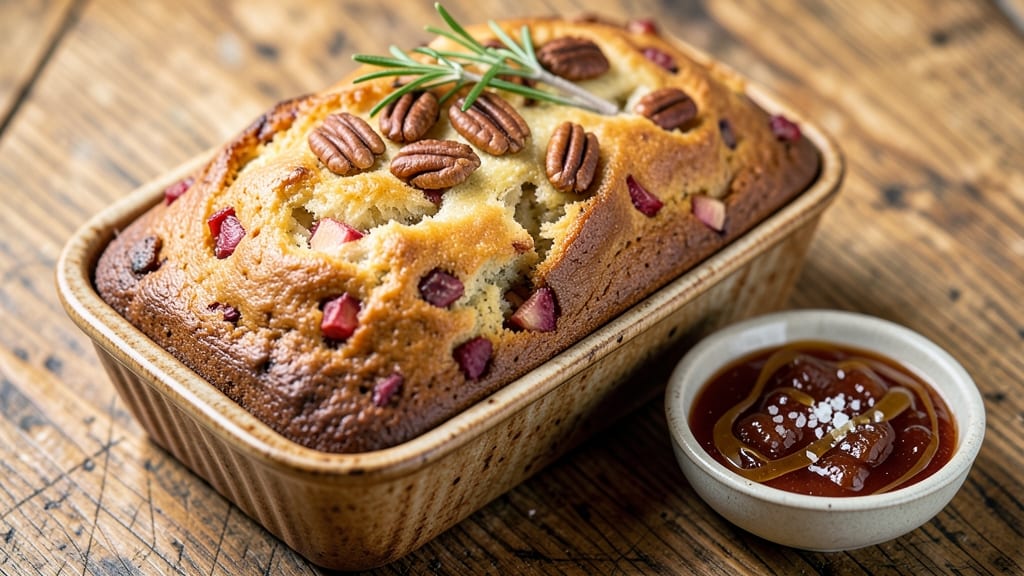
This awesome apple bread recipe transforms your kitchen into a cozy bakery with its perfect balance of tender crumb, caramelized apples, and warming spices. 🍏 The secret lies in a yeast-based dough that develops rich flavor as it rises, while the fruit swirls create pockets of sweet-tart goodness in every bite. I've perfected this recipe over years of baking—it's the kind of loaf that disappears faster than you can slice it.
The dough starts with a simple mix of flour, sugar, and yeast, but the magic happens when you fold in the apples—whether you prefer them finely chopped, caramelized, or even lightly pureed for extra moisture.
A blend of cinnamon, nutmeg, and allspice infuses the bread with autumnal warmth, while a touch of vanilla rounds out the flavors. The result is a loaf with a golden crust and a tender interior that's just dense enough to hold those juicy apple pieces.
Baking time is where the transformation happens—about 45 minutes in a 350°F oven until the crust is golden and the internal temperature reaches 190°F. The aroma alone will have everyone gathering around your table.
Serve it warm with a pat of butter or a drizzle of honey to let those caramelized apple flavors shine. This bread is perfect for breakfast, brunch, or even as a dessert with a cup of coffee.
For extra indulgence, consider adding chopped walnuts or pecans to the dough for crunch, or a swirl of cream cheese between layers for a richer texture. The possibilities are endless, but the foundation remains the same—simple, foolproof, and absolutely delicious. Let's get baking!
Ingredients for awesome apple bread
These 13 simple ingredients create a loaf so delicious it vanishes in minutes—warm spices and juicy apples in every bite!
| Ingredient | Amount | Notes |
|---|---|---|
| All-Purpose Flour 🌾 | 4 ½ cups | Sifted for light texture |
| Granulated Sugar 🍚 | ¾ cup | White or light brown |
| Active Dry Yeast 🍞 | 2 ¼ tsp | Fresh yeast, not expired |
| Warm Water 💧 | 1 ¼ cups | 110°F for yeast activation |
| Unsalted Butter 🧈 | ½ cup | Softened for easy mixing |
| Large Eggs 🥚 | 2 whole | Room temperature |
| Vanilla Extract 🍯 | 1 tbsp | Pure vanilla preferred |
| Ground Cinnamon 🌿 | 2 tsp | Freshly ground preferred |
| Ground Nutmeg 🌿 | ½ tsp | Freshly grated for warmth |
| Ground Allspice 🌶️ | ½ tsp | For depth of flavor |
| Salt 🧂 | ½ tsp | Kosher or sea salt |
| Apples 🍎 | 3 medium | Sweet-tart variety, peeled |
| Granulated Sugar (for apples) 🍚 | ¼ cup | For caramelizing apples |
The apples make or break this—Honeycrisp or Fuji are my go-tos, but any sweet-tart variety works. Peeled and finely chopped (or puréed for extra moisture), they need to be tender but not mushy. I always grab a few extra at Whole Foods or the farmers market in season—they've got the juiciest ones. For the spices, Penzeys or bulk bins at natural stores give the best flavor punch. The cinnamon and nutmeg are non-negotiable here—they're what makes this taste like autumn in a loaf. And trust me, freshly ground spices make all the difference!
No Honeycrisp? Gala or Pink Lady are solid backups—just toss them in a food processor with the sugar to caramelize slightly. Short on vanilla? Almond extract at half the amount works in a pinch. The yeast must be active dry—none of that quick-rise stuff. And if your butter feels too cold, microwave it for 20 seconds to soften. The dough will thank you. For the apples, toss them with lemon juice to prevent browning while you prep the rest. Pro move: save some of that apple juice to brush on the loaf before baking—it adds insane flavor!
This dough needs time to rise—at least 1 hour in a warm spot. I always cover it with a damp towel to keep it cozy. The apples can be prepped ahead and stored in the fridge for 2 days (tossed in lemon juice). The baked loaf keeps well for 3-4 days wrapped tightly, but it's best warm. Freeze slices for up to 3 months—just toast straight from frozen. And if you make a double batch? Freezer bags are your friend—portion and freeze for quick breakfasts all winter.
Why You'll Love This Recipe
- No-Fuss Dough: I swear by this recipe because it’s basically a loaf that forgives mistakes. Mix the flour, sugar, and yeast with warm water—no kneading, no waiting for fancy hydration tricks. The butter gets folded in last, and suddenly you’ve got that tender crumb without the fuss of a sourdough starter.
- Caramelized Apple Magic: That warm water activates the yeast and helps the diced apples soften just enough to get sticky, golden edges. No extra sugar syrup needed—the granulated sugar in the dough does the work, turning the bread into a spiced, slightly chewy hug with pockets of jammy fruit.
- Breakfast to Brunch: Serve it warm with butter for a lazy Sunday morning, or pack slices for lunch—it’s sturdy enough to hold up in a bag but still melts in your mouth. (Yes, even on a Tuesday night when you’re too tired to think.)
- Leftovers That Shine: This bread stays fresh for days, but the real win? It’s better the next day when the apples mellow into sweetness. Toast it for a quick snack, or slice it thin for sandwiches—no one will guess it’s been sitting around. Budget win, too: a loaf costs less than half a bakery buy.
Step-by-step instructions for warm spice apple bread
Here's how to create that perfect swirl of caramelized apples and spiced dough—every bite will be pure comfort!
👨🍳 Step 1: Activate the Yeast and Mix the Dough
In a small bowl, combine the 1.25 cups warm water (about 110°F) with the 0.75 cup granulated sugar and 2.25 tsp active dry yeast. Let it sit for 5-10 minutes until it becomes frothy—this tells you the yeast is alive and ready to work. If it doesn't bubble, your yeast might be expired.
In a large mixing bowl, whisk together the 4.5 cups all-purpose flour, 2 tsp ground cinnamon, 0.5 tsp ground nutmeg, 0.5 tsp ground allspice, and 0.5 tsp salt. Sift the flour mixture directly over the yeast mixture to avoid lumps. Add the 2 whole large eggs and 1 tbsp vanilla extract, then mix until combined.
👨🍳 Step 2: Knead and Prepare the Dough
Add the 0.5 cup softened unsalted butter to the bowl and knead the dough for 8-10 minutes by hand (or 5-6 minutes with a stand mixer) until it becomes smooth and elastic. You'll know it's ready when it springs back when poked and leaves a clean surface on your counter.
Place the dough in a lightly greased bowl, cover it with a damp towel, and let it rise in a warm place for 1-2 hours, or until it doubles in size. This resting time allows the gluten to relax and develops those airy pockets we want in our bread.
🍳 Step 3: Prepare the Apple Filling
While the dough rises, peel and core the 3 medium apples and cut them into ¼-inch thick slices. Toss the apple slices with the 0.25 cup granulated sugar (for apples) and let them sit for 10 minutes to begin caramelizing. This step is crucial for adding natural sweetness and preventing a soggy bread.
In a small bowl, mix 1 tbsp granulated sugar with 1 tsp ground cinnamon to create your apple filling seasoning. Sprinkle this mixture over the apples and toss gently to coat. Here's the thing—don't skip this step. The cinnamon-sugar combo transforms ordinary apples into something magical.
🥘 Step 4: Assemble and Shape the Bread
Once your dough has risen, punch it down to release the air, then roll it out on a floured surface into a 12x18-inch rectangle. Spread the apple filling evenly over half of the dough, leaving a 1-inch border along the edges. Fold the empty half over the apple-filled half to create a swirl pattern.
Roll the dough into a log shape, tucking the ends underneath. Place the log seam-side down in a greased 9x5-inch loaf pan. Cover with a towel and let it rise for another 30-45 minutes until it's puffy and reaches the top of the pan. This final rise ensures that beautiful, tall loaf shape we all love.
🔥 Step 5: Bake to Golden Perfection
Preheat your oven to 350°F. Bake the bread for 45-50 minutes until the top is deep golden brown and a toothpick inserted in the center comes out clean. Here's the moment that matters: tap the top of the bread gently—it should sound hollow, not dull.
Let the bread cool in the pan for 10 minutes before transferring it to a wire rack to cool completely. This resting time is crucial—it allows the bread to set properly and prevents it from falling apart when you slice it. Once cooled, slice and serve warm for that perfect apple bread experience!
Pro Tips For Making Awesome Apple Bread
- MEASURE YEAST PRECISELY: I learned this the hard way—using a "pinch" instead of weighing yeast ruins the rise. For this recipe, use a kitchen scale (3.5 grams) or level a teaspoon exactly (don’t scoop). Too much = bitter bread; too little = sad, flat loaves. Trust the numbers, even if it feels fussy.
- SOAK APPLES IN LEMON WATER: Toss your chopped apples in cold water with 1 tablespoon lemon juice (yes, even if the recipe doesn’t say it). This stops them from turning brown and keeps the bread’s flavor bright. Drain well before mixing—wet apples make gummy dough.
- LET DOUGH RISE UNTIL DOUBLED: I used to peek at 90 minutes and think, "It’s big enough!"—wrong. Wait until the dough hits the top of a greased bowl and springs back slowly when poked (about 1.5–2 hours). Cold kitchen? Give it extra time. Rushing = dense bread.
- USE COLD BUTTER FOR LAYERS: Cut that unsalted butter into the flour cold—like straight from the fridge. Warm butter melts into the dough, making it tough. Small cubes work better than softened lumps, and you’ll get those buttery, flaky layers you crave. (Skip the microwave.)
Wine and beer pairings for this dish
White Wine Pairings
A crisp Riesling from Germany or Alsace is my go-to choice for apple bread—its bright acidity and honeyed notes complement the caramelized apples beautifully. Look for a dry to off-dry style (like Dr. Loosen Blue Slate) to balance the bread's sweetness without overpowering it.
The slight mineral finish cuts through the richness of the butter and spices, making each bite feel fresh and balanced. 🍷
Red Wine Options
For those who prefer red, a Pinot Noir from Oregon or Burgundy offers a perfect match with its delicate fruit flavors and earthy undertones. Choose a light-bodied example (like Domaine Serene) to avoid overwhelming the bread's delicate spices.
The red fruit notes in the wine echo the apple's natural sweetness, while the wine's acidity keeps the experience lively and vibrant.
Beer Pairings
A Belgian witbier like Hoegaarden or Stella Artois is my favorite beer pairing—its citrusy coriander notes and effervescence cleanse your palate between bites. The bread's cinnamon and nutmeg flavors shine against the beer's subtle spice, while the bubbles help cut through the richness.
For a heartier option, try a light American lager like Miller Lite to highlight the apple's natural sweetness without competing.
Cider Complements
Don't overlook hard cider as a fantastic pairing! A dry, crisp cider (like Angry Orchard Dry) mirrors the apple flavors in the bread while adding its own complexity. The tannins in the cider help balance the bread's sweetness, creating a harmonious match.
For a sweeter option, try a semi-dry cider like Strongbow to enhance the caramelized apple notes with extra fruitiness.
Coffee Contrast
If you're serving apple bread for breakfast or dessert, a medium-roast coffee with low acidity (like Peet's Major Dickason's Blend) creates an unexpected but delightful contrast. The coffee's nutty, chocolatey notes complement the bread's spices, while the warmth of the drink enhances the apple's natural sweetness.
For an extra treat, drizzle a little maple syrup over the bread before serving.
Nutrition facts
Frequently asked questions
Can I substitute baking soda for yeast in this recipe?
You can make a quick version using 1.5 tsp baking soda and 1 tsp cream of tartar instead of yeast, but the texture will be denser and less airy. The baking time also drops to 30-35 minutes at 375°F. For best results, stick with the yeast version for that classic soft, pillowy crumb.
What's the best way to store leftover apple bread?
Wrap cooled slices tightly in plastic wrap or aluminum foil, then store at room temperature for 2-3 days. For longer storage, freeze slices in a sealed bag for up to 3 months. To reheat, wrap slices in foil and warm at 350°F for 5-7 minutes—this restores that fresh-baked aroma!
How do I fix dough that's too sticky?
If your dough feels too wet, add 1-2 tablespoons flour at a time until it becomes workable. Knead for an extra 2-3 minutes to develop the gluten properly. Over-kneading can make it tough, but under-kneading leads to a dense loaf. The dough should pull away from the bowl cleanly when ready.
Can I make this bread without a loaf pan?
Shape the dough into a free-form loaf or round and place it on a parchment-lined baking sheet. Bake for 35-40 minutes until golden. For extra crustiness, brush with melted butter before baking. Just be prepared for a shorter loaf—about 6-8 inches tall instead of the classic 9x5-inch shape.
Why did my bread turn out dense instead of light?
Dense bread usually means the yeast didn't activate properly (check water temperature—should be 110°F), or the dough didn't rise long enough. Also, overmixing after adding yeast can deflate the bubbles. Try letting the dough rise in a warm spot (like near the oven with the light on) for the full 1-2 hours.