
Desserts
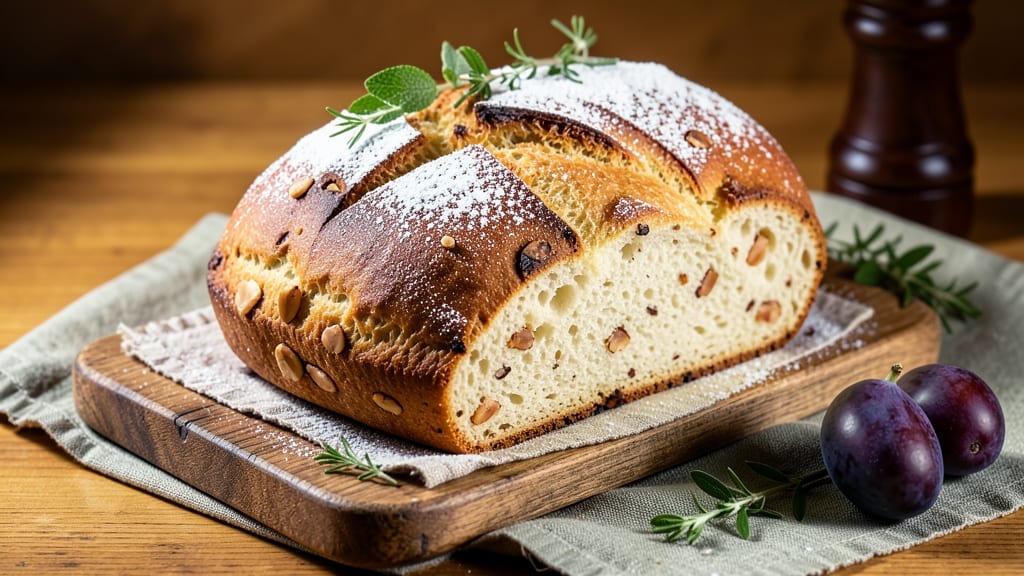
This Azorean sweet bread recipe brings the golden, rum-infused swirls of Bolo Lêvedo straight to your kitchen, where rich butter and warm spices create a crusty, tender masterpiece. 🌟 The secret lies in the layered dough technique—alternating sweet dough with a spiced butter filling—that transforms simple ingredients into something extraordinary.
Every bite delivers that perfect balance of crispy crust and melt-in-your-mouth softness, infused with just enough rum to transport you to the Azores.
The recipe starts with a tender dough made from flour, butter, eggs, and sugar, proofed to just the right consistency before being rolled and filled. The rum-infused butter swirls add depth and aroma, while traditional techniques like proper proofing and baking ensure a golden, crackly crust that’s impossible to resist.
This isn’t just dessert—it’s a celebration of Azorean heritage, brought to life in your own oven.
What makes this recipe special is its foolproof method, designed to deliver restaurant-quality results at home. The dough develops flavor as it proofs, while the butter filling stays rich and fragrant, creating those signature swirls that define Bolo Lêvedo.
With just a few key steps—layering, shaping, and baking—you’ll achieve a loaf that’s as impressive as it is delicious.
Perfect for holidays, special occasions, or simply satisfying a sweet tooth, this Azorean sweet bread is a showstopper. The aroma alone will have everyone gathered around the table, and the first bite will make it clear why this recipe is worth every moment of preparation.
Let’s get started on creating your own golden masterpiece.
Ingredients for azorean sweet bread
Sixteen ingredients transform into a golden Azorean masterpiece with rum-infused swirls and crispy crust.
| Ingredient | Amount | Notes |
|---|---|---|
| All-Purpose Flour 🌾 | 5 cups | Sifted for light texture |
| Unsalted Butter 🧈 | 1 ½ cups | Cold, cubed for filling |
| Large Eggs 🥚 | 4 whole | Room temperature for mixing |
| Granulated Sugar 🍚 | 1 ½ cups | Superfine preferred for smoothness |
| Active Dry Yeast 🍞 | 2 ¼ tsp | Or 1 packet instant yeast |
| Warm Milk 🥛 | 1 ¼ cups | 110°F for yeast activation |
| Rum 🍹 | ¼ cup | Dark rum, high quality |
| Ground Cinnamon 🌿 | 1 ½ tsp | Freshly ground preferred |
| Ground Nutmeg 🌿 | ½ tsp | Freshly grated nutmeg |
| Salt 🧂 | ½ tsp | Fine sea salt preferred |
| Vanilla Extract 🌸 | 1 tbsp | Pure vanilla for aroma |
| Powdered Sugar 🍚 | ½ cup | For final dusting |
The flour and butter are the foundation—King Arthur or Gold Medal flour gives the best texture, while European-style butter (like Plugrá) adds rich flavor. For the yeast, Fleischmann's RapidRise works if you're in a hurry, but active dry yeast develops deeper flavor. The rum matters here—Captain Morgan or Gosling's add authentic depth, but any dark rum will work. Look for freshly ground spices at Penzeys or the bulk section for maximum aroma. If you're in a pinch, pre-ground spices work, but toast them in a dry pan for 30 seconds to wake up the flavors.
No rum? Orange liqueur or brandy works in a pinch, though the flavor will differ slightly. Short on butter? Vegetable shortening keeps the texture similar (though less flavorful). For the dough, if you can't find superfine sugar, pulse regular granulated sugar in a food processor for a smoother texture. The vanilla extract should be pure—imitation vanillaequal parts cornstarch and sugar works for dusting, though it won't be as sweet. And if you're baking in a high-altitude area, reduce the yeast by 10% and increase flour by 2 tbsp to compensate for the thinner air.
Store the dough in the fridge for up to 24 hours before baking—this actually improves the flavor. Once baked, keep it wrapped at room temperature for 3 days or freeze for 3 months by wrapping tightly in plastic. For reheating, wrap in foil and warm in a 350°F oven for 10 minutes to restore that fresh-baked aroma. The bread is best enjoyed warm, so plan ahead—it reheats beautifully and tastes even better the next day as the flavors meld.
Why You'll Love This Recipe
- No-Knead Magic: I swear by this dough—just mix, let it rise, and forget it. The yeast does all the work while you sip coffee or watch a show. Honestly, I’ve made it wrong twice (overproofed, underproofed), but it still tasted like heaven.
- Butter-Sugar Bliss: That rich, caramelized crust? Pure gold. The butter and sugar create this irresistible contrast—soft, pillowy inside with a crispy, almost toffee-like edge. Between us, my kids fight over the last slice.
- Breakfast-to-Dessert Star: Serve it warm with jam for breakfast or dusted with powdered sugar for a treat. I’ve even used leftover slices as French toast—crispy, buttery, and foolproof. Works for lazy mornings or impromptu dessert cravings.
- Budget-Friendly Staple: Flour, butter, eggs—ingredients you already have. A single batch stretches for days: toast it, freeze it, or reheat slices in the oven. I’ll be real, it’s my go-to when grocery money’s tight but I still want something special.
Step-by-step instructions for Azorean sweet bread
Here's the method for creating that signature Azorean texture—rich, spiced, and perfectly golden.
👨🍳 Step 1: Activate the Yeast and Prepare the Dough Base
In a small bowl, combine the 1.25 cups warm milk (about 110°F) with 2.25 teaspoons active dry yeast and let it sit for 5-10 minutes until foamy. This step ensures your yeast is active and ready to work. The milk should smell slightly sweet and yeasty—not sour or flat.
In a large mixing bowl, whisk together the 5 cups all-purpose flour, 1.5 teaspoons ground cinnamon, 0.5 teaspoon ground nutmeg, 0.5 teaspoon salt, and 1.5 cups granulated sugar. Sift the flour first for a lighter texture, then mix in the dry ingredients until evenly combined. Create a well in the center and pour in the yeast-milk mixture along with the 4 whole eggs and 1 tablespoon vanilla extract.
👨🍳 Step 2: Mix and Knead the Dough
Using a wooden spoon or dough whisk, gradually mix the wet ingredients into the dry until a shaggy dough forms. Once combined, turn the dough onto a lightly floured surface and knead for 8-10 minutes until smooth and elastic. The dough should spring back when poked and feel slightly tacky but not sticky.
Real talk: If the dough feels too dry, add 1 tablespoon warm milk at a time until it comes together. If it's too sticky, add 1 tablespoon flour incrementally. Wrap the dough in plastic wrap and let it rest at room temperature for 1 hour to relax the gluten—this makes rolling and shaping easier later.
🥘 Step 3: Prepare the Rum Butter Filling
While the dough rests, prepare the filling by combining the 1.5 cups cold unsalted butter (cut into cubes) with the 0.25 cup rum in a small bowl. Mix gently until the butter is evenly coated with rum—this creates the signature Azorean flavor. Chill this mixture in the refrigerator until firm but still pliable.
Here's the thing—don't skip the chilling. Cold butter ensures clean swirls when you roll it into the dough later. If the butter melts too soon, the filling will ooze out during baking, making a mess instead of those beautiful golden swirls.
🍳 Step 4: Roll and Swirl the Dough
On a lightly floured surface, roll the rested dough into a 12x18-inch rectangle about ¼-inch thick. Spread the rum butter mixture evenly over the dough, leaving a ½-inch border around the edges. Starting from the long side, tightly roll the dough into a log, sealing the edge to prevent filling from escaping.
This is the moment that matters: Use a sharp knife to cut the log into 6 equal pieces (about 3 inches2 inches apart—they'll expand as they rise.
🔥 Step 5: Proof and Bake to Golden Perfection
Cover the baking sheet loosely with plastic wrap and let the dough proof in a warm place for 1-1.5 hours until puffy and nearly doubled in size. The edges should pull away from the baking sheet slightly, and a gentle poke should leave a slow but clear indentation.
Preheat your oven to 375°F. Brush the tops of the bread with a beaten egg (save the remaining egg for another use) and sprinkle generously with 0.5 cup powdered sugar for that signature Azorean crunch. Bake for 20-25 minutes until the tops are deep golden brown and the internal temperature reaches 190°F.
⏰ Step 6: Cool and Serve Warm
Remove the bread from the oven and let it cool on the baking sheet for 5 minutes before transferring to a wire rack. This brief rest prevents the bottoms from becoming soggy. Serve warm for the best texture—crispy on top, tender inside, with those rich rum-infused swirls peeking through.
For maximum flavor, dust with an extra pinch of powdered sugar right before serving. Store any leftovers in an airtight container at room temperature for up to 3 days, or freeze for longer storage. The aroma alone will have you reaching for seconds!
Pro Tips For Making Azorean Sweet Bread
- Warm the Butter First: Dump cold butter straight into warm milk or sugar? Bad idea. Melt the butter just until it’s soft but not greasy—about 10 seconds in the microwave—and fold it into the yeast mixture while still slightly firm. This keeps the dough from turning greasy and ensures the butter stays in little pockets for that signature tender crumb. (I learned this the hard way after a batch turned out greasy and dense.)
- Use Room-Temp Eggs: Cold eggs in warm dough = shock to the yeast. Let your eggs sit out for 30 minutes before cracking them into the mix. This keeps the yeast happy and active, so your dough rises smoothly instead of sluggishly. (Yes, even if you’re impatient like me—just don’t skip it.)
- Don’t Over-Knead the Dough: Azorean sweet bread needs gentle handling. Once the dough comes together, knead just until it’s smooth—about 5-7 minutes by hand. Over-kneading develops gluten too much, and the bread turns tough instead of soft and pillowy. (I used to go overboard, and the texture suffered.)
- Proof in a Warm Spot: Skip the oven for proofing—it’s not reliable. Instead, place your dough in a bowl over a pot of barely simmering water (like a makeshift steamer) for 1-2 hours. The steady, gentle heat mimics a warm kitchen and gives the yeast the perfect environment to do its job without overproofing. (This isn’t the prettiest method, but it works every time.)
Creative variations of azorean sweet bread
Classic Bolo Lêvedo
This is the traditional version you’ll find in Azorean bakeries—simple, rustic, and full of warm spice. The key here is using whole milk instead of warm milk for the yeast activation, which gives a slightly richer flavor.
Roll the dough into a 16x12-inch rectangle, spread the rum butter evenly, and roll tightly into a log. Cut into 8 equal pieces (instead of 6) for a more authentic presentation, and bake at 350°F for 25-30 minutes until the crust is deep golden and crackly. 🌟
Cinnamon-Orange Swirl
Add 1 tablespoon finely grated orange zest and 1 teaspoon extra cinnamon to the rum butter filling for a bright, citrusy twist. Use orange liqueur (like Cointreau) instead of rum for a lighter flavor profile.
Roll the dough into a log, slice into 6 pieces, and twist each piece slightly before proofing. The orange notes pair beautifully with the warm spices, creating a festive variation perfect for holidays. 🍊
Spiced Rum Glaze
After baking, brush the warm bread with a glaze made from ½ cup powdered sugar, 1 tablespoon spiced rum, and 1 teaspoon vanilla extract. This adds a glossy finish and intensifies the rum flavor.
For extra richness, add 1 teaspoon melted butter to the glaze. Serve immediately for the best texture—this glaze soaks into the crust just enough to keep it crisp while adding a sticky-sweet contrast. ✨
Almond-Studded Version
Fold ½ cup finely chopped toasted almonds into the dough before rolling it out. This adds a delightful crunch and nutty depth to each bite. Use amaretto instead of rum for the filling to complement the almonds, and sprinkle extra toasted almonds on top before baking.
The combination of almonds and rum creates a luxurious texture that feels like a dessert but tastes like a celebration. 🌰
Mini Bolo Lêvedo
For a fun, handheld version, divide the dough into 12 small balls (about 2 inches each) instead of 6. Roll each ball into an oval shape, then flatten slightly and press a ½-inch deep indentation in the center.
Fill each indentation with a small dollop of rum butter, then seal the edges. Proof and bake at 375°F for 15-18 minutes until golden. These mini loaves are perfect for parties or as a sweet snack. 🍰
Dairy-Free Adaptation
Replace the butter with 1.5 cups dairy-free margarine (like Earth Balance) and use almond milk instead of warm milk for the yeast activation. For the filling, mix 1.5 cups dairy-free butter with 0.25 cup rum and proceed as usual.
The texture will be slightly different but still delicious, and the rum flavor remains the star. This version works beautifully for guests with dairy allergies or vegan diets. 🌱
Nutrition facts
Frequently asked questions
Why does Azorean sweet bread need to rest before shaping?
The 1-hour rest after kneading relaxes the gluten, making the dough easier to roll and shape without tearing. This step also helps develop flavor as the yeast continues to work gently. Skipping it often results in dense, uneven loaves that don't rise properly.
Can I make this bread without rum?
Yes! Substitute the 0.25 cup rum with 0.25 cup orange liqueur (like Cointreau) or 0.25 cup brandy for a similar depth of flavor. For a non-alcoholic version, use 0.25 cup orange juice + 1 teaspoon vanilla extract—though the aroma will be milder. The butter filling will still taste rich and spiced.
How do I know when the dough is fully proofed?
Look for two key signs: the dough should double in size and the edges should pull away from the baking sheet slightly. Gently press your finger into the dough—if it leaves a slow but clear indentation (like pressing a cake), it's ready. Overproofing makes the bread collapse during baking, so don't wait past 1.5 hours.
Why did my bread turn out dense instead of light and fluffy?
Dense bread usually means one of three things: the yeast wasn't active (test it in warm water first), the dough didn't proof long enough, or the oven wasn't hot enough. Double-check your yeast by dissolving it in warm milk—it should foam within 5-10 minutes. Also ensure your oven reaches 375°F before baking for that signature crispy crust.
Can I make this bread ahead of time?
Shape the bread and refrigerate it overnight (up to 24 hours) for even better flavor. Let it proof at room temperature for 1 extra hour before baking. For longer storage, freeze the shaped (unproofed) dough in an airtight container for 3 months. Thaw in the fridge overnight before proofing and baking.