
Desserts
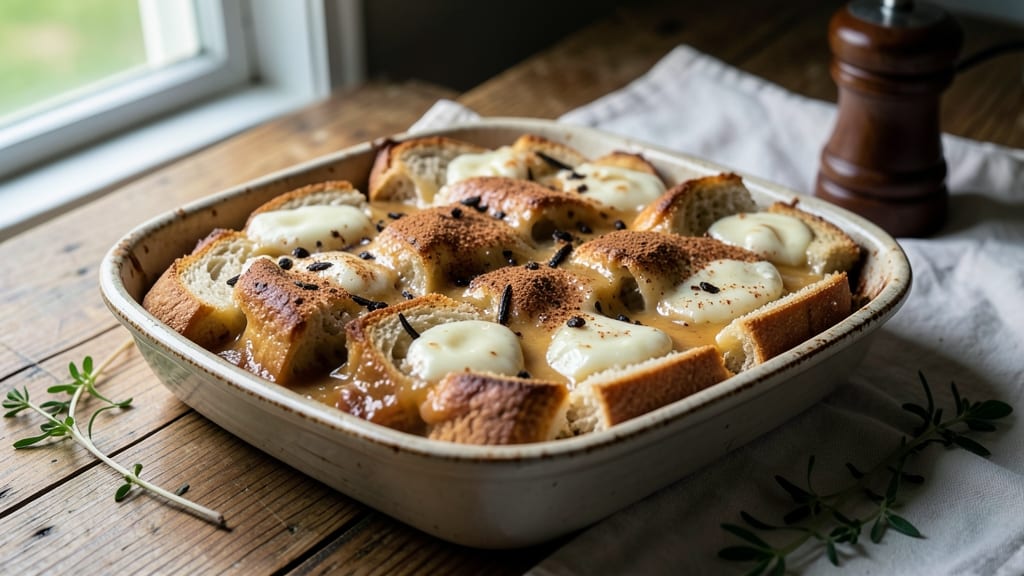
B Smith's bread pudding recipe delivers a perfect balance of creamy vanilla custard and crispy toasted bread that transforms simple ingredients into a showstopping dessert. 💛 The secret lies in toasting the bread cubes until golden—this creates that satisfying crunch while absorbing the rich custard mixture perfectly.
I've perfected this recipe over years of baking, ensuring every bite offers a harmonious blend of textures and flavors that make it irresistible.
The foundation of this bread pudding is a velvety custard made with eggs, milk, and vanilla, which soaks into the bread while baking to create a tender, moist center. A touch of cinnamon and nutmeg adds warmth, while a buttery topping ensures the edges stay golden and crispy.
What sets this recipe apart is the careful balance of these elements—no soggy bread here, just a perfect harmony of textures and flavors in every forkful.
By the time it emerges from the oven, you'll have a bread pudding that's rich, comforting, and impossible to resist—with a custard core that's smooth and creamy, contrasted by the satisfying crunch of toasted bread.
The aroma alone will have everyone gathering around the table, and the first bite delivers on that promise of pure indulgence. This dessert is elegant enough for special occasions but simple enough to make for a weeknight treat.
Serve warm with a scoop of vanilla ice cream or a drizzle of caramel sauce for an extra layer of decadence. The leftovers reheat beautifully, making it perfect for meal prep or sharing with guests. Here's how to create this classic dessert with a modern twist.
Ingredients for b smith bread pudding
Six ingredients transform simple bread into a showstopping vanilla custard dessert everyone will beg for seconds.
| Ingredient | Amount | Notes |
|---|---|---|
| Day-Old Bread Loaves 🍞 | 2 whole | French or sourdough preferred |
| Large Eggs 🥚 | 6 whole | Room temperature for best mixing |
| Whole Milk 🥛 | 3 cups | Full-fat for rich custard |
| Granulated Sugar 🍚 | 1 ½ cups | Light brown sugar for depth |
| Vanilla Extract 💛 | 2 tbsp | Pure, high-quality extract |
| Ground Cinnamon 🌿 | 2 tsp | Freshly ground preferred |
| Ground Nutmeg 🌶️ | ½ tsp | Freshly grated for warmth |
| Unsalted Butter 🧈 | ½ cup | Melted for topping |
| Pecans or Walnuts 🥜 | ½ cup | Chopped for crunch topping |
| Salt 🧂 | ½ tsp | Kosher or sea salt |
| Powdered Sugar 🍚 | ¼ cup | For final dusting |
| Heavy Cream 🥛 | ½ cup | Optional for extra richness |
The bread is non-negotiable here. Day-old French or sourdough works best—it's sturdy enough to hold up to the custard without turning mushy. Costco or Trader Joe's always have great loaves, or check the bakery section at Whole Foods if you want something fancier. Avoid anything too sweet or heavily seeded (like whole wheat)—you want neutral flavor so the custard shines. Toast the cubes until golden brown (that's where the magic happens), then let them cool completely before mixing. Pro tip: if you're short on time, toast the bread while you preheat the oven—it saves steps and keeps the kitchen cooler.
No vanilla extract? Vanilla bean paste or even vanilla sugar works in a pinch, though pure extract is ideal. The milk can be swapped for half-and-half or evaporated milk if you want extra richness, but full-fat milk gives the best balance. For the nuts, pecans or walnuts are classic, but almonds or hazelnuts add a nice twist. If you're avoiding dairy, coconut milk or almond milk keeps it vegan-friendly (just omit the butter topping). The sugar can be swapped for maple syrup or honey if you prefer, though granulated gives the best texture. And if you're feeling fancy, add a splash of bourbon or rum to the custard mixture—trust me, it's worth it.
This bread pudding is best served fresh from the oven, but leftovers reheat beautifully. Store in an airtight container for up to 3 days—reheat in a 350°F oven for 15 minutes with a splash of milk to revive the custard. For make-ahead magic, assemble the pudding the night before and bake in the morning—it actually tastes better after resting. The topping stays crisp for about 2 hours after baking, so serve it promptly if you want that perfect crunch. And if you're making this for a crowd, double the recipe—it disappears faster than you can say 'seconds, please!'
Why You'll Love This Recipe
- No Stale Ingredients Needed: I swear by this trick—toss in those day-old loaves you’d otherwise toss. The crust gets just soft enough to soak up that rich egg-milk custard while keeping a subtle chew. Honestly, it’s my go-to for using up bread that’s seen better days.
- Vanilla-Sugar Caramel Core: That simple sugar and vanilla combo isn’t just flavor—it’s magic. The custard turns into this golden, slightly caramelized center that’s dangerously easy to over-scoop. (Yes, I’ve ruined my first attempt by eating it straight from the pan.)
- Weeknight to Dinner Party: Same recipe, different vibes. Whip it up in a skillet for a lazy Sunday breakfast, or bake it in a cast-iron for company—just add a sprinkle of cinnamon or a drizzle of bourbon for fanciness. My college friends called it “dessert for breakfast,” and I never corrected them.
Step-by-step instructions for B Smith's bread pudding
Here's how to create that perfect vanilla custard core with a toasted bread crunch—just like B Smith's famous version.
👨🍳 Step 1: Prep the Bread for Maximum Crunch
Start by tearing the 2 whole day-old bread loaves into 1-inch thick chunks. I like to use my hands for this—it gives you better control over the size. The bread should be completely dry, so if it feels damp at all, pop it in a 350°F oven for 5-10 minutes until it's crispy to the touch. This step is crucial for that signature crunch.
While the bread is drying, melt the 0.5 cup unsalted butter in a small saucepan over low heat. Once melted, remove from heat and let it cool slightly—you don't want it to cook the eggs later. The butter will add richness that carries through every bite of your bread pudding.
🥘 Step 2: Mix the Custard Base to Perfection
In a large mixing bowl, whisk together the 6 whole large eggs (room temperature is key here—they'll mix better). Add the 3 cups whole milk, 1.5 cups granulated sugar, 2 tbsp vanilla extract, 2 tsp ground cinnamon, 0.5 tsp ground nutmeg, and 0.5 tsp salt. Whisk until everything is completely combined and the sugar has dissolved—no grainy bits left!
This is where the magic happens. The eggs and milk create a silky custard that soaks into the bread perfectly. I like to give it a quick taste at this point—it should be sweet, spiced, and just slightly tangy from the milk. If you're using the 0.5 cup heavy cream, add it now and whisk again to incorporate.
🍳 Step 3: Combine Bread and Custard for Even Soaking
Add the toasted bread chunks to the custard mixture and gently fold everything together with a rubber spatula. You want the bread to be evenly coated but not smashed—each piece should still hold its shape. This ensures every bite has that perfect balance of custard and toasted bread.
Here's the thing—don't overmix. Just enough to distribute the custard evenly. If you see dry bread spots, that's okay; they'll soak up custard while baking. Transfer the mixture to a greased 9x13-inch baking dish and spread it out evenly. The top should look rustic with bread chunks peeking through.
🔥 Step 4: Bake Until Golden and Set
Preheat your oven to 350°F. Bake the bread pudding for 45-50 minutes until the top is golden brown and the edges are set. You'll know it's done when the center still jiggles slightly (like a wobbly gelatin), but it's firm to the touch. Poking with a knife should come out clean—no raw egg.
I like to tent the baking dish with foil for the last 10 minutes of baking if the top is browning too quickly. This helps prevent over-browning while still ensuring the center cooks through. The pudding should have a custardy center that's just set—not firm like a cake.
🍽️ Step 5: Toast the Top and Finish with Crunch
Once baked, increase your oven temperature to broil. Sprinkle the 0.5 cup chopped pecans or walnuts evenly over the top of the pudding. Broil for 2-3 minutes until the nuts are golden and toasted—watch them closely so they don't burn. This adds that perfect crunchy contrast to the creamy custard.
Let the bread pudding cool for 10 minutes before serving. Dust the top with 0.25 cup powdered sugar just before serving—this adds a sweet, snowy finish that ties everything together. The custard should be rich, the bread should be tender but still hold its shape, and the nuts should be perfectly toasted. Serve warm with a scoop of vanilla ice cream for the ultimate experience!
Pro Tips For Making B Smith Bread Pudding
- CUT BREAD SMALLER THAN YOU THINK: I learned this the hard way—big chunks of bread stay undercooked inside while the edges burn. Aim for ½-inch cubes max (yes, even if it takes 10 minutes to chop). The pudding will feel lighter and soak up the custard evenly. Trust me, your future self will notice the difference.
- WHISK EGGS UNTIL THICK: The custard’s texture depends on this step. Whisk the eggs and milk until the mixture is smooth and slightly thickened—about 2–3 minutes. This prevents a watery pudding and ensures that creamy, set-in-the-middle bite. (I used to skip this, and the result was always sad.)
- DON’T SKIP THE SOAK: Toss the bread cubes in the egg-milk mixture right away and let them sit for 5 minutes before baking. This guarantees the bread absorbs the custard fully, so you’re not left with dry pockets. Pro move: Use a large bowl—crowding makes the bread soggy before it even hits the oven.
- BAKE AT 325°F, NOT HIGHER: After burning three batches at 375°F, I finally realized: 325°F is the sweet spot for this recipe. It gives the custard time to set without turning the top to leather. If you’re impatient, cover loosely with foil for the first 20 minutes, then uncover to brown. (Your oven’s hot spots will thank you.)
Dietary considerations for these flavors
Gluten-Free Adaptation
For a gluten-free version, use gluten-free bread like Schar Artisan or Canyon Bakehouse—they hold up well to custard soaking. Toast the cubes thoroughly to prevent crumbling. Replace regular flour in any optional breadcrumbs with Bob's Red Mill 1:1 Gluten-Free Flour Blend if needed.
The custard base remains unchanged, but check that your bread contains no cross-contamination warnings if strict gluten avoidance is necessary. 🌱
Dairy-Free Options
Swap whole milk for unsweetened almond or coconut milk (full-fat for best texture), and use dairy-free butter like Miyoko's. Omit the heavy cream topping or replace it with coconut cream.
For the nut topping, toast pecans or walnuts as-is—they're naturally dairy-free. The custard will still be rich, though slightly lighter than the traditional version.
Lower-Sugar Versions
Reduce granulated sugar to 1 cup and add ½ cup unsweetened applesauce to maintain moisture. Or use monk fruit sweetener (like Lakanto) at a 1:1 ratio—it caramelizes beautifully. For a naturally sweetened option, replace ½ cup sugar with mashed ripe bananas (about 1 medium banana).
The custard will still be sweet enough but with fewer refined carbs.
Nut-Free Crunch
Replace pecans/walnuts with toasted coconut flakes or pumpkin seeds for a safe alternative. For extra crunch, sprinkle crushed gluten-free pretzels (like Snyder's) on top before broiling. If allergies are severe, omit the topping entirely—the bread's natural crunch from proper toasting will still shine through.
Vegan Makeover
Use flax eggs (3 tbsp ground flaxseed + 9 tbsp water per egg) and coconut milk for the custard. Add 1 tsp cornstarch to thicken. For the bread, choose gluten-free vegan bread (like Davidsons) and toast thoroughly.
The texture will be slightly denser but still delicious with a maple syrup drizzle instead of powdered sugar. 💛
Nutrition facts
Frequently asked questions
Why does the bread need to be day-old?
Day-old bread is drier and holds its shape better than fresh bread, preventing a mushy texture in your custard dessert. The slight staleness helps absorb the custard mixture perfectly while maintaining that satisfying crunch. Fresh bread would turn soggy and ruin the texture balance.
Can I use any type of bread?
While you can use most breads, French or sourdough work best—their sturdy texture holds up to the custard without falling apart. Avoid overly sweet or heavily seeded breads like whole wheat, as they can overpower the vanilla custard. For extra flavor, try brioche or challah if you want a richer version.
How do I fix if my bread pudding is too runny?
If your pudding is too thin, it likely didn't bake long enough. Return it to the oven for 10-15 more minutes at 350°F until set but still slightly jiggly. For prevention, make sure your custard mixture is fully combined and the bread is evenly coated—this helps thicken during baking.
What's the best way to reheat leftovers?
Reheat in a 350°F oven for 15 minutes with a splash of milk to revive the custard texture. Avoid microwaving—it makes the bread rubbery. For extra crispiness, broil for 2-3 minutes after reheating. Leftovers keep well in an airtight container for up to 3 days.
Can I make this bread pudding ahead of time?
Assemble the pudding the night before and refrigerate uncovered for 4-6 hours to let flavors meld. Bake in the morning—it actually tastes better after resting. For make-ahead baking, cover and refrigerate for up to 24 hours before baking. The custard will be even richer after chilling.