
Side Dishes
Baking a 50-grain rye sourdough bread transforms your kitchen into a bakery—deeply fermented, nutty, and packed with complex flavor. This recipe delivers a 50% rye flour blend that creates a dense yet airy crumb with a crisp, caramelized crust, all from a deeply fermented dough that develops naturally over time.
The secret lies in balancing long fermentation with precise hydration, ensuring every slice has that signature tang and chew. What sets this bread apart is the two-stage fermentation: an overnight autolyse for gluten development, followed by a 12-16 hour bulk ferment that builds flavor and texture.
The dough includes a mix of whole-grain rye and white flour for structure, while seeds and nuts add crunch and depth. Shaping and scoring require patience—folding the dough carefully and scoring deeply ensures an even rise and that signature bakery look.
By the time it emerges from the oven, you’ll have a loaf with a golden, blistered crust and a crumb so tender it nearly melts in your mouth. The rye flavor shines through without overpowering, making it perfect for sandwiches, toast, or serving alongside soups.
This isn’t just bread—it’s a centerpiece that elevates any meal. For those new to sourdough, don’t worry—this method includes troubleshooting tips for common issues like dense texture or excessive sourness. Let’s get started on crafting your own bakery-quality loaf.
Ingredients for 50 rye sourdough bread
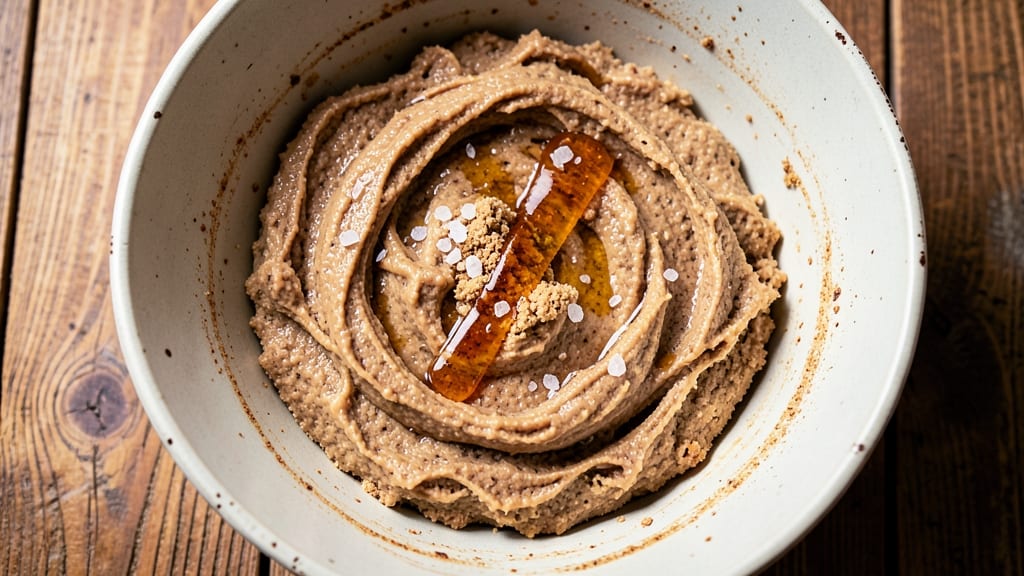
The heart of this 50-grain rye sourdough lies in its fermented complexity and nutty swirls.
| Ingredient | Amount | Notes |
|---|---|---|
| Active Sourdough Starter 🍞 | ½ cup | Fed and bubbly, 100% hydration |
| Whole-Grain Rye Flour 🌾 | 2 cups | Dark rye for deep flavor |
| Bread Flour 🌾 | 2 cups | High-protein for structure |
| Water 💧 | 2 ½ cups | Room temperature, 70°F |
| Honey 🍯 | 1 tbsp | Wildflower preferred |
| Sea Salt 🧂 | 1 ½ tsp | Fine grain preferred |
| Sunflower Seeds 🥜 | ¼ cup | Toasted for crunch |
| Flaxseeds 🌿 | ¼ cup | Ground for nuttiness |
| Sesame Seeds 🌿 | ¼ cup | Toasted for aroma |
| Olive Oil 🫒 | 2 tbsp | Extra-virgin for richness |
| Instant Yeast 🍞 | ¼ tsp | Optional for extra lift |
| Almonds 🥜 | ¼ cup | Chopped for texture |
| Poppy Seeds 🌿 | 1 tbsp | For extra crunch |
The rye flour is non-negotiable here—King Arthur or Bob’s Red Mill deliver the deepest flavor. Grab whole-grain rye for that signature tang, but if you’re in a pinch, dark rye works too. For seeds, Trader Joe’s has the best bulk bins—sunflower, flax, and sesame all toast beautifully in a dry pan for 3-4 minutes until fragrant. The sourdough starter needs to be lively; if it’s sluggish, feed it 1:1:1 (starter:flour:water) twice before using. Honey adds just enough sweetness to balance the rye’s sharpness—Manuka or wildflower if you want to splurge, but regular works fine.
No whole-grain rye? Substitute dark rye at a 1:1 ratio, but expect a slightly lighter crumb. Bread flour can swap for all-purpose, though the texture will be less open. Seeds running low? Swap any combo—pumpkin seeds or walnuts add richness, while chia or hemp seeds boost omega-3s. Instant yeast isn’t required, but if you’re short on fermentation time, it helps with rise. Olive oil matters—California Avocado Ranch or Colavita add fruity depth, while cheaper brands can taste flat. Toast your seeds in a 350°F oven for 8 minutes if you’re impatient for that nutty aroma.
This dough is a two-day project, but it keeps beautifully. Store the autolyse-stage dough in the fridge for up to 24 hours if life gets busy—just let it warm to room temp before continuing. Baked loaves stay fresh 3-4 days wrapped in a beeswax wrap or bread bag, but they’re best within 2 days. For longer storage, slice and freeze—toast straight from frozen for crispy results. Scoring tip: Use a razor blade for clean cuts, and dust with flour before baking to prevent sticking. The crust’s caramelization peaks at 450°F for 20 minutes, so don’t rush it.
Why You'll Love This Recipe
- No-Knead Magic: I swear by the no-knead method here—just mix, let it rise, and bake. The rye flour handles all the heavy lifting while I sip coffee and scroll through my phone.
- Honey-Rye Crunch: That touch of honey caramelizes into a golden crust while the whole-grain rye adds deep, nutty warmth. It’s the kind of bread that makes toast taste like a treat, even when you’re just slathering it with butter.
- Weeknight Workhorse: Between us, this is my go-to for sandwiches, open-faced breakfasts, or even a quick charcuterie board. The sourdough starter does the fermenting, so I don’t have to stress—just slice and serve.
- Budget-Friendly Staple: Rye flour is cheaper than most specialty grains, and a single batch feeds my family for days. Honestly, I’ve had this loaf last me a full week, and it only gets better as it stales slightly.
Step-by-step instructions for 50-Grain rye sourdough bread
Here's how to craft a deeply fermented loaf with nutty swirls and a perfect crust.
Mix the Sourdough Dough to Ideal Consistency
In a large mixing bowl, combine the 0.5 cup active sourdough starter, 2 cups whole-grain rye flour, and 2 cups bread flour. Add the 2.5 cups room-temperature water and 1 tbsp honey, then whisk until no dry spots remain. This initial mix should resemble thick pancake batter—slightly sticky but workable.
Next, incorporate the 1.5 tsp sea salt, 2 tbsp olive oil, and 0.25 tsp instant yeast. Stir vigorously for 3-4 minutes until the dough becomes smooth and elastic. The olive oil helps create a tender crumb, while the instant yeast ensures consistent rise. If the dough feels too stiff, add 1 tablespoon water at a time until it reaches a soft, slightly tacky consistency—similar to wet playdough.
Develop Gluten Through Autolyse and Kneading
Cover the bowl with a damp towel and let the dough rest for 30 minutes. This autolyse step allows the flour to hydrate fully and develops early gluten structure. After resting, perform a series of stretch-and-folds every 30 minutes for 2 hours. Wet your hands with water and gently stretch one side of the dough upward, then fold it over itself. Rotate the bowl and repeat—this builds strength without overworking the dough.
For the final kneading, turn the dough onto a lightly floured surface and knead for 8-10 minutes until smooth and elastic. The dough should spring back slowly when poked. If it feels too sticky, add 1 tablespoon bread flour at a time. Once properly developed, shape the dough into a loose ball, place it back in the bowl, cover, and let it ferment at 70°F for 4-6 hours or until it has nearly doubled in size.
Prepare the Nutty Seed Swirl Dough
In a separate small bowl, combine the 0.25 cup sunflower seeds, 0.25 cup ground flaxseeds, 0.25 cup sesame seeds, 0.25 cup chopped almonds, and 1 tbsp poppy seeds. Mix well to distribute the seeds evenly. This mixture will create the signature nutty swirls throughout the bread.
Once your main dough has fermented, turn it onto a lightly floured surface and gently flatten it into a 12-inch circle. Sprinkle half of the seed mixture evenly over the dough, then roll it up tightly like a jelly roll. Seal the seam by pinching the edges firmly. The seed filling should be evenly distributed—this ensures every slice has those delightful crunchy pockets.
Shape and Final Proof for Maximum Flavor
Shape the rolled dough into a boule by tucking the ends underneath and rounding it into a tight ball. Place it seam-side down in a well-floured banneton or bowl, cover with a damp towel, and let it proof at 70°F for 2-4 hours until it has risen 50-75% and springs back slowly when poked. The longer the proof, the more complex the flavor—aim for at least 3 hours for optimal tang.
Preheat your oven to 450°F with a Dutch oven inside for 45 minutes. Once heated, carefully transfer the dough (still in the banneton) to a parchment-lined baking sheet. Score the top with a sharp razor in a crosshatch pattern, then invert the dough into the hot Dutch oven. Bake covered for 20 minutes, then uncover and bake for an additional 20-25 minutes until the crust is deep golden brown and the internal temperature reaches 205°F.
Cool and Enjoy the Deeply Fermented Loaf
Remove the bread from the oven and transfer it to a wire rack to cool completely for at least 2 hours. This resting period allows the crumb to set and prevents a gummy texture. The bread will continue to develop flavor as it cools—this is when the magic happens.
Slice the loaf into ½-inch thick pieces and serve while still slightly warm. Each bite should deliver a perfect balance of tangy sourdough, nutty crunch from the seed swirls, and a crisp yet tender crust. Store any leftovers in an airtight container at room temperature for up to 3 days or freeze for longer storage. The flavor only improves over time!
Pro Tips For Making 50 Rye Sourdough Bread
- Autolyse First: Mix the bread flour and water (about 300g each) before adding the rye or starter—let it sit 30-60 minutes. This relaxes the gluten, making the dense rye dough easier to handle later. I used to skip it, and the dough fought me every step.
- Weigh Your Rye: Rye flour packs differently than bread flour—use a kitchen scale for accuracy. Spooning and leveling? You’ll end up with a dry, crumbly loaf. My first batch turned out like a brick because I eyeballed it.
- Steam the Oven: Place a metal tray on the oven rack before preheating, then add 1 cup boiling water when loading the loaf. The steam fights the rye’s tendency to bake too dark too fast. No tray? A bowl of boiling water on the lower rack works—just don’t forget it.
- Honey Timing: Add the honey after the bulk ferment, not at the start—it’ll slow down the yeast if it’s in there too early. A splash (2-3 tablespoons) in the final dough just before shaping gives sweetness without gumming up the fermentation. I learned this after a batch tasted cloyingly sugary.
Flavor customization for 50 rye sourdough bread
Sweet Swirl Variations
For a breakfast-friendly twist, replace half the seed mixture with 1 cup chopped dried figs or ½ cup honeyed walnuts (toss ½ cup walnuts with 1 tbsp honey and ½ tsp cinnamon before baking). The natural sweetness balances the rye’s tang beautifully—perfect for toast with butter or jam.
I’ve also tried adding 1 tbsp orange zest to the dough for a bright citrus note that pairs wonderfully with savory toppings like smoked salmon. 🍯
Herb-Infused Crust
Boost the crust’s complexity by mixing 1 tbsp dried rosemary or 1 tbsp thyme leaves directly into the dough before shaping. The herbs add an earthy aroma that complements the seeds, especially when baked.
For a Mediterranean touch, sprinkle 1 tbsp crushed fennel seeds over the dough before scoring—it adds a subtle licorice-like depth. Fresh herbs like chopped dill or parsley can also be pressed into the scored crust for a pop of color and freshness.
Spiced Rye Twist
Warm up your loaf with 1 tsp ground cardamom or ½ tsp smoked paprika mixed into the dough. Cardamom adds a floral, slightly sweet warmth that pairs perfectly with the nuttiness, while smoked paprika introduces a subtle smokiness ideal for sandwiches.
For a bolder kick, add ½ tsp cayenne pepper—just enough to give the rye a gentle heat without overpowering. These spices work especially well when paired with the sunflower seeds, creating a harmonious blend of flavors. 🌶️
Whole-Grain Boost
Swap out ½ cup of the bread flour for ½ cup whole wheat flour or ½ cup spelt flour to deepen the bread’s nutty, hearty profile. These flours add extra fiber and a denser texture, making the loaf even more satisfying.
For a seed-heavy variation, increase the seed mixture to ½ cup total and reduce the almonds to ¼ cup—this keeps the crunch while adding more variety. The extra fiber also helps with digestion, making it a great choice for a hearty breakfast or lunch.
Cheese-Enhanced Swirl
Take your bread to the next level by adding ½ cup shredded sharp cheddar or ½ cup crumbled goat cheese to the seed mixture. The cheese melts slightly during baking, creating pockets of creamy goodness that contrast beautifully with the crunchy seeds.
For a vegetarian-friendly option, use ½ cup nutritional yeast—it adds a cheesy, umami depth without dairy. This variation is especially delicious when served with soups or as a base for open-faced sandwiches. 🧀
Seasonal Seed Swaps
Adjust the seed mixture based on what’s fresh and available. In summer, swap sesame seeds for ½ cup toasted pumpkin seeds and add 1 tbsp chopped fresh basil for a harvest-inspired twist. In winter, use ½ cup chopped pecans and 1 tsp cinnamon for a cozy, spiced loaf.
For a festive touch during the holidays, add ½ cup dried cranberries to the seed mix—sweet, tart, and perfect for holiday gatherings. These seasonal variations keep the bread exciting year-round! 🎄
Nutrition facts
Frequently asked questions
Why does this recipe use a 50% rye blend instead of 100% rye flour?
Pure rye flour can make bread dense and crumbly due to its low gluten content. The 50% blend here balances rye's deep flavor with bread flour's structure, creating a lighter yet hearty loaf. This ratio also improves oven spring and prevents a heavy texture that's common with all-rye breads.
How do I know when my sourdough starter is ready for this recipe?
Your starter should be bubbly, doubled in size, and smell slightly tangy within 4-6 hours after feeding. If it's sluggish, feed it 1:1:1 (starter:flour:water) twice before using. For best results, use starter that's 100% hydration—this means equal parts starter and water by weight.
Can I make this bread without a Dutch oven?
Yes! If you don't have a Dutch oven, bake the loaf on a baking sheet lined with parchment paper. For better steam, place the sheet on the bottom rack and pour 1 cup hot water into a tray on the middle rack during the first 10 minutes of baking. This mimics the steam from a Dutch oven.
What's the best way to store this bread to keep it fresh?
Wrap the cooled loaf tightly in beeswax wrap or place it in an airtight container. Store at room temperature for 3-4 days or freeze sliced bread for up to 3 months. For extra freshness, toast slices straight from the freezer—they'll crisp up beautifully.
Why did my bread turn out too sour?
Excessive sourness usually means over-fermentation. Try reducing bulk fermentation time to 8-10 hours max, or use slightly less starter (0.3 cups instead of 0.5 cups). Also ensure your kitchen stays at 70-75°F—warmer temps speed up fermentation and can make the flavor too sharp.