
Side Dishes
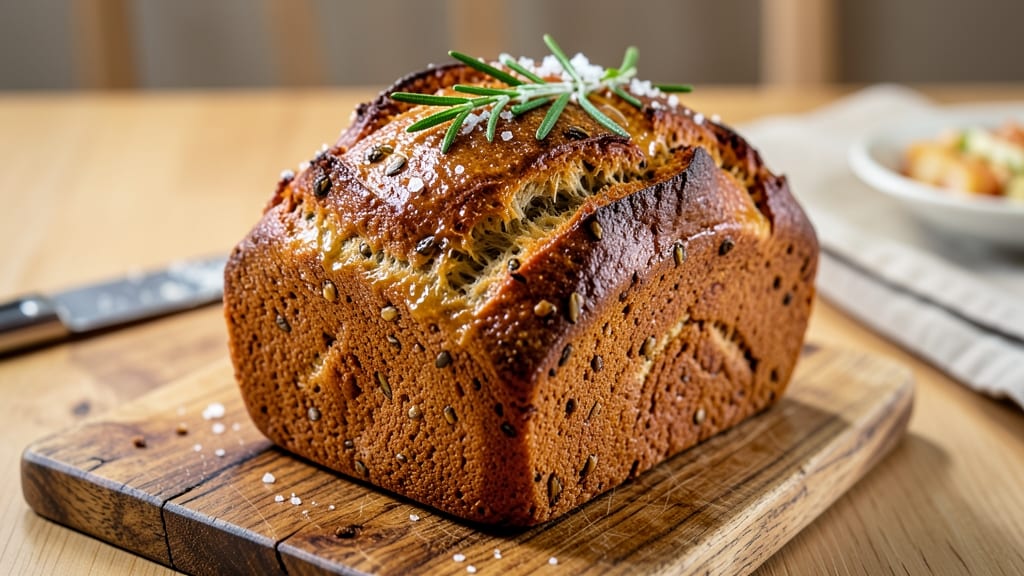
Mastering a 50 whole wheat bread machine recipe transforms your kitchen into a bakery—no yeast math or kneading required. 🌟 The secret lies in balancing hydration and mixing time, creating a loaf with nutty-sweet swirls and a crusty gold crunch that rivals artisanal bread.
This recipe leverages your bread machine's precision to deliver consistent results every time, whether you're a beginner or a seasoned baker refining your technique.
The magic happens in the dough stage: combining whole wheat flour with a touch of honey and cinnamon enhances natural sweetness while preventing dryness. A longer kneading cycle (typically 2-3 hours) develops gluten properly, ensuring a light, airy crumb.
The bread machine handles all the heavy lifting—mixing, kneading, and baking—while you focus on achieving that perfect crust by brushing with water or milk during the final minutes.
What you'll end up with is a golden-brown loaf with a crisp exterior and soft, slightly dense interior—ideal for sandwiches, toast, or serving with soups. The nutty flavor of whole wheat pairs beautifully with the subtle sweetness, making this bread versatile for any meal.
This recipe is designed to work with most bread machine models, with adjustments for specific settings in the instructions.
Perfect for meal prep or gifting, this whole wheat loaf keeps well for 3-4 days at room temperature or can be frozen for up to 3 months.
The troubleshooting section covers common issues like dense crumb or pale crust, ensuring you'll achieve bakery-quality results with confidence. Let's get started on your first perfect loaf!
Ingredients for 50 whole wheat bread machine
Transform your bread machine into a bakery with these 13 ingredients—nutty, sweet, and perfectly crusty.
| Ingredient | Amount | Notes |
|---|---|---|
| Whole Wheat Flour 🌾 | 3 cups | Unbleached preferred for better texture |
| All-Purpose Flour 🌾 | 1 cup | Balances whole wheat density |
| Honey 🍯 | ¼ cup | Wildflower for subtle floral notes |
| Granulated Sugar 🍚 | ¼ cup | Light brown sugar for depth |
| Active Dry Yeast 🍞 | ¾ tsp | Ensure package is fresh |
| Warm Water 💧 | 1 ¼ cups | 110°F for ideal yeast activation |
| Unsalted Butter 🧈 | ¼ cup | Softened for even mixing |
| Ground Cinnamon 🌿 | 1 tsp | Freshly ground for warmth |
| Salt 🧂 | 1 tsp | Diamond Crystal preferred |
| Milk 🥛 | ¼ cup | Whole milk for richer crust |
| Egg 🥚 | 1 whole | Room temperature for smooth dough |
| Poppy Seeds 🌱 | 1 tbsp | Optional for nutty crunch |
| Sesame Seeds 🌱 | 1 tbsp | Optional for toasty flavor |
The whole wheat flour is the star here—King Arthur or Bob's Red Mill brands deliver the best texture. If you're new to whole wheat baking, mix half whole wheat and half all-purpose for a lighter loaf. For the honey, local wildflower adds subtle floral notes that pair beautifully with cinnamon. The yeast needs to be fresh, so check the package date—if it's over 3 months old, toss it. Butter should be softened but not melted, and milk should be room temperature for even mixing. Pro tip: Warm the water to 110°F—too hot kills the yeast, too cold slows activation.
No honey? Maple syrup works too, though it has a stronger flavor. Short on poppy seeds? Sesame seeds or sunflower seeds are great swaps. The cinnamon is non-negotiable—it's what gives this bread that signature warmth. If you're using a bread machine for the first time, read your manual for specific settings—most require a 2-3 hour kneading cycle. For a richer crust, brush the baked loaf with melted butter mixed with a pinch of cinnamon while still warm. And if your dough feels too sticky, add 1 tbsp more flour gradually until it pulls away from the sides.
This loaf keeps beautifully—3-4 days at room temperature wrapped in a clean kitchen towel, or up to 3 months frozen. To reheat, wrap in foil and warm in a 350°F oven for 10 minutes. For the perfect crust, brush with water or milk in the final 5 minutes of baking. If your bread turns out dense, reduce the whole wheat flour by 1/4 cup next time. And save those leftover seeds—toss them into oatmeal or yogurt for extra crunch!
Why You'll Love This Recipe
- No-Knead Magic: The bread machine does all the hard work—just dump in the flour blend (that whole wheat and all-purpose combo gives it perfect texture), add honey and yeast, and hit start. I’ve made this while scrolling through emails, watching a movie, or pretending to be productive.
- Sweet & Nutty Crunch: That honey isn’t just for flavor—it keeps the crust golden and adds a subtle sweetness that balances the earthy whole wheat. Honestly, the first slice out of the machine smells like a bakery, and the crumb? Light enough to fool anyone into thinking it’s white bread.
- Weeknight Workhorse: Toss a loaf in the freezer for quick toast or sandwiches when you’re running late. It’s my go-to for lunchboxes (kids actually eat it) or a last-minute charcuterie board. Between us, this is the bread that saves my grocery budget and my sanity on Wednesdays.
- Budget-Friendly Staple: Whole wheat flour is cheaper than buying pre-made, and this recipe stretches further than store-bought loaves. I make two batches at once—one for toast, one for sandwiches—and still have leftovers for days. Plus, the yeast and honey are pantry basics you’re probably already using.
Step-by-step instructions for whole wheat bread machine magic
Let's transform simple ingredients into a loaf with nutty-sweet swirls and a golden crust.
👨🍳 Step 1: Mix Wet Ingredients for Perfect Texture
In a small bowl, combine the 1.25 cups warm water (test temperature with your finger—should feel like bathwater) with the 0.25 cup honey and 0.25 cup granulated sugar. Stir until completely dissolved, then add the 0.75 tsp active dry yeast and let it sit for 5 minutes until foamy. This activates the yeast and creates a sweet base for flavor development.
In a separate bowl, whisk together the 0.25 cup softened unsalted butter, 0.25 cup milk, and 1 whole egg until fully combined. The butter should be soft enough to press with a finger but not melted—this ensures even incorporation without making the dough too wet. I like to use a fork for this step to avoid overmixing the delicate egg mixture.
👨🍳 Step 2: Combine Dry Ingredients and Create the Dough
In your bread machine pan, mix together the 3 cups whole wheat flour, 1 cup all-purpose flour, 1 tsp ground cinnamon, and 1 tsp salt. Whole wheat flour absorbs more moisture, so the all-purpose flour helps create a lighter texture. Use a whisk to break up any lumps in the flours before combining with the wet ingredients.
Make a well in the center and pour in the yeast mixture first, followed by the butter-milk-egg mixture. Use a silicone spatula to gently fold everything together until just combined—you should have a shaggy dough that's sticky but not runny. Avoid overmixing at this stage, as it can develop too much gluten and make the bread dense.
🥘 Step 3: Prepare the Seed Swirl Dough
In a small bowl, mix together the 1 tbsp poppy seeds and 1 tbsp sesame seeds with 1 tablespoon of the dough mixture. This creates a concentrated seed mixture that will give your bread those beautiful nutty-sweet swirls. Roll this seed mixture into a thin log about 4 inches long and set aside.
Take the remaining dough and divide it into two equal portions. Roll each portion into a 12-inch long log, about 1 inch thick. Place one log in the bread machine pan, then gently lay the seed log on top, and finally add the second dough log. Press lightly to create a gentle swirl pattern—this is what will give your bread its signature visual appeal and flavor pockets.
🔥 Step 4: Set the Bread Machine and Bake
Select the "Basic White Bread" setting on your bread machine (this gives us the most control over the process). The machine will automatically go through the kneading, rising, and baking cycles. However, here's where we customize: after the first kneading cycle completes, stop the machine and gently press down on the dough to help it rise more evenly in the swirled pattern.
Let the machine complete its cycle, which should take about 3 to 3.5 hours. You'll know it's done when the bread has a deep golden color and makes a hollow sound when tapped on the bottom. The internal temperature should reach 190-200°F—this is your perfect doneness indicator. The crust should be crisp enough to shatter slightly when broken, with those beautiful caramelized swirls peeking through.
⏰ Step 5: Cool and Enjoy Your Creation
Remove the bread from the pan immediately and place it on a wire rack to cool for at least 30 minutes. This cooling period is crucial—it allows the bread to set properly and prevents a gummy interior. I know it's tempting to slice right away, but patience here makes all the difference in texture.
Once cooled, slice the bread to reveal those gorgeous nutty-sweet swirls throughout. The combination of whole wheat and all-purpose flour gives you a perfect balance of hearty texture and tender crumb. The honey and butter create a subtle sweetness that pairs beautifully with the warm cinnamon and nutty seeds. Serve warm with butter or jam for the ultimate comfort experience!
Pro Tips For Making 50 Whole Wheat Bread Machine
- Measure Honey First: Dump that honey in last—right after the yeast and water. Whole wheat flour soaks up liquid like a sponge, and adding it early turns your dough into a sticky mess. I learned this after wrestling with dough that refused to mix properly.
- Bloom Yeast in Warm Water: Skip the dry yeast straight into flour—it’s a slow death sentence. Mix the yeast with warm water (110°F) and honey first, then let it sit for 5 minutes until foamy. This guarantees your bread rises instead of staying dense.
- Avoid Overmixing the Dough: The bread machine does most of the work, but resist the urge to punch or fold the dough manually. Overworking whole wheat toughens the gluten, making your loaf tough instead of tender. Let the machine handle it.
- Use a Light Hand with Sugar: Too much granulated sugar (or honey) feeds the yeast into overdrive, then crashes your rise. Stick to the recipe’s amounts—whole wheat already slows fermentation, so extra sweetness just invites gummy, flat results.
Serving suggestions for this dish
Toasted Butter Spread
Warm the bread slightly and top it with a generous layer of brown butter—melt 2 tablespoons unsalted butter in a small saucepan over medium heat until it turns golden and nutty (about 3-4 minutes).
Drizzle this over thick slices while still warm, then sprinkle with a pinch of flaky sea salt and freshly cracked black pepper. The caramelized butter enhances the bread's natural sweetness and adds a luxurious texture. 🧈
Sweet Jam Pairings
For a classic breakfast or snack, spread wild blueberry jam or fig preserves on slices. I recommend Stella's or Bon Appétit brands for their balanced sweetness and fruit-forward flavors. The tartness of the jam cuts through the bread's richness, creating a perfect harmony.
Add a dollop of whipped cream cheese for extra decadence—it's a game-changer for French toast or brunch. 🍓
Savory Cheese Board
Create a gourmet cheese board by pairing slices with aged cheddar, brie, and sharp gouda. Add cured meats like prosciutto or salami, cornichons, and olive tapenade for a sophisticated appetizer.
The whole wheat bread's nutty flavor stands up beautifully to bold cheeses, while the seeds add a delightful crunch. Serve with a dry Riesling to complement the flavors. 🧀
Open-Faced Sandwiches
Turn your bread into hearty open-faced sandwiches by topping slices with avocado mash (blend ½ ripe avocado with 1 tbsp lime juice and salt), smoked salmon, and everything bagel seasoning.
For a vegetarian option, layer with roasted red peppers, feta cheese, and a drizzle of balsamic glaze. The bread's structure holds up perfectly, making it ideal for meal prep. 🥪
French Toast Upgrade
Cube the bread and soak it in a mixture of 2 eggs, ¼ cup milk, 1 tsp vanilla extract, and 1 tbsp cinnamon for 10 minutes. Pan-fry in butter until golden brown, then dust with powdered sugar and serve with maple syrup.
The whole wheat base adds a nutty depth that elevates this classic breakfast dish. 🍳
Soup Sidekick
Slice the bread into rustic chunks and toast until crispy. Serve alongside tomato basil soup or creamy potato leek soup for dipping. The bread's hearty texture contrasts perfectly with silky soups, while the seeds add a satisfying crunch. For extra flavor, brush slices with garlic-infused olive oil before toasting. 🍲
Nutrition facts
Frequently asked questions
Can I make this recipe without a bread machine?
Yes! You can adapt this to a stovetop method, but expect more hands-on work. Mix the dough in a bowl, knead for 8-10 minutes by hand, then let it rise for 1-2 hours until doubled. Shape the swirls in a greased loaf pan and bake at 375°F for 30-35 minutes until golden. The texture will be slightly denser than machine-made bread.
Why did my bread turn out dense instead of light?
Dense bread often happens from overmixing, too much whole wheat flour, or insufficient kneading time. Try reducing whole wheat flour by 1/4 cup next time, ensure your bread machine runs the full 2-3 hour cycle, and avoid pressing the dough too much during shaping. Cold ingredients can also slow yeast activation—always use warm water (110°F).
How do I store this bread to keep it fresh longer?
Wrap the cooled loaf tightly in a clean kitchen towel or place in an airtight container. It stays fresh for 3-4 days at room temperature. For longer storage, slice and freeze individual portions—thaw in the toaster or oven for 10 minutes at 350°F. The seeds help preserve freshness, but check for dryness after 2 days.
Can I substitute honey with another sweetener?
Use maple syrup (1:1 ratio) or agave nectar for similar moisture and sweetness. For a less sticky dough, try molasses (1/4 cup) but reduce the sugar by 1/4 cup—it has a stronger flavor. Avoid corn syrup, as it can make the bread gummy. Adjust liquid measurements if your sweetener is thicker (like molasses).
What if my bread machine doesn't have a "Basic White Bread" setting?
Choose the "Whole Wheat" or "Dough" setting instead. For the dough setting, let it knead for 3 hours (the longest cycle), then transfer to a greased loaf pan and bake at 350°F for 25-30 minutes until golden. Monitor closely—whole wheat bread burns faster than white.