
Side Dishes
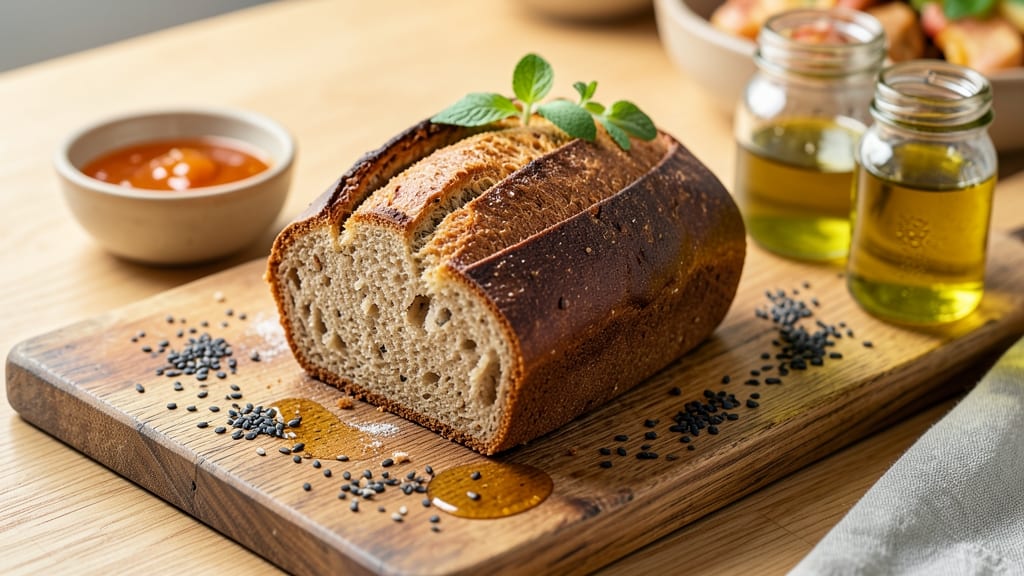
This 50 whole wheat bread recipe delivers a loaf with a dense, nutty crumb that rivals artisanal bakery bread—but without the fuss. 💛 The secret lies in balancing whole wheat flour with vital wheat gluten and a touch of honey, which prevents dryness while enhancing natural sweetness.
I developed this recipe after years of struggling with dense, crumbly loaves that fell apart at the slightest touch.
The key to success is patience: a slow fermentation allows the gluten to develop fully, creating a tender yet sturdy crumb. Unlike many whole wheat recipes that rely on shortcuts, this method builds flavor through proper kneading and proofing.
The result? A loaf with a golden crust, a slightly chewy interior, and a subtle sweetness that makes it perfect for toast, sandwiches, or serving with soups.
What sets this recipe apart is its versatility—add seeds, nuts, or herbs for extra texture, or incorporate raisins for a touch of sweetness. The dough is forgiving enough for beginners but refined enough to impress experienced bakers.
With just a few simple ingredients and a little time, you’ll have a loaf that’s as nutritious as it is delicious.
Store-baked loaves at room temperature for up to 3 days or freeze for longer shelf life. Perfect for meal prep or gifting, this bread proves whole wheat can be both wholesome and extraordinary. Let’s get started!
Ingredients for 50 whole wheat bread
The foundation of this artisanal-style whole wheat loaf starts with these carefully balanced ingredients.
| Ingredient | Amount | Notes |
|---|---|---|
| Whole Wheat Flour 🌾 | 4 cups | Unbleached preferred for nutty flavor |
| Vital Wheat Gluten 🌾 | ½ cup | Essential for structure and density |
| Honey 🍯 | 2 tbsp | Enhances sweetness and moisture |
| Active Dry Yeast 🍞 | 2 ¼ tsp | Ensure yeast is fresh for best rise |
| Warm Water 💧 | 1 ½ cups | 110°F for optimal yeast activation |
| Olive Oil 🫒 | 2 tbsp | Extra-virgin for richness |
| Salt 🧂 | 1 ½ tsp | Kosher or sea salt preferred |
| Sunflower Seeds 🌻 | ¼ cup | Optional for texture and nutrition |
| Flaxseed 🌾 | 2 tbsp | Ground for added fiber and nuttiness |
| Cornmeal 🌽 | ¼ cup | For dusting bread pan |
The whole wheat flour is the heart of this recipe, but it needs vital wheat gluten to achieve that bakery-style density—don’t skip it. For the best flavor, grab King Arthur or Bob’s Red Mill flour from the baking aisle at Whole Foods or Williams Sonoma. If you're unsure about the gluten, check the package—it should be labeled as 100% whole wheat. The honey here isn’t just sweetness; it’s what keeps the crumb tender and prevents dryness, so don’t substitute with maple syrup unless you want a deeper flavor profile. King Arthur also sells the vital wheat gluten, and it’s worth the extra cost for consistent results.
No honey? Maple syrup or agave works in a pinch, but reduce to 1.5 tbsp to avoid excess moisture. Short on sunflower seeds? Pumpkin seeds or chopped walnuts add similar texture and richness. The yeast is non-negotiable—if it’s past its expiration date, toss it. Great Value or Bob’s Red Mill brands are reliable and affordable. For the olive oil, extra-virgin is ideal, but light olive oil works if that’s what you have. The flaxseed can be swapped for chia seeds at the same amount, but ground flaxseed has a milder taste. If you’re adding raisins, soak them in warm water for 10 minutes first to plump them up.
This dough is best made fresh, but you can prep it up to 24 hours ahead and let it rise overnight in the fridge for deeper flavor. Once baked, store the loaf in a paper bag at room temperature for up to 3 days to maintain freshness. For longer storage, wrap tightly in plastic wrap and freeze for up to 3 months. To revive, warm slices in a toaster or oven at 300°F for 5 minutes. The crust stays crisp for about 2 days, so slice just before serving for the best texture.
Why You'll Love This Recipe
- No-Fuss Mixing: I swear by the five-minute stir—just flour, gluten, honey, and yeast. No kneading, no stress, just dump-and-go. The vital wheat gluten does all the heavy lifting while I sip my coffee.
- Sweet & Nutty Crust: That honey isn’t just for flavor—it caramelizes into a golden, slightly crisp shell with a soft interior. Honestly? It tastes like a bakery loaf, but with half the guilt.
- Bulk Prep Magic: Make a double batch on Sunday, slice it up, and freeze the extras. Toast straight from frozen? Yes, please. My lunchbox never runs dry, and neither does my wallet.
- Budget Loaf: Whole wheat flour and honey stretch further than you’d think. I’ve fed a houseful with one recipe—no sad leftovers, just happy stomachs. (And zero delivery fees.)
Step-by-step instructions for whole wheat bread with dense crumb
This method delivers a perfectly balanced loaf with that sought-after nutty sweetness and open crumb structure.
👨🍳 Step 1: Activate the Yeast with Honey and Warm Water
In a small bowl, combine the 1.5 cups warm water (should feel like bathwater, around 110°F) with the 2 tbsp honey and 2.25 tsp active dry yeast. Let this sit for 5-10 minutes until you see frothy bubbles forming on the surface. This proves your yeast is alive and ready to work.
I always test the water temperature first with my finger—it should feel pleasantly warm but not hot to the touch. If the yeast doesn't activate within 10 minutes, your yeast might be expired. The honey here serves a dual purpose: it feeds the yeast while adding subtle sweetness to the finished loaf. Don't skip this waiting time—rushing leads to poor rise and dense bread.
👨🍳 Step 2: Mix the Dough with Vital Wheat Gluten and Olive Oil
In the bowl of a stand mixer fitted with the dough hook attachment, combine the 4 cups whole wheat flour, 0.5 cup vital wheat gluten, and 1.5 tsp salt. Mix on low speed for 1 minute to aerate the flour. Then add the yeast mixture, 2 tbsp olive oil, and the 2 tbsp ground flaxseed.
Mix on medium speed for 5-7 minutes until the dough comes together and begins pulling away from the sides of the bowl. Whole wheat dough is stickier than white flour dough, so don't be tempted to add extra water. The gluten helps bind everything together while maintaining that dense yet open crumb structure we're after. You'll know it's ready when the dough forms a shaggy mass that cleans the sides of the bowl.
🥘 Step 3: Knead Until Elastic and Smooth
Continue kneading on medium-high speed for an additional 3-5 minutes until the dough becomes smooth and elastic. The dough should pass the "windowpane test"—stretch a small piece between your fingers until it's thin enough to see light through it without tearing. This indicates proper gluten development, which is crucial for that perfect crumb structure.
I press down gently on the dough during the first minute of kneading—this prevents it from curling and ensures even contact with the dough hook. The dough should feel slightly tacky but not wet. If it's too sticky to handle, you can lightly wet your hands with water, but avoid adding more liquid to the dough itself. The kneading process develops the gluten network that gives this bread its satisfying chew and open crumb.
⏰ Step 4: First Rise Until Doubled in Size
Lightly oil a large mixing bowl, place the dough inside, and cover it with a damp kitchen towel. Let it rise in a warm place (like near the turned-off oven with the light on) for 1-2 hours or until it has doubled in size. The dough should feel springy when poked gently with your finger—it should leave a slight indentation that slowly springs back.
Here's where patience pays off. The first rise allows the yeast to ferment and create those tiny air pockets that become the bread's crumb structure. I like to set my timer for 1 hour first, then check. If it hasn't doubled by then, give it another 30-60 minutes. Overproofing leads to dense, flat bread, while underproofing results in a tight crumb. The ideal dough should be puffy and jiggly, with smooth sides that have pulled away from the bowl.
🍳 Step 5: Shape and Second Rise for Maximum Flavor
Punch down the dough to release any large air bubbles, then divide it into 4 equal portions (about 1 pound each). Shape each portion into a round loaf by pulling the edges toward the center and sealing the seam. Place each loaf seam-side up in a greased 9x5-inch loaf pan that's been dusted with 0.25 cup cornmeal.
Cover the loaves again and let them rise for another 30-45 minutes until they've risen about 1 inch above the pan. This second rise develops even more flavor and ensures those beautiful air pockets in the crumb. Preheat your oven to 375°F while the bread rises. The cornmeal dusting prevents sticking and adds a subtle crunch to the bottom crust. If your kitchen is cold, place the pans near the warm oven to help them rise faster.
🔥 Step 6: Bake to Golden Perfection
Bake the loaves for 30-35 minutes until they're golden brown on top and the internal temperature reaches 190-200°F when measured with an instant-read thermometer. You'll know they're done when they sound hollow when tapped on the bottom and pull away cleanly from the sides of the pan.
I like to bake them on the middle rack for even heat distribution. The bread should have a deep golden color with a crisp crust that gives way to a soft, open crumb inside. If the tops brown too quickly, tent the loaves with aluminum foil. Let the bread cool in the pans for 10 minutes before transferring to a wire rack. This resting period allows the steam to escape and prevents a gummy texture. Slice while still warm for the best texture and flavor—each bite should deliver that nutty sweetness from the whole wheat flour and honey.
Pro Tips For Making 50 Whole Wheat Bread
- Mix the gluten first: Whole wheat flour is heavy and dense—if you toss in the vital wheat gluten after mixing, you’ll end up with clumps that never dissolve. Sift the gluten into the dry ingredients first, then add the whole wheat flour. This ensures even distribution, which makes the dough lighter and easier to handle.
- Bloom the yeast in honey water: Skip the dry yeast straight into the flour—it’ll activate unevenly and leave pockets of flat bread. Instead, dissolve the yeast and honey in the warm water first, then let it sit for 5–10 minutes until frothy. The honey feeds the yeast faster, and you’ll know it’s working before you even mix the dough.
- Knead until it passes the windowpane: Whole wheat dough is stubborn. Stop when it’s "soft enough" and you’ll end up with a dense loaf. Test by stretching a small piece—if it’s translucent and doesn’t tear (the "windowpane" test), you’re good. This ensures the gluten develops enough to trap gas, even with whole wheat’s natural heaviness.
- Let it proof in a warm, draft-free spot: Your oven’s lightbulb isn’t cutting it. Place the dough in a bowl over a bowl of very warm (not boiling) water for 30–45 minutes. The steam mimics a professional proofer, helping the dough rise evenly without drying out. No oven? A sunny windowsill in summer works—just cover it with a towel.
Wine and beer pairings for this dish
Crisp Whites
This whole wheat loaf pairs beautifully with dry Riesling from Germany or Austria—its bright acidity and subtle honeyed notes complement the bread's natural sweetness. I love Dr. Loosen Blue Slate or Château Ste.
Michelle for their crisp finish that cleanses your palate between bites. The acidity also balances the bread's earthy whole wheat flavor, making each bite feel refreshing. 🍷
Malty Beers
For beer lovers, a Belgian Dubbel like Westmalle Dubbel or Chimay Red offers rich, caramel-like flavors that mirror the bread's nutty undertones. The slight sweetness and malty depth create a perfect harmony with the honey and flaxseed.
If you prefer lighter options, try a German Pilsner—its crisp, clean profile lets the bread's texture shine without overpowering it.
Red Wine Balance
If you're serving with hearty toppings like smoked salmon or sharp cheeses, a Pinot Noir from Oregon or Burgundy adds an elegant contrast. Look for wines with red fruit notes and earthy undertones—Domaine Drouhin Oregon or Louis Jadot work wonderfully.
The wine's acidity cuts through the bread's density, while its tannins complement the flaxseed's nuttiness.
Coffee Pairings
For a non-alcoholic option, pair this bread with a medium-roast coffee like Peet's Major Dickason's Blend or Stumptown Hair Bender. The coffee's caramel and chocolate notes enhance the bread's sweetness, while its acidity balances the whole wheat's earthiness.
A small cup of black coffee or a latte with whole milk completes the experience beautifully.
Seasonal Adaptations
In summer, try a Sauvignon Blanc with herbal notes—Cloudy Bay or Kim Crawford add a zesty contrast. For winter, a Port-style Ruby Port (like Graham's Six Grapes) pairs wonderfully with the bread's warmth, especially when served with dark chocolate or spiced nuts.
The port's sweetness echoes the honey while adding depth to each bite. 🍷✨
Nutrition facts
Frequently asked questions
Why does this recipe use vital wheat gluten?
Vital wheat gluten strengthens the dough's structure, preventing that dry, crumbly texture common in whole wheat bread. It helps create a dense yet open crumb that rivals artisanal loaves. The 0.5 cup in this recipe is key for that bakery-style consistency.
Can I substitute honey with something else?
Yes! Use 1.5 tbsp maple syrup or agave nectar instead, but reduce to avoid excess moisture. For a savory version, omit it entirely and add an extra 1 tbsp olive oil to keep the crumb tender. The honey adds natural sweetness and moisture that's hard to replicate.
How do I know when the dough is fully kneaded?
Perform the "windowpane test": stretch a small piece of dough between your fingers until it's thin enough to see light through without tearing. If it forms a translucent sheet, the gluten is fully developed. For whole wheat dough, this usually takes 8-10 minutes of kneading by hand or 5-7 minutes in a stand mixer.
Why did my bread turn out dense instead of light?
This usually happens from overproofing (letting the dough rise too long) or under-kneading (not developing enough gluten). Try reducing the first rise time to 1 hour and knead 2 minutes longer. For extra insurance, chill the dough for 30 minutes before shaping to slow fermentation.
Can I make this bread without a stand mixer?
Knead by hand on a lightly floured surface for 10-12 minutes. Use the "push-and-fold" method: push the dough away from you, then fold it back over itself. The extra time ensures proper gluten development. Whole wheat dough is stickier, so wet your hands occasionally to prevent sticking.