
Side Dishes
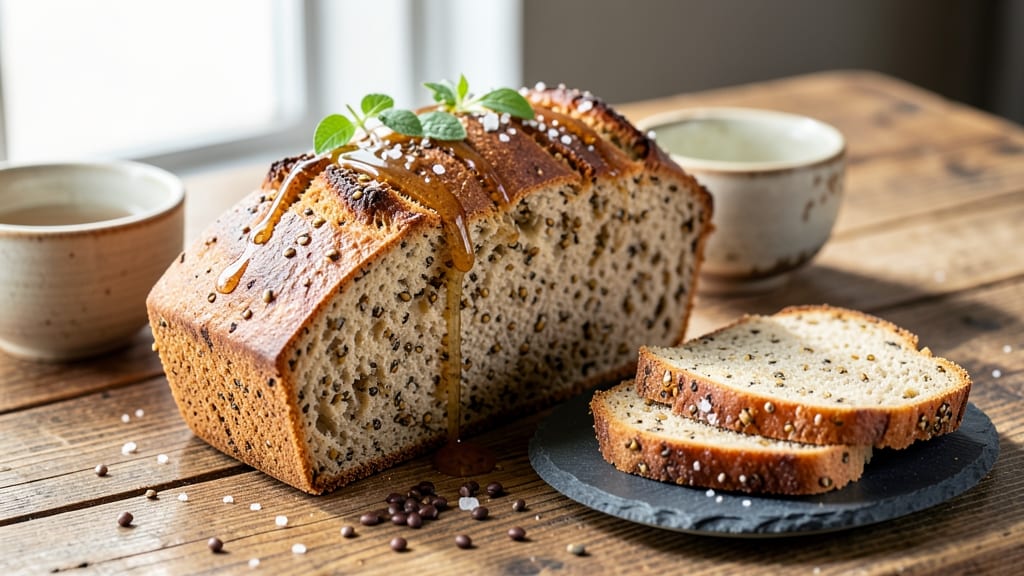
The beauty of this method is its versatility—whether you're making classic white bread, hearty whole grain, or tangy sourdough, the flaxseed meal adds rich nutrition without compromising texture. We'll cover precise hydration ratios, mixing techniques, and proofing times to guarantee a light, airy loaf every time.
The flaxseed also imparts a subtle nutty flavor that pairs beautifully with toasted bread, soups, or as a base for sandwiches.
What sets this recipe apart is the foolproof rise achieved through proper gluten development and controlled fermentation. We'll walk through each step—from activating the flax "egg" to shaping the dough and monitoring oven spring—to ensure your bread emerges from the oven with that perfect crusty exterior and soft interior.
The result is a loaf that's as good for your health as it is for your taste buds.
Once baked, this bread stays fresh for 5-7 days when stored properly, or you can freeze slices for quick toast. We'll also share variations like adding seeds or spices, plus troubleshooting tips for common baking challenges. Ready to bake bread that's both delicious and packed with benefits?
Ingredients for adding flaxseed meal to bread
Four cups flour, half cup flaxseed meal—this nutrient-packed loaf proves healthy baking can be effortless.
| Ingredient | Amount | Notes |
|---|---|---|
| All-Purpose Flour 🌾 | 4 cups | Unbleached preferred for lighter texture |
| Ground Flaxseed Meal 🌰 | ½ cup | Freshly ground for optimal nutrition |
| Water 💧 | 1 ½ cups | Room temperature for proper activation |
| Active Dry Yeast 🍞 | 1 tbsp | Ensure yeast is fresh and potent |
| Granulated Sugar 🍚 | 1 tbsp | Feeds yeast for proper rise |
| Salt 🧂 | 1 ½ tsp | Diamond Crystal preferred for accuracy |
| Extra-Virgin Olive Oil 🫒 | 2 tbsp | For tender crumb and golden crust |
| Whole Wheat Flour 🌾 | 1 cup | Optional for added nutrition |
| Sunflower Seeds 🌻 | ¼ cup | Toasted for extra crunch |
| Maple Syrup 🍁 | 1 tbsp | Enhances flavor and moisture |
| Apple Cider Vinegar 🍎 | 1 tsp | Activates gluten for better rise |
The flaxseed meal is the star here, so grab the freshly ground kind from the bulk section at Whole Foods or Trader Joe's—pre-ground loses potency fast. For yeast, Bob's Red Mill has reliable active dry yeast in single-serving packets, perfect for this recipe. The sunflower seeds? Costco sells them in bulk for a steal, and toasting them in a dry pan for 3 minutes brings out their nutty flavor. If you're making a classic white loaf, skip the whole wheat flour—it adds density, but the flaxseed already keeps things hearty. Pro tip: measure your flour by scooping and leveling—don't pack it down or you'll end up with a dense loaf.
No flaxseed meal? Chia seeds ground into a fine powder work in a pinch, though the flavor's slightly different. Running low on sunflower seeds? Pumpkin seeds or sesame seeds add a nice crunch too. The apple cider vinegar can be swapped for white vinegar at half the amount, but it won't have that same tangy depth. For a sweeter loaf, agave nectar instead of maple syrup works beautifully—just reduce other liquids slightly to balance hydration. And if you're worried about the flaxseed flavor overpowering, don't be: it's subtle and pairs perfectly with the bread's natural nuttiness. The yeast is non-negotiable though—if it's past its expiration date, toss it and start fresh.
This dough is a bit stickier than traditional bread, so wet your hands when shaping to prevent sticking. Store baked loaves in a bread box or paper bag at room temperature for 3-4 days—it stays fresh longer than most bread. For extended storage, slice and freeze portions wrapped in parchment paper; they'll toast up like fresh in the morning. The flaxseed meal keeps in the pantry for up to 6 months if stored airtight, but once mixed into dough, use it within 24 hours for best results. And if your loaf doesn't rise as expected? Check your yeast first—it might just need a warmer environment to activate properly.
Why You'll Love This Recipe
- No-Fuss Mix-In: Mixing ground flaxseed into the dough takes two seconds—just stir it right into the flour. No special steps, no extra bowls, and honestly? It disappears into the bread like magic.
- Nutty Depth: That flaxseed meal adds a subtle, toasty richness that regular bread just can’t match. It’s not overpowering—just enough to make every bite feel a little more satisfying.
- Leftover Hero: This bread keeps beautifully for days, and the flaxseed actually improves with time—more flavor, less crumbly. I’ve had it for breakfast, lunch, and even as a snack, and it never lets me down.
- Budget Booster: Flaxseed meal is cheap, and a little goes a long way. I stretch my grocery budget by adding it to bread without sacrificing texture or taste—plus, it’s a sneaky way to boost fiber. Win-win.
Step-by-step instructions for nutrient-packed flaxseed bread
Here's how to transform your bread into a protein-rich powerhouse using flaxseed meal.
👨🍳 Step 1: Create the Flaxseed Egg Substitute
In a small bowl, whisk together the 0.5 cup ground flaxseed meal and 1.5 cups water. Let this mixture sit for 10 minutes—you'll see it thicken into a gel-like consistency that perfectly mimics eggs. This is the magic that binds your bread without any animal products.
I like to use freshly ground flaxseed meal because it activates better and provides more omega-3s. If you're using pre-ground flaxseed, make sure it's stored in the fridge to prevent rancidity. The gel should look like thick pudding—if it's too runny, add a little more flaxseed meal.
👨🍳 Step 2: Activate the Yeast with Warm Water
In a separate bowl, combine 1.5 cups room-temperature water, 1 tbsp granulated sugar, and 1 tbsp active dry yeast. Let this sit for 5-10 minutes until it becomes foamy. This foaming action confirms your yeast is alive and ready to work its magic.
I always check the yeast's freshness first by dropping a pinch in warm water with sugar—if it doesn't foam within 5 minutes, it's time to replace it. The warm water (around 105-110°F) is crucial here; too hot and you'll kill the yeast, too cold and it won't activate properly.
🥘 Step 3: Mix the Wet Ingredients
In a large mixing bowl, combine the yeast mixture with 2 tbsp extra-virgin olive oil, 1 tbsp maple syrup, and 1 tsp apple cider vinegar. Whisk vigorously for 1 minute until everything is fully incorporated. The vinegar here does double duty—it activates the gluten for better rise while adding subtle tang.
This is where the flaxseed gel comes in. Add it to the wet mixture and stir until completely smooth. The flaxseed not only replaces eggs but also adds fiber and healthy fats. If your dough seems too sticky, don't worry—we'll adjust the texture in the next step.
👨🍳 Step 4: Combine with Dry Ingredients
In a separate bowl, whisk together 4 cups all-purpose flour, 1 cup whole wheat flour, and 1.5 tsp salt. Gradually add this dry mixture to your wet ingredients while stirring with a wooden spoon. Mix just until combined—you'll want to avoid overworking the dough.
Here's the thing—this dough will be stickier than traditional bread dough because of the flaxseed and whole wheat flour. To help with handling, I like to wet my hands slightly with water before shaping. The goal is to get everything just combined without developing too much gluten, which can make the bread dense.
⏰ Step 5: Knead and Let Rest for Perfect Rise
Turn the dough onto a lightly floured surface and knead gently for 3-4 minutes until it comes together into a smooth ball. The dough should be soft but not sticky to the touch. Place it in a lightly oiled bowl, cover with a damp towel, and let it rise in a warm place for 1-2 hours or until doubled in size.
I find the best way to create a warm environment is to place the bowl on top of my oven with the light on (not the heat). The dough should puff up noticeably and have a slightly springy texture when pressed gently. If it doesn't rise much, it might need more time or warmer conditions.
🔥 Step 6: Shape, Toast Seeds, and Bake
Preheat your oven to 375°F. While it heats, shape the dough into a loaf and place it in a greased loaf pan. In a dry skillet over medium heat, toast the 0.25 cup sunflower seeds for 2-3 minutes until golden brown and fragrant—this adds incredible crunch to your bread.
Bake the bread for 35-40 minutes until it's golden brown and sounds hollow when tapped on the bottom. The internal temperature should reach 190-200°F. Sprinkle the toasted sunflower seeds on top during the last 5 minutes of baking for that perfect crunchy finish.
⏰ Step 7: Cool and Enjoy Your Nutrient Boost
Remove the bread from the pan and let it cool on a wire rack for at least 30 minutes before slicing. This resting period is crucial—it allows the bread to set properly and prevents a gummy texture. The longer you wait, the better the texture will be.
Slice your bread and you'll notice the beautiful golden crust with those crunchy sunflower seeds on top. Each slice should be tender with a slightly dense texture from the flaxseed and whole wheat flour. Store any leftovers in an airtight container for up to 5 days or freeze for longer storage.
Pro Tips For Making Adding Flaxseed Meal To Bread
- Mix Flaxseed First: Stir the ground flaxseed meal into the water before adding it to the flour—this prevents clumping and ensures even distribution. I learned this the hard way when my first batch had dry spots that turned into dense, flavorless pockets.
- Weigh Your Flour: Use a kitchen scale for the all-purpose flour and flaxseed meal—volume measurements lead to inconsistent texture. A 1-gram difference in flaxseed can throw off the bread’s structure, and flour packed too loosely or too tightly changes the game.
- Skip the Rush: Let the dough rise until it’s almost doubled, then punch it down and let it rise again—this develops gluten and balances the flaxseed’s heaviness. I used to skip the second rise, and the bread turned out gummy and dense.
- Store Flaxseed Properly: Keep your ground flaxseed in the freezer to prevent rancidity—it goes bad faster than you’d think. Once opened, it’s best used within 2 weeks, or the bread will taste bitter. (Yes, I’ve made that mistake.)
Common mistakes when making this dish
Skipping the Rest Time
One of the biggest mistakes is slicing your flaxseed bread too soon after baking. The flaxseed meal and whole wheat flour create a loaf that needs at least 30 minutes of cooling time to set properly.
I've seen beginners cut into bread at 15 minutes, only to end up with a gummy, uneven texture. The flax "egg" substitute requires this extra time to fully gel and bind the structure. 💫
Overmixing the Dough
This dough is stickier than traditional bread dough, and it's easy to overmix when trying to achieve a smooth texture. Mix just until combined—overworking develops too much gluten, which can make your bread dense rather than light.
I recommend using a wooden spoon and stopping as soon as the ingredients come together. The flaxseed meal already adds binding properties, so you don't need to force the dough.
Using Old or Rancid Flaxseed Meal
Flaxseed meal loses its potency quickly, especially when exposed to air or heat. If your flaxseed smells bitter or tastes rancid, it'll make your bread taste off. Always use freshly ground flaxseed meal and store any extras in an airtight container in the freezer.
For this recipe, I recommend Bob's Red Mill ground flaxseed—it's consistently fresh and finely ground for optimal activation.
Incorrect Flaxseed-to-Water Ratio
The magic of the flax "egg" relies on the precise ratio of 0.5 cup flaxseed meal to 1.5 cups water. Using too much water makes the dough too wet and difficult to handle, while too little flaxseed won't create enough binding.
I've seen beginners add extra water to compensate for stickiness, which leads to a dense loaf. Let the dough rest properly—it will come together beautifully without extra liquid.
Ignoring the Yeast Activation Test
Many people skip testing their yeast before mixing, assuming it's still good. But yeast loses potency quickly, especially in dry climates. Always test your yeast by mixing 1 tsp sugar and 1 tsp yeast in ¼ cup warm water—it should foam within 5 minutes.
If it doesn't, your bread won't rise properly. For this recipe, I use Bob's Red Mill active dry yeast because it's reliable and easy to find.
Overbaking for Crust Color
Flaxseed bread can darken quickly in the oven, tempting bakers to pull it out too early. But underbaked bread won't develop proper internal structure. Check for doneness by tapping the bottom—it should sound hollow. The internal temperature should reach 190-200°F.
If your loaf is browning too fast, tent it with foil during the last 10 minutes of baking to prevent over-browning while ensuring it's fully cooked inside. 🔥
Nutrition facts
Frequently asked questions
Why does flaxseed meal make bread healthier?
Flaxseed meal adds omega-3 fatty acids, fiber, and plant-based protein to your bread—all without animal products. Just 0.5 cup provides 4g fiber and 3g protein per serving, plus lignans that support heart health. The gel-like texture also replaces eggs perfectly while keeping the bread moist longer.
Can I use whole flaxseeds instead of ground meal? No, whole flaxseeds won't work—they need to be ground to release their nutrients and bind properly. If you only have whole seeds, grind 1 cup in a coffee grinder or food processor first. The texture will be slightly coarser, but it'll still add nutrition. Just
How long does flaxseed bread stay fresh?
This bread stays fresh for 5-7 days at room temperature when stored in a paper bag or bread box. For longer storage, slice and freeze portions wrapped in parchment paper—they'll toast up perfectly. The flaxseed meal actually helps preserve moisture better than traditional bread. If it starts drying out, sprinkle a little water and reheat in a 350°F oven for 5 minutes.
What if my flaxseed bread tastes bitter?
Bitter flavor usually means your flaxseed meal went rancid. Always use freshly ground flaxseed stored in the freezer, not pantry. For this recipe, Bob's Red Mill ground flaxseed works best. If you've already mixed the dough, add 1 tsp lemon juice or ½ tsp vanilla extract to mask the bitterness, though prevention is better than cure.
Can I make this bread without yeast?
Yes! For a quick version, replace the yeast with 1 tsp baking soda and 1 tbsp vinegar—the reaction creates lift. The texture will be denser, but still delicious. For a sourdough-style loaf, use 1 cup active sourdough starter instead of the yeast mixture. The flaxseed meal works equally well in both methods, though fermentation times will vary.