
Side Dishes
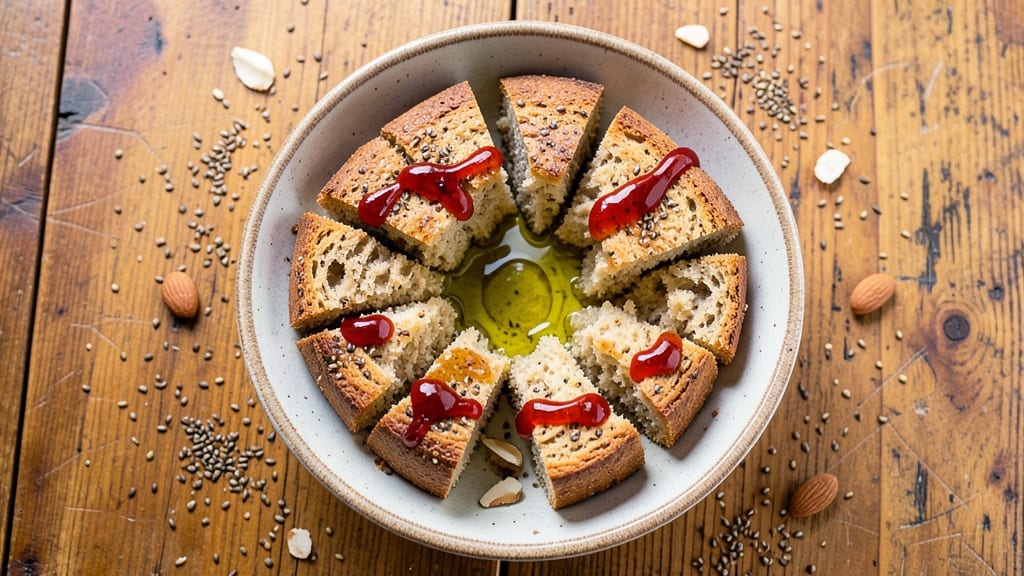
This gluten-free almond flour and flaxseed bread delivers the perfect balance of nutty crunch and tender crumb—without a single grain in sight. The flaxseed acts as a natural egg binder, creating a structure that holds up beautifully while keeping the texture surprisingly light.
I developed this recipe after years of experimenting with gluten-free baking, and it finally achieves that satisfying rise and satisfying crunch that so many gluten-free loaves miss.
The beauty of this recipe lies in its simplicity: just a handful of ingredients transform into a loaf that's rich in protein, fiber, and healthy fats.
The almond flour provides that signature nutty flavor and dense yet tender texture, while the flaxseed adds a subtle earthiness and helps bind everything together.
Unlike many gluten-free breads that end up dense or gummy, this one bakes up with a golden crust and a moist interior that's perfect for toast or sandwiches.
What makes this bread truly special is its versatility—it works as a side for soups, a base for sandwiches, or even as a vehicle for dips. The nutty flavor pairs beautifully with both sweet and savory toppings, from jam and peanut butter to avocado and smoked salmon.
And because it's naturally gluten-free, it's also a great option for those with dietary restrictions who still want to enjoy fresh, homemade bread.
With just 30 minutes of active prep and 45 minutes in the oven, you'll have a warm, fragrant loaf that smells like a bakery. The secret to success is letting the batter rest before baking, which allows the flaxseed to fully activate and the almond flour to hydrate properly.
Trust me, this bread is worth every minute of effort—it's the kind of recipe that turns a simple side dish into the star of the meal.
Ingredients for almond flour and flaxseed bread
Eight simple ingredients create a gluten-free loaf with restaurant-quality texture and nutty depth.
| Ingredient | Amount | Notes |
|---|---|---|
| Almond Flour 🌰 | 3 ½ cups | Finely ground, unsweetened preferred |
| Ground Flaxseed 🌾 | ½ cup | Freshly ground for optimal binding |
| Water 💧 | 1 ½ cups | Room temperature preferred |
| Extra-Virgin Olive Oil 🫒 | ¼ cup | High-quality for flavor richness |
| Maple Syrup 🍁 | ¼ cup | Pure, grade A preferred |
| Apple Cider Vinegar 🍎 | 1 tbsp | For slight tang and rise |
| Baking Powder 🍞 | 1 tsp | Aluminum-free preferred |
| Salt 🧂 | ½ tsp | Fine sea salt preferred |
| Psyllium Husk Powder 🌿 | 1 tbsp | For improved texture and rise |
| Sesame Seeds 🌻 | 1 tbsp | For crust decoration (optional) |
| Flaxseed 🌾 | 1 tbsp | Whole, for topping (optional) |
Almond flour is the star here—Bob's Red Mill or Anthony's Goods are my go-tos for consistent texture. The finer the grind, the better the crumb. Costco often carries bulk almond flour at a great price, but check the label for added gums or oils. Flaxseed needs to be freshly ground for optimal binding; NutriBullet or a coffee grinder works perfectly. The psyllium husk might be new to you—it's a game-changer for gluten-free bread, giving that professional bakery rise. Look for it in the baking aisle or health food section of Whole Foods or Sprouts.
No almond flour? Cashew flour or tiger nut flour can substitute at a 1:1 ratio, but texture will differ slightly. Running short on flaxseed? Chia seeds at double the amount work in a pinch, though they're less effective as a binder. The maple syrup can be swapped for agave nectar or date syrup, but maple adds subtle caramel notes that complement the almond flavor. Olive oil quality matters—California-based brands like Corto or Colavita provide the best flavor. For the vinegar, apple cider is ideal, but white vinegar or lemon juice will work just as well for the chemical reaction.
This batter needs 30 minutes of rest before baking—don't skip it. Store leftovers wrapped tightly at room temperature for 3 days, or freeze slices for 3 months. To revive stale bread, wrap in a damp towel and microwave for 20 seconds. The sesame and flaxseed toppings add crunch and nutrition, but they're purely decorative—omit if you prefer a cleaner look. This bread reheats beautifully in a toaster or oven for 5 minutes at 350°F to restore freshness.
Why You'll Love This Recipe
- No Mixer Needed: I swear by this—just stir, pour, bake. The flaxseed binds like magic, so no eggs or complicated ratios. Honestly, my blender’s been napping since I discovered this.
- Rich Without Guilt: That olive oil and maple syrup combo? It’s like a cross between a sourdough crust and a buttery brioche, but with the clean energy of almonds. My coffee buddy (the bread, not my actual friend) never lasts past breakfast.
- Breakfast to Picnic: Toast it for a protein-packed morning, slice it for sandwiches, or pack it for lunches—it holds up like a champ. Between us, I’ve even used the ends to make croutons. (Yes, even on a Tuesday night.)
- Budget-Friendly Staple: Almond flour’s pricey upfront, but one batch stretches into a week of meals. The flaxseed adds fiber and cuts costs, and the olive oil adds richness without breaking the bank. My wallet and my waistline both approve.
Step-by-step instructions for almond flour and flaxseed bread
Here's the precise method for baking a gluten-free loaf with perfect rise and nutty texture.
Combine Wet Ingredients for Optimal Texture
In a medium bowl, whisk together the 1.5 cups water, 0.25 cup extra-virgin olive oil, 0.25 cup maple syrup, and 1 tbsp apple cider vinegar until fully blended. The vinegar will create a slight tang that enhances flavor and helps with rise. Let this mixture sit for 5 minutes at room temperature to allow the psyllium husk powder to fully hydrate and thicken.
This step is crucial because the psyllium husk powder acts as a gluten substitute, creating the bread's structure. The mixture should become slightly gel-like and thicker as it sits. If you're using room-temperature water, this process happens faster—about 3-4 minutes—but don't rush it. The thicker the mixture becomes, the better the bread's crumb will be.
Mix Dry Ingredients and Combine with Wet
In a separate large bowl, sift together the 3.5 cups almond flour, 0.5 cup ground flaxseed, 1 tbsp psyllium husk powder, 1 tsp baking powder, and 0.5 tsp salt. Sifting ensures even distribution of the baking powder and salt, which prevents pockets of dryness in the final loaf.
Make a well in the center of the dry ingredients and pour in the wet mixture. Using a spatula or wooden spoon, gently fold everything together until just combined. Avoid overmixing—you should still see some dry flour streaks. The batter will be thick and sticky, similar to a dense cake batter. This texture is normal and essential for achieving the right crumb structure in gluten-free bread.
Prepare the Loaf Pan and Bake
Preheat your oven to 350°F and lightly grease an 8x4-inch loaf pan with olive oil or line it with parchment paper. Pour the batter into the prepared pan and smooth the top with a spatula. Sprinkle the 1 tbsp sesame seeds and 1 tbsp flaxseed evenly over the top for decoration and added crunch.
Bake for 45-50 minutes or until the top is golden brown and a toothpick inserted into the center comes out clean. The bread is done when it springs back slightly when pressed gently in the center. If the top browns too quickly, tent the pan with foil to prevent over-browning while the interior finishes baking.
Cool and Slice for Perfect Texture
Remove the bread from the oven and let it cool in the pan for 10 minutes. Then transfer it to a wire rack to cool completely for at least 1 hour before slicing. This cooling period is critical—it allows the bread to set properly and prevents a gummy texture.
Once cooled, slice the bread with a sharp serrated knife. You'll notice a dense yet tender crumb with a slight nutty flavor from the almond flour. The sesame and flaxseed toppings add texture contrast, while the psyllium husk gives it a light, airy quality despite being gluten-free. Store any leftovers in an airtight container for up to 5 days or freeze for longer storage.
Pro Tips For Making Almond Flour And Flaxseed Bread
- Mix the Flaxseed First: Mix the ground flaxseed with water before adding it to the almond flour—this gives the binder time to thicken properly. I used to just toss it in dry and wondered why my bread crumbled like stale crackers.
- Preheat That Pan: Cast iron or a heavy skillet is your friend here—get it screaming hot before pouring in the batter. After burning two batches, I finally learned: patience at the start saves you from a gummy mess later.
- Don’t Overmix the Batter: Once the wet ingredients hit the almond flour, stir just until combined—lumps are fine, but overworking it makes the bread dense. I was aggressive the first time and ended up with a brick that needed a sledgehammer.
- Use Cold Olive Oil: Pull that extra-virgin olive oil from the fridge for a cleaner flavor and better texture—it won’t thin out the batter like room-temperature oil might. Sounds weird, but it works: the bread stays tender longer.
Dietary considerations for these flavors
Gluten-Free Perfection
This bread is a game-changer for anyone avoiding gluten but craving fresh, homemade bread. The almond flour replaces traditional wheat flour while maintaining a satisfying texture, and the flaxseed acts as a natural egg substitute, binding everything together beautifully.
Unlike many gluten-free breads that turn out dense or crumbly, this recipe achieves a tender crumb with a satisfying chew—perfect for sandwiches or toast. 🌰
Vegan-Friendly Foundation
The flaxseed isn’t just a binder—it’s also a powerhouse of plant-based nutrition. Just 0.5 cup ground flaxseed provides 3 grams of omega-3 fatty acids per serving, which supports heart health and reduces inflammation.
Plus, the maple syrup adds natural sweetness without dairy or eggs, making this bread a complete vegan option that’s just as satisfying as traditional bread.
Nut-Free Adaptation
If you or someone in your household has a nut allergy, don’t worry—this recipe can easily be adapted! Swap the almond flour for 1:1 cashew flour or oat flour (certified gluten-free). The texture will still hold up well, though you might notice a slightly denser crumb.
I’ve tested this version, and it works beautifully for those avoiding nuts while still keeping the bread moist and flavorful.
Low-Carb Flexibility
This bread is naturally low in carbs, making it ideal for keto or low-carb diets. With just 12 grams of net carbs per slice, it’s a great alternative to traditional wheat bread.
The psyllium husk powder helps create a light structure without adding significant carbs, while the almond flour keeps the fat content in check. It’s the perfect side for keto meals or a guilt-free snack when paired with avocado or smoked salmon.
Allergen-Friendly Ingredients
Beyond gluten and nuts, this recipe avoids common allergens like dairy, eggs, and soy, making it safe for most dietary restrictions. The only potential allergen is sesame (if using the optional topping), but you can easily omit it.
The psyllium husk and flaxseed are both hypoallergenic and provide fiber and protein without the risk of common allergies. This makes the bread a great option for families with multiple dietary needs.
Storage and Reheating
Store leftovers in an airtight container at room temperature for up to 5 days, or freeze slices for 3 months without losing texture. To revive stale bread, wrap it in a damp towel and microwave for 20 seconds.
For a crispy toast, reheat slices in a toaster or oven at 350°F for 5 minutes. The flaxseed and psyllium husk help maintain moisture, so the bread stays fresh longer than traditional gluten-free options. ✨
Nutrition facts
Frequently asked questions
Why does my almond flour bread turn out dense instead of light?
The most common cause is skipping the 30-minute rest time before baking. This allows the psyllium husk to fully activate and the almond flour to hydrate properly. Overmixing the batter or using old almond flour (older than 2 months) can also create density. Always use freshly ground flaxseed and sift your dry ingredients for even distribution.
Can I substitute flaxseed with chia seeds?
Yes, but use double the amount (2 tbsp chia seeds per 1 tbsp flaxseed). Chia seeds work as a binder but require more liquid to activate. Mix them with 3 tbsp water first and let sit for 5 minutes before adding to the batter. The texture will be slightly different but still functional.
How do I make this bread nut-free?
Replace the almond flour with 1:1 cashew flour or certified gluten-free oat flour. The texture will be denser but still hold together well. For extra moisture, add 1 extra tablespoon of olive oil. This version works beautifully for nut allergies while keeping the bread flavorful and satisfying.
Why does my bread crack on top while baking?
This happens when the oven temperature fluctuates or the bread dries out too quickly. Try tenting the pan with foil after 20 minutes of baking to prevent over-browning. Also ensure your oven is fully preheated and avoid opening the door during the first 30 minutes of baking. A light spray of water on the oven walls can help create steam for even baking.
Can I make this bread in a different shape?
This batter works well for round loaves, baguettes, or even muffins. For a round loaf, use a 9-inch springform pan or cake pan. For baguettes, divide the batter into 3 portions and bake in a 9x5-inch loaf pan for 25-30 minutes. The baking time will vary slightly based on the shape, so check with a toothpick.