
Side Dishes
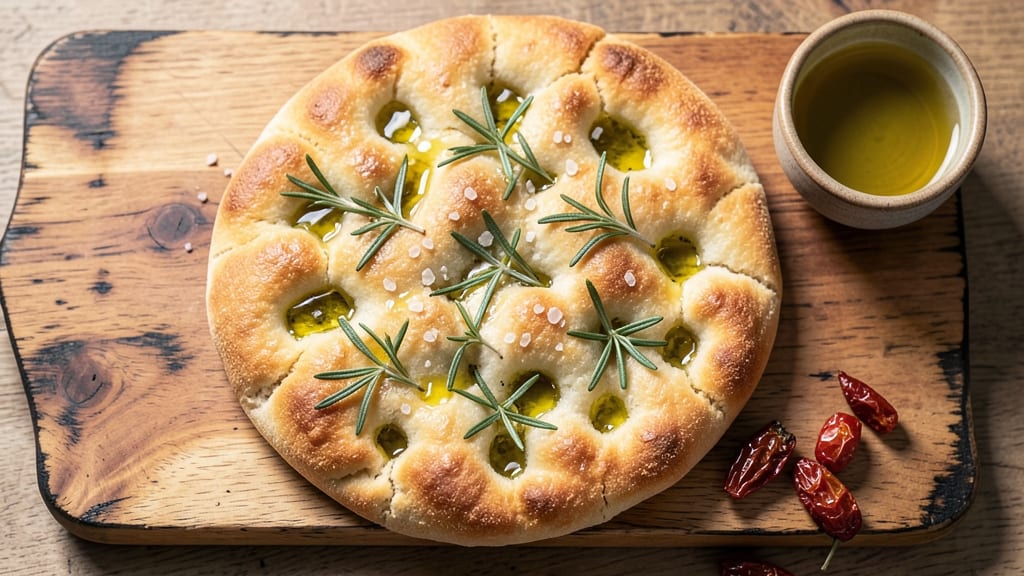
This airy focaccia bread recipe delivers restaurant-quality results with its signature golden olive oil bubbles and soft, chewy crumb. The secret lies in proper dough hydration and a slow fermentation process that develops incredible flavor and texture.
I've perfected this technique over years of baking, and it's become my go-to for impressing guests without spending hours in the kitchen.
What sets this focaccia apart is the combination of high-quality olive oil, fresh rosemary, and flaky sea salt that creates those coveted bubbles while keeping the interior tender.
The dough requires just 15 minutes of prep but benefits from a 2-hour cold proof in the refrigerator, which allows flavors to meld and gluten to relax for that perfect texture. This method ensures you'll achieve professional results every time.
By the time it emerges from the oven, your focaccia will have a crispy, golden crust with those signature dimples filled with fragrant olive oil, while the interior remains soft and pillowy.
The aroma alone will have everyone gathering around your table, and each bite delivers a perfect balance of olive oil richness, herby freshness, and salty crunch. It's the kind of bread that makes every meal feel special.
Perfect for serving alongside soups, salads, or as a base for bruschetta, this focaccia keeps well at room temperature for 2 days or can be frozen for up to 3 months.
The recipe scales easily, so you can make a small batch for two or a large tray for a crowd. Let's get started on creating your perfect focaccia.
Ingredients for airy focaccia bread
Golden bubbles and chewy crumb start with these eight essential ingredients.
| Ingredient | Amount | Notes |
|---|---|---|
| Active Dry Yeast 🍞 | ¼ oz | Or 1 packet instant yeast |
| Warm Water 💧 | 1 ¼ cups | 110°F for activating yeast |
| All-Purpose Flour 🌾 | 4 cups | Plus 1 tbsp for dusting |
| Extra-Virgin Olive Oil 🫒 | ¾ cup | High quality, fruity variety |
| Granulated Sugar 🍚 | 1 tbsp | For yeast activation |
| Fine Sea Salt 🧂 | 1 ½ tsp | Flaky salt for topping |
| Fresh Rosemary 🌿 | ¼ cup | Finely chopped leaves |
| Large Eggs 🥚 | 2 whole | Room temperature preferred |
The olive oil is non-negotiable here—look for extra-virgin with a fruity aroma, not the cheap stuff. Trader Joe's and Whole Foods have great options, or check the Italian section at your grocery store. Fresh rosemary makes all the difference; dried works in a pinch but lacks that vibrant flavor. For the yeast, Saf-Instant is my go-to because it activates without proofing time, but active dry yeast works too if you let it bloom first. Flour should be all-purpose, not bread flour—this dough needs that perfect balance of gluten development without being too dense.
No extra-virgin olive oil? Light olive oil works, but you'll miss that rich flavor. Short on rosemary? Fresh thyme or oregano adds a different but lovely herbal note. The eggs can be swapped for 2 tbsp olive oil plus 1 tbsp water if you're avoiding them. For a quicker rise, use double the yeast, but reduce to 0.5 tsp—just know the texture will be slightly less open. The sugar is just for activating yeast, so you can skip it if using instant yeast, but I always include it for that little extra insurance the yeast wakes up properly.
This dough is best made a day ahead—the cold proof is key for that tender crumb. Store it in the fridge wrapped in plastic for up to 24 hours before baking. Once baked, focaccia keeps at room temperature for 2 days wrapped in a clean kitchen towel. For longer storage, slice and freeze portions for up to 3 months. The bubbles will soften slightly when reheated, so I always bake fresh slices for the best experience.
Why You'll Love This Recipe
- No-Knead Magic: I swear by this—just mix, let it rise, and boom. No standing at the counter, no arm workout. The yeast does all the work while I sip coffee.
- Olive Oil Luxury: That rich, fruity olive oil brushed into the dough? It turns ordinary flour into something ridiculously good. Crispy edges, tender crumb—every bite feels like a little treat.
- Weeknight Workhorse: Toss it in the freezer for breakfast toast, tear it over salads, or use it to soak up marinara. Between us, I’ve fed a dinner party and packed lunches with this one batch.
- Pantry Goldmine: Flour, yeast, oil—ingredients you already own. No fancy substitutions, no last-minute store runs. And leftovers? They last days, reheating like a dream in the toaster. Budget-friendly perfection.
Step-by-step instructions for airy focaccia bread
Let's create that signature golden crust and airy interior—this method guarantees perfect focaccia every time.
Activate the Yeast for Maximum Rise
In a large bowl, combine the 1.25 cups warm water (around 110°F) with the 1 tbsp granulated sugar and 0.25 oz active dry yeast. Let it sit for 5-10 minutes until frothy—this confirms the yeast is alive and ready to work. I always check for bubbles before proceeding; if nothing happens, your yeast might be dead or the water too hot.
Next, whisk in 2 whole large eggs until fully dissolved. This step ensures your dough will be rich and tender. The eggs add structure while keeping the crumb light and airy. If your eggs are cold, let them sit at room temperature for 10 minutes first—they'll incorporate better into the dough.
Mix the Dough and Incorporate Olive Oil
Add the 4 cups all-purpose flour and 1.5 tsp fine sea salt to the yeast mixture. Stir with a wooden spoon until a shaggy dough forms. Now pour in the 0.75 cup extra-virgin olive oil—this is the secret to that signature golden, oil-rich crust. Mix until the dough comes together but still feels slightly sticky; that's exactly how it should be.
I like to use a stand mixer with a dough hook here for 2-3 minutes on low speed. The dough will look rough and uneven, but don't worry—it's normal. The olive oil needs to fully distribute, creating pockets that will later fill with air during rising. If the dough feels too dry, add 1 tablespoon of warm water at a time until it's just cohesive.
Fold in Rosemary and Shape the Dough
Remove the dough from the mixer and turn it onto a lightly floured surface. Sprinkle the 0.25 cup finely chopped fresh rosemary over the dough and gently fold it in using your hands. Be careful not to overwork the dough—just enough to distribute the rosemary evenly. The aroma will fill your kitchen as you work, signaling that something delicious is happening.
Shape the dough into a rough rectangle about 12x8 inches on a parchment-lined baking sheet. The edges should be slightly thicker than the center—this helps create those signature dimples when it rises. Press your fingers gently into the dough to create shallow dimples all over, about 1 inch apart. These will expand beautifully during baking, creating those iconic air pockets.
First Rise and Olive Oil Generously
Cover the dough loosely with plastic wrap and let it rise in a warm place for 1-1.5 hours, or until it has nearly doubled in size. I place my oven light on for 5 minutes before rising to create a warm environment—this speeds up the process without overproofing. The dough should feel light and springy when you press it gently with your finger.
After rising, generously drizzle another 2 tablespoons of extra-virgin olive oil over the top and sprinkle with flaky sea salt. Use your fingers to press the oil into the dough, creating those beautiful golden pools that will bake into crispy pockets. The salt should be distributed evenly—this is where the magic happens when it comes out of the oven.
Bake Until Golden and Crisp
Preheat your oven to 425°F with a baking stone or inverted baking sheet on the lower rack—this creates steam for that perfect crust. Bake the focaccia for 20-25 minutes until the top is deep golden brown and the edges are crisp. You'll know it's done when it smells intensely of rosemary and olive oil, with a slight caramelized sweetness.
For the final touch, broil for 1-2 minutes to intensify the color and crispiness. Keep a close eye on it—broiling can happen quickly, and you want that beautiful golden hue without burning. Let it cool for 10 minutes before slicing; this allows the crumb to set slightly while keeping it warm and delicious.
Pro Tips For Making Airy Focaccia Bread
- Use Room-Temp Water: I learned this the hard way—yeast hates cold water. Fill a measuring cup with water that’s just warm enough to touch (about 105°F/40°C), then let it sit for 5 minutes to cool slightly. Too hot and you kill the yeast; too cold and it takes forever to activate. Trust me, the difference in rise time is dramatic.
- Dimple the Dough: After shaping, use your fingertips to press deep dimples into the focaccia—about 1.5 inches apart. This isn’t just for looks; it creates pockets for oil to pool, which turns into crispy, golden spots when baked. Skip this, and you’ll end up with a dense, flat loaf.
- Bake Until Golden: Resist the urge to pull it out early. The focaccia is done when the top is a deep, even golden brown, not just pale with a few spots. If it’s still pale at 350°F (175°C), crank the heat up to 400°F (200°C) for the last 5 minutes. That’s when the magic happens.
- Oil the Pan Last: Brush the baking dish with olive oil after the dough is shaped, not before. The dough absorbs oil like a sponge, and adding it too early makes the focaccia greasy instead of airy. Wait until the dimples are pressed, then go wild with that EVOO—just not before.
Serving suggestions for this airy focaccia bread
Warm Appetizers
Serve warm slices of focaccia as a base for bruschetta—top with diced tomatoes, fresh basil, and a drizzle of balsamic glaze. The crispy crust holds up beautifully to the juicy toppings, and the rosemary adds an aromatic depth.
I love pairing this with a simple garlic-infused olive oil for dipping—just mix 2 tbsp olive oil with 1 minced garlic clove and a pinch of red pepper flakes. 🌿
Soup Accompaniment
Nothing beats focaccia with a steaming bowl of minestrone or tomato basil soup. The chewy texture contrasts perfectly with the broth, and the olive oil bubbles soak up any remaining liquid.
For extra flair, sprinkle grated Parmesan cheese and fresh basil leaves on top before serving. A side of roasted vegetables completes the meal beautifully.
Cheese Board Pairings
Focaccia is a star on Italian-inspired cheese boards. Pair it with buratta, pecorino Romano, and Gorgonzola dolce for a mix of creamy, tangy, and nutty flavors. Add cured meats like prosciutto and salami, plus fig jam and honey for sweet contrast.
The focaccia’s airy crumb makes it ideal for soaking up flavors without getting soggy. 🧀
Breakfast Star
Turn focaccia into a savory breakfast by topping warm slices with scrambled eggs, crispy bacon, and avocado slices. The olive oil richness balances the richness of eggs, while the rosemary adds a fresh herbal note.
For a lighter option, spread with ricotta cheese and drizzle with honey—trust me, it’s a game-changer for weekend brunches. 🍳
Dessert Twist
Sweet focaccia is a hidden gem! Brush warm slices with honey and sprinkle with cinnamon and toasted nuts for a dessert-worthy treat. Top with mascarpone cream and fresh berries for a light, elegant finish.
The airy texture makes it perfect for affogato—drizzle with espresso and a scoop of vanilla gelato for a decadent bite. 🍯
Meal Prep Hack
Pre-slice focaccia and store in an airtight container for up to 3 days at room temperature. Reheat in a 350°F oven for 5-7 minutes to restore crispiness. Pack slices with hummus, sliced cucumbers, and feta cheese for a quick lunch.
The focaccia’s versatility makes it a meal prep MVP—just reheat and customize! ⏰
Nutrition facts
Frequently asked questions about airy focaccia bread
Why does my focaccia turn out dense instead of airy?
Dense focaccia usually means the dough didn't rise enough or was overworked. The key is proper hydration and a slow rise—try a 2-hour cold proof in the fridge before baking. Also, avoid kneading too much; just mix until combined. The olive oil should be evenly distributed but not overmixed, or it'll tighten the gluten.
Can I make focaccia without eggs?
Yes! Replace the 2 eggs with 2 tbsp olive oil plus 1 tbsp water for a vegan version. The texture will be slightly less tender but still delicious. For extra richness, add 1 tbsp melted butter to the dough. Just be sure to use extra-virgin olive oil for the best flavor.
How do I prevent the focaccia from burning before the center is cooked?
Use a baking stone or inverted sheet pan on the lower oven rack to create steam. Bake at 425°F for 20-25 minutes, then finish with 1-2 minutes under the broiler for color. Cover loosely with foil if the top browns too quickly. The internal temperature should reach 190°F for perfect doneness.
What's the best way to store leftover focaccia?
Wrap cooled focaccia in a clean kitchen towel or store in an airtight container at room temperature for 2 days. For longer storage, slice and freeze for up to 3 months. To revive, warm slices in a 350°F oven for 5-7 minutes until crispy again.
Can I add other herbs besides rosemary?
Try thyme, oregano, or basil for different flavors. For a Mediterranean twist, mix dried oregano with lemon zest. Just use 1 tbsp of any herb to match the rosemary quantity. Fresh herbs add the most vibrant flavor, but dried works in a pinch (use half the amount).