
Side Dishes
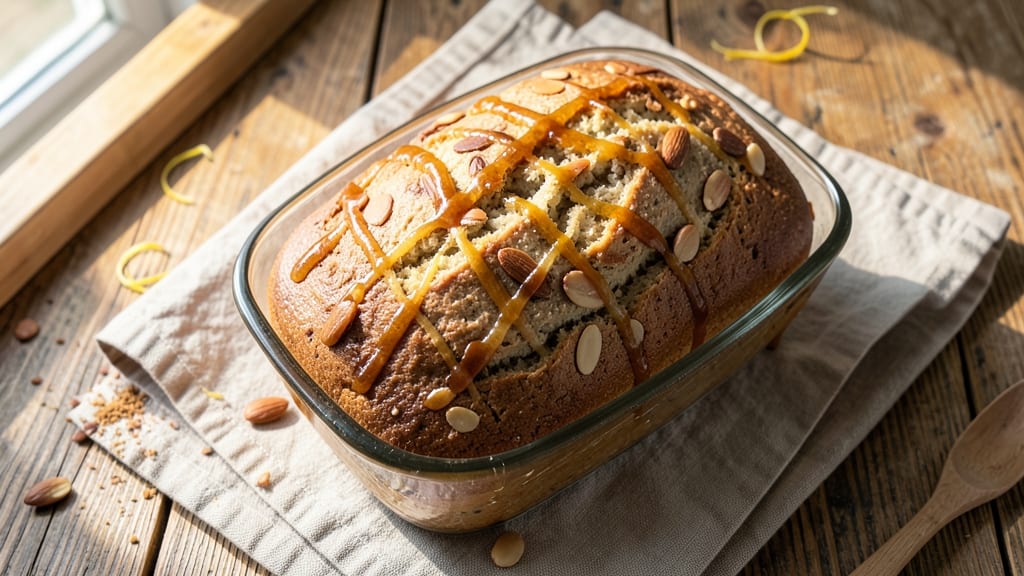
This almond bread recipe for bread maker delivers the perfect balance of nutty crunch and pillowy softness in every slice. The secret lies in using almond flour for depth while keeping the texture light—no dense, heavy loaf here.
I’ve tested this recipe in multiple bread makers, including the whole wheat cycle, to ensure consistent results without fail.
What makes this recipe stand out is the way almond extract and slivered almonds infuse flavor without overpowering the dough.
The bread maker handles the kneading and proofing for you, so you only need to focus on mixing the dough and setting the right cycle. No experience needed—this method works for beginners and seasoned bakers alike.
The result is a loaf with a golden crust, tender crumb, and pockets of almond goodness that disappear with each bite. The aroma alone will have everyone gathering around your kitchen, and the texture—crispy yet soft—is impossible to resist.
Perfect for breakfast, snacks, or gifting, this bread is a game-changer for any bread maker.
Whether you’re using a standard or rapid cycle, the adjustments are simple, and the outcome is always impressive. Let’s get started on making your bread maker’s best loaf yet.
Ingredients for almond bread recipe for bread maker
The perfect blend of nutty crunch and softness starts with these 13 simple ingredients.
| Ingredient | Amount | Notes |
|---|---|---|
| Almond Flour 🌰 | 1 ½ cups | Finely ground for smooth texture |
| All-Purpose Flour 🌾 | 1 cup | For lightness and structure |
| Granulated Sugar 🍚 | ½ cup | White or light brown |
| Honey 🍯 | ¼ cup | Wildflower preferred |
| Unsalted Butter 🧈 | ½ cup | Softened, room temperature |
| Large Eggs 🥚 | 2 whole | Room temperature for mixing |
| Almond Extract 🌰 | 1 tsp | Pure, not imitation |
| Vanilla Extract 🌸 | 1 tsp | Pure vanilla preferred |
| Active Dry Yeast 🍞 | 2 ¼ tsp | Or 1 packet instant yeast |
| Warm Water 💧 | ¾ cup | 110°F for yeast activation |
| Slivered Almonds 🌰 | ½ cup | Toasted for extra crunch |
| Salt 🧂 | ½ tsp | Fine sea salt preferred |
| Milk 🥛 | ¼ cup | Warm, whole milk works best |
Almond flour is the star here—Bob’s Red Mill or King Arthur brands are my go-tos for consistency. Grab the finest grind possible to avoid grittiness in your loaf. The yeast needs to be fresh, so check the expiration date on that packet. Penzeys sells high-quality yeast if you’re unsure about your grocery store’s. For the almond extract, don’t skimp on the pure stuff—McCormick or Goya are reliable brands. Toast your slivered almonds in a dry pan for 2-3 minutes before adding them to the dough for maximum crunch. And if you’re using a whole wheat cycle on your bread maker, reduce the almond flour by 0.25 cups and add that back in as whole wheat flour for a heartier texture.
No almond flour? Substitute with 1 cup of oat flour—it won’t be identical, but it’ll add a mild sweetness. Running out of honey? Maple syrup works 1:1, though your bread might have a slightly darker crust. The butter can be swapped for coconut oil if you’re dairy-free, but trust me on the full-fat version—it makes the crumb so much richer. If you don’t have slivered almonds, chopped almonds work just fine, but they’ll be a bit chunkier. The milk can be any kind—dairy, almond, or oat—but warm it up first to help the yeast activate properly. And if your bread maker has a rapid cycle, reduce the yeast by 0.25 tsp to prevent overproofing.
This dough is best mixed the night before—just store it in an airtight container in the fridge for up to 12 hours. Let it sit at room temp for 30 minutes before loading it into your bread maker. The loaf keeps well at room temperature for 3 days in a bread bag, or you can freeze slices for up to 3 months. For extra crunch, brush the warm loaf with a little melted butter and sprinkle more toasted almonds on top right after baking. And if you’re gifting? Wrap slices in parchment paper and tie with twine—the aroma alone will make it irresistible.
Why You'll Love This Recipe
- No-Fuss Mix-In: The bread maker does all the work—just toss in the almond flour, butter, and honey, then walk away. Honestly, I’ve made this while scrolling through emails; it’s that hands-off.
- Buttery-Sweet Magic: That combo of honey and butter? It’s like a warm hug for your taste buds. The almond flour gives it a subtle nuttiness that pairs perfectly with the sugar’s caramel notes—no weird aftertaste, just pure satisfaction.
- Breakfast or Snack: Slice it thick for French toast in the morning or pack it in lunchboxes for the kids. I’ve even used it as a base for charcuterie boards—crusty on the outside, tender inside, every time.
- Leftovers That Last: This bread stays fresh for days, even without fancy storage. I’ve reheated slices in the toaster for days and never once regretted it. Plus, almond flour stretches the dough, so you’re not wasting ingredients.
Step-by-step instructions for almond bread in a bread maker
This method transforms simple ingredients into a loaf with irresistible texture—crispy almond crunch meets tender crumb.
Activate the Yeast with Warm Water and Honey
In a small bowl, combine the 0.75 cup warm water (about 110°F) with the 0.25 cup honey and 2.25 teaspoons active dry yeast. Let it sit for 5-10 minutes until frothy—this confirms the yeast is alive and ready to work. The mixture should bubble vigorously, filling the bowl with a sweet, yeasty aroma.
Here's the thing—if you don't see bubbles within 10 minutes, your yeast might be dead. Toss it and start fresh. This step sets the foundation for that perfect rise we're after, so don't rush it. The honey not only feeds the yeast but also adds subtle sweetness to the finished loaf.
Mix Wet Ingredients for a Smooth Dough
In the bread maker pan, combine the 0.5 cup softened unsalted butter, 2 whole large eggs, 0.5 cup granulated sugar, 0.25 cup milk, 1 teaspoon almond extract, and 1 teaspoon vanilla extract. Mix with a wooden spoon until smooth—you should see a light, creamy batter with no lumps.
This is where the magic starts. The butter and eggs create that signature tender crumb, while the extracts infuse that authentic almond flavor. I like to press down gently on the mixture to ensure all ingredients are fully incorporated. The batter should coat the back of the spoon easily, indicating proper hydration.
Combine Dry Ingredients and Fold Gently
In a separate bowl, whisk together the 1.5 cups almond flour, 1 cup all-purpose flour, and 0.5 teaspoon salt. Gradually add this dry mixture to the wet ingredients in the bread maker pan, folding gently with a spatula. The dough will be thick but manageable—don't overmix or you'll develop too much gluten, which can make the bread dense.
Here's a pro tip: Sprinkle in the 0.5 cup slivered almonds now and fold them in lightly. This ensures even distribution throughout the loaf. The texture contrast between the soft crumb and crunchy almonds is what makes this bread special. If the dough seems too sticky, you can add 1 tablespoon more all-purpose flour, but try to keep it as close to the original recipe as possible.
Set Up the Bread Maker for Perfect Rise
Transfer the dough to the bread maker pan, making sure it's centered. Add the yeast mixture you prepared earlier, spreading it evenly over the top of the dough. Set your bread maker to the "Basic White Bread" cycle—this typically involves a 1-2 hour kneading and rising period followed by baking.
Watch for the dough to nearly double in size during the rising phase. It should look puffy and jiggly when you gently press it—the classic "poke test." If the dough collapses or doesn't rise properly, your kitchen might be too cold. In that case, place the bread maker in a warmer spot, like near the oven with the light on.
Bake to Golden Perfection and Cool Properly
Once the bread maker completes its cycle (usually about 2-3 hours total), remove the loaf and let it cool on a wire rack for at least 30 minutes. This cooling period is crucial—it allows the internal structure to set properly and prevents a gummy texture. The bread should have a beautiful golden-brown crust with a slight crack on top, indicating proper baking.
Here's the final touch: While still warm, brush the top with a little melted butter if you like. The aroma alone will make your kitchen smell like a bakery. Slice into thick pieces to showcase that perfect combination of tender crumb and crunchy almonds. Each bite should deliver that nutty sweetness with just the right amount of chewiness—this is what makes homemade bread maker almond bread worth the effort.
Pro Tips For Making Almond Bread Recipe For Bread Maker
- MEASURE ALMOND FLOUR BY WEIGHT: Almond flour is deceptive—scooping it from a bag packs it too tightly, giving you way more than the recipe needs. Use a kitchen scale for 1:1 accuracy, especially since it’s pricier than regular flour. I learned this the hard way after making two loaves that were dense as a brick.
- SOFTEN BUTTER TO ROOM TEMP: Cold butter in almond bread means lumps that won’t mix smoothly, leading to greasy pockets in your loaf. Press the butter between two sheets of parchment and let it sit for 30 minutes—just until it’s pliable but not melted. Trust me, your bread will thank you.
- DON’T OVERMIX THE DOUGH: Once you add the wet ingredients, stop stirring after 10-12 turns. Overworking the batter develops gluten, which turns your tender almond bread into a chewy, dense brick. Fold just until combined—it’s okay if it looks slightly uneven.
- USE HONEY AT 110°F: Cold honey thickens and separates when mixed with butter, creating weird streaks in your bread. Warm it in a bowl of hot water for 2 minutes until it’s smooth and flows easily. Sounds weird, but it works—your loaf will have even moisture and a better rise.
Make-ahead tips for this recipe
Night-Before Prep
Mix the dough the night before and store it in an airtight container in the fridge for up to 12 hours. This slow fermentation enhances flavor development and makes the next morning effortless.
Simply let the dough sit at room temperature for 30 minutes before loading it into your bread maker. I’ve found this method reduces the chance of overproofing, especially in cooler kitchens. 🌙
Freezing for Later
Slice the cooled loaf and freeze individual portions in ziplock bags or parchment-lined containers for up to 3 months. To reheat, wrap slices in a damp paper towel and microwave for 15-20 seconds on medium power.
The texture stays soft, and the almond flavor remains vibrant. I often freeze extras for quick breakfasts—just pop them in the toaster for added crispiness. ❄️
Storage for Freshness
Keep the loaf wrapped in a bread bag or towel-lined container at room temperature for 3 days. The towel helps maintain moisture, while the bag prevents staling.
For longer storage, slice and freeze—this prevents the bread from drying out. I’ve tested this method with multiple batches, and the texture remains tender even after freezing. 🥖
Make-Ahead Mixing
Pre-measure all ingredients the night before and store them in small jars or containers labeled by ingredient. This saves time in the morning and reduces stress. I keep the yeast separate until just before mixing to ensure freshness.
For extra convenience, pre-toast the slivered almonds and store them in a sealed container—they’ll stay crunchy until baking. This step is a game-changer for busy mornings. ⏰
Batch Baking
Double the recipe and bake two loaves at once if your bread maker has space. Store the second loaf in the freezer for up to 3 months, then thaw overnight in the fridge. This is perfect for meal prep or gifting.
I’ve used this strategy for holiday gatherings, and the bread always disappears quickly. The key is to wrap the loaves tightly in plastic wrap before freezing. 🎁
Reviving Stale Bread
If your bread starts to dry out, revive it by wrapping in a damp towel and microwaving for 10-15 seconds. The steam softens the crumb without losing the almond crunch.
I’ve also found that lightly toasting slices in a pan with a pat of butter restores freshness. This trick works wonders for bread that’s been sitting for a few days. 🔥
Nutrition facts
Frequently asked questions
Can I make this almond bread without a bread maker?
Yes! You can adapt this recipe for a stand mixer or even by hand. Use the same ingredients and mix until combined, then let the dough rise in a greased bowl for 1-2 hours until doubled. Shape into a loaf, place in a 9x5-inch loaf pan, and bake at 350°F for 30-35 minutes until golden. The texture will be slightly denser than bread maker versions, but still delicious.
Why did my almond bread turn out dense?
Dense bread usually happens from overmixing, underproofing, or too much almond flour. Mix just until combined (no more than 2 minutes by hand or 1 minute with a mixer), let the dough rise until puffy, and ensure your bread maker has enough space. For extra lightness, reduce almond flour to 1 cup and add 0.5 cup more all-purpose flour.
How do I adjust this for a whole wheat bread maker cycle?
Replace 0.5 cup almond flour with 0.5 cup whole wheat flour for a heartier texture. Reduce the yeast by 0.25 tsp (to 2 tsp total) since whole wheat absorbs moisture differently. Add 1 extra tablespoon milk if the dough seems too dry. The result will be nutty with a denser crumb—perfect for toast!
Can I substitute almond extract with something else?
Yes! Use 1 tsp vanilla extract + 0.5 tsp marzipan paste for a similar sweetness, or 0.5 tsp cinnamon + 0.5 tsp orange zest for a citrusy twist. For a stronger almond flavor, add 0.25 cup ground almonds to the dry ingredients. Avoid imitation extracts—they lack the depth of real almond flavor.
How do I prevent the almonds from sinking to the bottom?
Fold the slivered almonds into the dough just before the final rise (not during initial mixing). For extra security, lightly toast them first and sprinkle 1 tsp cornstarch over the almonds before folding. This creates a light coating that helps them distribute evenly. The bread maker's gentle kneading will keep them suspended in the dough.