
Side Dishes
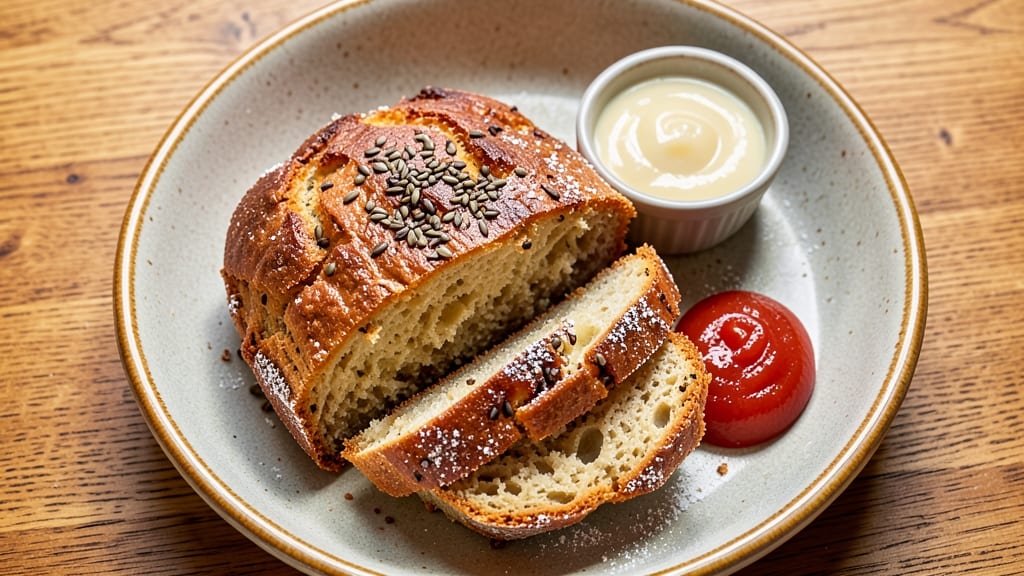
This almond flour and coconut flour bread recipe delivers a surprisingly light, airy loaf that rivals traditional bread—without gluten, grains, or dairy. The secret lies in the precise ratio of these flours and a hydration technique that creates that signature soft crumb.
After years of perfecting this recipe, I’ve finally cracked the code for a bread that slices beautifully and toasts perfectly.
The magic begins with the flour blend—almond flour provides structure and richness, while coconut flour absorbs moisture like a sponge, requiring careful hydration. We’ll use a combination of applesauce and flax eggs to bind everything together without heaviness.
The result? A loaf with a tender crumb and just enough chew, perfect for sandwiches or toast.
Baking time is about 45 minutes at 350°F, yielding a golden-brown loaf that’s easy to slice and serves 8-10 people. The texture stays fresh for days when stored properly, and it reheats beautifully. For extra flavor, consider adding chia seeds or cinnamon to the batter—simple but transformative.
This recipe is ideal for those avoiding gluten, grains, or dairy, yet it doesn’t compromise on taste or texture. Whether you’re baking for dietary needs or simply exploring new flours, this bread will become a staple in your kitchen. Let’s get started on creating your perfect loaf.
Ingredients for almond flour and coconut flour bread
The precise flour blend and hydration technique make this bread light and airy without gluten or dairy.
| Ingredient | Amount | Notes |
|---|---|---|
| Almond Flour 🌰 | 2 cups | Finely ground, blanched preferred |
| Coconut Flour 🥥 | ¼ cup | Sifted for even distribution |
| Applesauce 🍎 | ½ cup | Unsweetened, smooth texture |
| Ground Flaxseed 🌾 | 3 tbsp | For flax eggs, freshly ground |
| Water 💧 | 9 tbsp | Divided for flax eggs |
| Baking Powder 🍞 | 1 tsp | Aluminum-free for best flavor |
| Salt 🧂 | ½ tsp | Diamond Crystal preferred |
| Cinnamon 🌿 | ½ tsp | Ground, for subtle warmth |
| Psyllium Husk Powder 🌾 | 1 tbsp | Key for moisture retention |
| Olive Oil 🫒 | ¼ cup | Extra-virgin, for richness |
| Vanilla Extract 🌸 | 1 tsp | Pure, high-quality preferred |
| Maple Syrup 🍁 | 2 tbsp | Grade B for depth of flavor |
The almond flour is the foundation—Bob’s Red Mill or Anthony’s Goods brands deliver consistent results. Coconut flour absorbs moisture aggressively, so sifting it first prevents clumping. For the flax eggs, use freshly ground flaxseed; pre-ground loses potency quickly. The psyllium husk powder is non-negotiable—it creates that signature chewy texture without heaviness. When shopping, check labels for additives; pure, single-ingredient flours yield the best results. The olive oil should be extra-virgin—the fruity notes elevate the bread’s subtle sweetness, while cheaper oils can taste flat.
No applesauce? Unsweetened applesauce substitute or mashed banana works in a pinch, though texture may vary slightly. Short on psyllium husk? Ground chia seeds at double the amount provide similar binding, though the crumb will be slightly denser. For the maple syrup, Grade B offers richer flavor than Grade A, but either works. Coconut flour can be tricky—if your dough feels too dry, add an extra tablespoon of water. The cinnamon is optional but recommended; it enhances the bread’s natural sweetness without overpowering. For a nut-free version, swap almond flour for sunflower seed flour, though texture will differ.
This bread stays fresh for 3-4 days at room temperature wrapped in a clean kitchen towel, or 5 days in an airtight container. For longer storage, freeze individual slices wrapped in parchment paper—they’ll reheat beautifully in a toaster or oven. The dough can be mixed 24 hours ahead and refrigerated, but let it sit at room temperature for 30 minutes before baking to improve texture. Leftovers can be toasted twice for extra crispiness, though the first toast is always the best.
Why You'll Love This Recipe
- Five-Ingredient Magic: I swear, this bread comes together with just almond flour, coconut flour, applesauce, flaxseed, and water. No yeast, no kneading, no waiting—just mix, pour, and bake. Honestly, the hardest part is deciding whether to make a loaf or muffins first.
- Nutty-Sweet Comfort: That applesauce keeps it moist without tasting like dessert, while the almond flour gives it a rich, buttery depth. Between us, it’s the kind of bread that makes toast taste like a treat—no weird aftertaste, just pure satisfaction.
- Meal Prep MVP: Slice it fresh, and it’s perfect for sandwiches, but toast it? It’s a breakfast hero. I’ve packed it in lunches, frozen slices for quick toast later, and even crumbled it over salads. Works for adults, kids, and anyone who forgets to eat until noon.
- Budget-Friendly Staple: Almond and coconut flour might sound fancy, but they stretch further than regular bread. A single batch feeds my family for days, and the flaxseed adds fiber without breaking the bank. Plus, no wasted dough balls or day-old sadness—this stays fresh or freezes like a champ.
Step-by-step instructions for almond flour and coconut flour bread
This method delivers a surprisingly light, airy loaf using only gluten-free flours—no substitutions, no compromises.
Create Flax Eggs and Combine Wet Ingredients
In a small bowl, whisk together the 3 tablespoons ground flaxseed with 9 tablespoons water. Let this mixture sit for 5 minutes until it thickens into a gel-like consistency—this is your flax egg, the perfect binder for gluten-free baking. The texture should resemble raw egg whites but thicker.
In a separate large bowl, combine the 0.5 cup applesauce, 0.25 cup olive oil, 1 teaspoon vanilla extract, and 2 tablespoons maple syrup. Whisk vigorously for 1 minute until fully emulsified. This step ensures even distribution of moisture and sweetness throughout the batter, which is critical for achieving that tender crumb in gluten-free bread.
Mix Dry Ingredients and Incorporate Wet Components
In a medium bowl, sift together the 2 cups almond flour and 0.25 cup coconut flour. This sifting step prevents clumping and ensures even distribution of the finer coconut flour particles. Add the 1 teaspoon baking powder, 0.5 teaspoon salt, 0.5 teaspoon cinnamon, and 1 tablespoon psyllium husk powder to the dry mixture and whisk thoroughly.
The psyllium husk powder is particularly important here—it acts as a moisture retainer and helps create that signature bread-like texture. Add the wet ingredients to the dry mixture and stir gently with a spatula until just combined. Avoid overmixing, as this can develop gluten-like properties in the almond flour and result in a dense loaf.
Prepare the Loaf Pan and Bake
Preheat your oven to 350°F. Lightly grease an 8x4-inch loaf pan with olive oil or line it with parchment paper to prevent sticking. Pour the batter into the prepared pan and smooth the top with a spatula. Tap the pan gently on the counter 3-4 times to eliminate any air bubbles that may have formed during mixing.
Bake for 45-50 minutes until the top is golden brown and a toothpick inserted into the center comes out clean. The internal temperature should reach 205-210°F for a perfectly baked loaf. If the top browns too quickly, tent the pan with aluminum foil to prevent over-browning while ensuring the interior cooks through evenly.
Cool and Slice for Maximum Freshness
Remove the loaf from the oven and transfer it to a wire rack to cool for 15 minutes. This initial cooling period allows the bread to set slightly, making it easier to handle without falling apart. After cooling, carefully remove the bread from the pan if you used parchment paper, or gently loosen the edges with a butter knife if you greased the pan.
Let the bread cool completely on the wire rack for another 30-45 minutes before slicing. The bread will firm up as it cools, making it easier to achieve clean slices. For the best texture, serve within 2 days or store in an airtight container in the refrigerator for up to 5 days. If you prefer a softer texture, lightly toast slices before serving.
Pro Tips For Making Almond Flour And Coconut Flour Bread
- Mix the flours first: I learned this the hard way—coconut flour absorbs everything if you don’t handle it right. Whisk the almond flour and coconut flour together dry before adding liquids, or you’ll end up with a gummy mess instead of a light crumb.
- Use warm applesauce: Cold applesauce makes the dough stiff and can leave your bread dense. Warm it slightly (just until it’s hand-hot) before mixing—it blends smoother and helps the flaxseed gel properly. (Yes, even if you’re impatient like me.)
- Don’t overmix the batter: This isn’t cake batter—aggressive stirring develops gluten-like bonds in almond flour, and your bread will turn out tough. Mix just until combined, then stop. A few small lumps are better than a rubbery loaf.
- Bake until golden, not just set: The edges might look done at 325°F, but the center can stay gummy. Crack the oven door after 30 minutes and check for a deep golden crust—if it’s still pale, give it another 5-10 minutes. (Your future self will thank you.)
Make-ahead tips for this almond flour and coconut flour bread
Dough Prep Ahead
Mix the entire dough up to 24 hours in advance and store it in an airtight container in the refrigerator. The cold helps the coconut flour absorb moisture more evenly, preventing dryness.
When ready to bake, let the dough sit at room temperature for 30 minutes before pouring into your pan. This adjustment improves texture by allowing the psyllium husk to fully hydrate and activate. 💡
Freezer-Friendly Loaves
This bread freezes beautifully for up to 3 months—slice it first, then wrap individual portions in parchment paper and place them in a freezer bag. When reheating, toast directly from frozen in a toaster or warm in the oven at 300°F for 8-10 minutes until crispy.
The texture remains fresh, making this ideal for meal prep. Label bags with the date to track freshness.
Storage Secrets
For room-temperature storage, wrap the cooled loaf in a clean kitchen towel instead of plastic. The towel allows the bread to breathe slightly, preventing condensation that can make it soggy. Store in a cool, dark place for 3-4 days.
If storing in an airtight container, add a slice of apple to absorb excess moisture and extend freshness by 1 extra day. ✨
Reheating Like a Pro
To revive stale slices, place them in a 350°F oven for 5-7 minutes with a few drops of water sprayed on top. The steam helps restore moisture without making the bread gummy.
For a crispier texture, use a toaster set to medium heat—just 20-30 seconds per side. Avoid microwaving, as it can turn the bread rubbery.
Batch Baking Tips
Double the recipe for two loaves, but reduce baking time by 5 minutes per loaf since they’ll be slightly thinner. Use two 8x4-inch pans or one 9x5-inch pan for a larger batch.
For even cooking, rotate pans halfway through baking. Label baked loaves with the date—they’ll stay fresh for 5 days refrigerated or 3 months frozen.
Gift-Worthy Packaging
Slice the cooled loaf into ½-inch thick pieces and wrap individually in parchment paper tied with twine. Place slices in a decorative box or basket lined with a cloth napkin. Add a handwritten note with reheating instructions for a thoughtful gift.
The bread’s long shelf life makes it perfect for shipping—just pack with an ice pack if sending through mail. 💛
Nutrition facts
Frequently asked questions
Why does this bread use both almond and coconut flour?
Almond flour provides structure and richness while coconut flour absorbs moisture like a sponge—this combination creates a light, airy crumb without gluten. The almond flour gives that familiar bread texture, while the coconut flour helps bind everything together without heaviness. Together, they mimic traditional bread's characteristics in a completely grain-free way!
Can I make this bread without psyllium husk?
Yes, but the texture will be denser. Replace the 1 tablespoon psyllium husk with 2 tablespoons ground chia seeds mixed with 3 tablespoons water (let sit for 5 minutes to gel). The chia acts as a binder but won't provide the same moisture retention. For best results, stick with psyllium—it's the secret to that perfect bread-like texture!
Will this bread be crumbly or dense?
When made correctly, this bread should be tender with a slightly chewy texture—not crumbly! The key is proper hydration (don't skip the applesauce) and avoiding overmixing. If your dough feels too dry, add 1 extra tablespoon of water to the wet ingredients. The psyllium husk and careful cooling process prevent crumbling while maintaining that soft crumb.
How do I prevent the bread from sticking to the pan?
Line your 8x4-inch loaf pan with parchment paper or grease it thoroughly with olive oil. Tap the pan gently on the counter 3-4 times after pouring the batter to remove air bubbles. For extra insurance, dust the bottom with ½ teaspoon coconut flour before adding the batter. Never overgrease—just enough to prevent sticking is perfect!
Can I add seeds or sweeteners to this recipe?
Try adding 2 tablespoons chia seeds, 1 tablespoon sunflower seeds, or ½ cup chopped walnuts to the batter for extra crunch. For sweeteners, swap the maple syrup for 2 tablespoons honey (if not vegan) or 1 tablespoon monk fruit sweetener. Just reduce other liquids by 1 tablespoon if adding wet ingredients like extra applesauce.