
Side Dishes
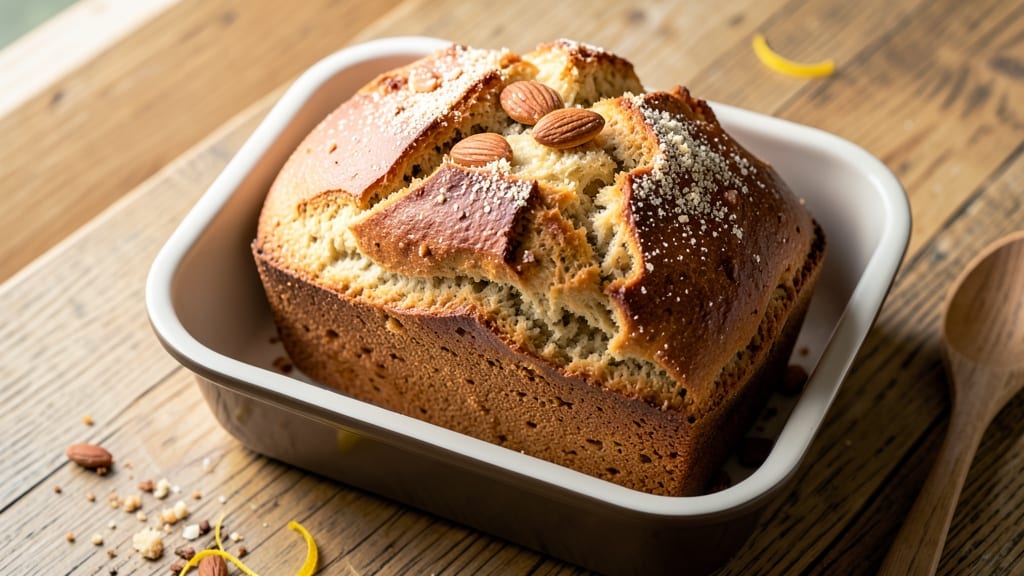
This gluten-free almond flour bread machine recipe transforms your daily loaf into a nutty, moist masterpiece that rivals traditional bread—without the gluten. The secret lies in almond flour's natural moisture retention and subtle crunch, creating a light crumb that's perfect for sandwiches or toast.
I've perfected this recipe after years of gluten-free baking trials, ensuring it works reliably in any bread machine model.
What makes this recipe stand out is the careful balance of hydration and almond flour's binding properties. Unlike traditional bread dough, gluten-free batters require precise measurements and gentle handling to avoid dense results.
The bread machine's dough cycle handles the kneading for you, while the bake cycle develops that signature nutty aroma and golden crust.
By the time your bread machine finishes, you'll have a loaf with a satisfying crunch from the almond flour and a tender crumb that's surprisingly soft for a gluten-free bake.
The nutty flavor pairs beautifully with butter or jam, and it freezes well for up to three months—ideal for meal prep or gifting.
For those with nut allergies, consider substituting with a gluten-free oat flour blend, though texture may vary slightly. The recipe's flexibility also allows for sweet variations by adding honey or cinnamon. Let's get started on your first perfect gluten-free loaf!
Ingredients for almond flour bread machine recipe gluten free
Transform your bread machine into a gluten-free nutty masterpiece with these carefully balanced ingredients.
| Ingredient | Amount | Notes |
|---|---|---|
| Almond Flour 🌰 | 2 ½ cups | Finely milled, blanched preferred |
| All-Purpose Gluten-Free Flour Blend 🌾 | ½ cup | Like Bob's Red Mill 1:1 |
| Granulated Sugar 🍚 | ¼ cup | Or coconut sugar for refined option |
| Active Dry Yeast 🍞 | 1 ½ tsp | Ensure freshness by testing in warm water |
| Unsalted Butter 🧈 | ½ cup | Cold, cubed for even distribution |
| Large Eggs 🥚 | 2 whole | Room temperature for best mixing |
| Warm Water 💧 | ¾ cup | 110°F for optimal yeast activation |
| Apple Cider Vinegar 🍎 | 1 tbsp | Or white vinegar in equal amount |
| Salt 🧂 | ½ tsp | Diamond Crystal preferred |
| Ground Cinnamon 🌿 | ½ tsp | Optional for sweet variation |
| Honey 🍯 | 1 tbsp | Or maple syrup for vegan option |
| Sesame Seeds 🌻 | 1 tbsp | Optional for topping |
Almond flour is the star here—Bob's Red Mill or Anthony's Goods are my go-tos for consistent texture. The blend needs to be finely milled to avoid grittiness, so check the packaging. For the yeast, Fresh Start from the baking aisle is my secret weapon—it activates faster. Warm water is critical: too hot kills yeast, too cold slows it down. I always test mine with a thermometer to hit 110°F. The butter should be cold when added to prevent over-mixing, though it'll melt during the dough cycle. For the gluten-free flour blend, Bob's Red Mill 1:1 is the most reliable for bread machines—it mimics wheat flour's structure best.
No almond flour? Oat flour or a gluten-free oat blend works in a pinch, though texture will be denser. Substituting the honey? Maple syrup or agave at the same amount keeps it vegan-friendly. The eggs bind everything together, but if you're avoiding them, flax eggs (2 tbsp ground flax + 6 tbsp water per egg) work well. For the vinegar, lemon juice is a 1:1 swap. The cinnamon and honey are optional but elevate the nutty flavor—skip them for a more neutral loaf. If your bread machine has a 'dough' cycle, use that first, then switch to 'bake' for the second half of the cycle. This two-step process mimics professional kneading and baking stages.
Store the loaf in an airtight container at room temperature for up to 3 days—it stays fresh surprisingly well. For longer storage, slice and freeze portions for up to 3 months. The nutty flavor actually improves after freezing. To revive, toast slices in a toaster or warm in a 350°F oven for 5-10 minutes. This bread reheats beautifully, making it perfect for meal prep. If you make extra, gift it wrapped in parchment—it's a showstopper for holidays or housewarming gifts. The sesame seeds on top add crunch but can be omitted if you prefer a smoother crust.
Why You'll Love This Recipe
- Bread Machine Magic: I swear by my bread machine for this—just toss in the ingredients, press start, and walk away. The almond flour gives it a tender crumb without the fuss of hand-kneading, and the gluten-free blend handles the structure like a champ.
- Butter-Soft Crumb: That combo of almond flour and butter? It’s like eating a cloud with a hint of nuttiness. The sugar caramelizes just enough to give it a subtle sweetness, but don’t worry—it’s not cloying. It’s the kind of bread that makes you pause mid-slice.
- Breakfast to Brunch: Honestly, this bread is my go-to for toast, French toast, or even a quick sandwich. The texture holds up to eggs and cheese, and it’s the star of my lazy weekend brunch spread. (Yes, even on a Tuesday night.)
- Zero-Waste Leftovers: Between us, this bread lasts forever in the fridge, and the slices toast up perfectly for days. I’ve even frozen it—just thaw and enjoy. Plus, the almond flour means you’re not left with sad, stale gluten-filled loaves. Practical? Absolutely. Delicious? Even more so.
Step-by-step instructions for almond flour bread machine recipe
Transform simple ingredients into a gluten-free loaf with perfect texture and nutty flavor.
Prepare the Yeast Mixture
In a small bowl, combine the 0.75 cup warm water (about 110°F) with the 1.5 tsp active dry yeast and 1 tbsp apple cider vinegar. Let it sit for 5 minutes until frothy. This step activates the yeast and ensures proper rise. If the mixture doesn't bubble, your yeast may be inactive—start fresh with new yeast.
While waiting, whisk the 2 whole large eggs in a separate bowl until fully combined. This prevents lumps in the dough later. I always use room-temperature eggs for better emulsification with the fats. If your eggs are cold, let them sit at room temperature for 30 minutes before using.
Mix Dry Ingredients Thoroughly
In the bread machine pan, combine the 2.5 cups almond flour with the 0.5 cup all-purpose gluten-free flour blend, 0.25 cup granulated sugar, 0.5 tsp salt, and 0.5 tsp ground cinnamon. Use a whisk to break up any lumps and ensure even distribution. The almond flour should be finely milled for the best texture—if it's coarse, pulse it briefly in a food processor first.
Make a well in the center and pour in the yeast mixture and whisked eggs. Add the 0.5 cup unsalted butter, cut into small cubes, and the 1 tbsp honey. The butter should be cold to prevent overmixing and maintain structure. Use a rubber spatula to gently fold everything together until just combined—overmixing develops gluten and makes the bread dense.
Set Bread Machine Parameters
Transfer the dough to your bread machine pan and scrape any remaining mixture from the bowl. Add the 1 tbsp sesame seeds on top for texture and visual appeal. Select the "Basic White Bread" setting on your machine—this typically uses a 2-hour cycle with a 10-minute kneading phase followed by rising and baking.
If your machine has a weight setting, choose "Light" since almond flour dough is denser than traditional wheat flour. The machine will handle the kneading, rising, and baking automatically. Here's the thing—almond flour dough behaves differently than wheat flour, so don't be alarmed if it doesn't look like traditional bread dough. It should be thick and sticky rather than smooth and elastic.
Monitor and Adjust for Perfect Texture
About 15 minutes into the cycle, the machine will begin kneading. The dough may appear wet and shaggy, but resist the urge to add more flour—this is normal with almond flour. After 30 minutes, check if the dough has risen significantly. If it hasn't, the yeast may need more time to activate, or the water temperature might have been too cool.
When the machine finishes its cycle, remove the bread immediately and let it cool on a wire rack for at least 1 hour. The internal temperature should be below 120°F before slicing. Almond flour bread continues to set as it cools, so patience here prevents a gummy texture. For the best results, slice when the bread is completely cool—this gives you that perfect light crumb and nutty flavor we're after.
Pro Tips For Making Almond Flour Bread Machine Recipe Gluten Free
- Mix Butter Last: Add the softened butter to the bread machine’s dough hook after the first knead cycle completes. I learned this the hard way—adding it early turns your dough into a greasy mess that won’t rise properly. The machine will incorporate it perfectly during the second knead, giving you a tender crumb without overworking the gluten-free flours.
- Pulse Almond Flour First: Before adding any liquids, pulse the almond flour in the bread machine pan for 10-15 seconds. This breaks up clumps and ensures even hydration, which is non-negotiable with gluten-free baking. Skipping this step leads to dense pockets in your bread—trust me, your toast will thank you.
- Skip the Overproofing: Gluten-free dough rises slower, so resist the urge to let it proof longer than the machine’s suggested time. Overproofing turns your loaf gummy, especially with almond flour’s natural oils. If unsure, check for a puffy dome before the timer ends—better to underproof than ruin a batch.
- Chill the Yeast Mix: Mix the yeast with warm water and a pinch of sugar, then let it sit for 5 minutes in the bread machine’s pan before adding dry ingredients. This head start guarantees consistent fermentation, which is crucial when blending almond flour (a finicky ingredient) with gluten-free flours. Cold water? Nope—yeast needs warmth to wake up.
Perfect pairings for this dish
Sweet Spreads
This almond flour bread pairs beautifully with honey butter—mix 2 tbsp softened butter with 1 tbsp local honey and a pinch of salt. The nutty crumb soaks up the sweetness perfectly.
For a tangy twist, try fig jam or raspberry preserves—their acidity balances the richness. I keep a jar of Stellina raspberry jam in my fridge for this exact purpose. 🍯
Savory Complements
For a savory breakfast, top your toasted slices with whipped goat cheese and sliced pear—the creamy tang cuts through the nutty flavor. Another favorite is avocado mash with everything bagel seasoning and a drizzle of olive oil.
The almond flour's subtle crunch makes it ideal for open-faced sandwiches too. 🥑
Beverage Pairings
Warm chai tea with a splash of vanilla almond milk enhances the nutty notes in your bread. For coffee lovers, a light roast with cinnamon syrup adds warmth. If you prefer something cold, sparkling apple cider (like Martinelli's) complements the honey and cinnamon flavors beautifully. ☕
Meal Prep Uses
Slice the cooled loaf and store in an airtight container with sliced apples or peanut butter for quick grab-and-go snacks. The bread also makes amazing French toast—dip slices in an egg mixture with vanilla extract and cook in butter until golden.
For lunch, use it as a base for Mediterranean plates with hummus, olives, and cucumbers. 🥪
Dessert Twists
Drizzle warm bread with melted dark chocolate and crushed pistachios for a decadent dessert. Or, toast slices and use as a base for mini cheesecakes—spread with cream cheese mixture and bake until set. The almond flavor elevates both sweet and savory applications. 🍫
Global Variations
For a Moroccan-inspired twist, add 1 tsp cinnamon and ½ tsp cardamom to the dough, then serve with date paste and mint tea. A Japanese-inspired version swaps honey for mirin and tops with black sesame seeds—perfect with matcha latte.
These global flavors take your bread to new heights. 🌍
Nutrition facts
Frequently asked questions
Can I make this gluten-free bread without a bread machine?
Yes, you can adapt this recipe for a stand mixer or even hand-mixing! Use the same ingredients but follow a gluten-free bread method: mix wet and dry ingredients separately, combine gently, then let the dough rest for 1 hour before shaping and baking at 350°F for 35-40 minutes. The texture will be slightly denser without the bread machine's kneading cycle.
Why does my almond flour bread turn out dense?
Overmixing is the #1 culprit—almond flour doesn't develop gluten like wheat flour. Mix just until combined, and avoid adding extra flour during kneading. Also check your yeast (it should be fresh) and water temperature (110°F is ideal). If the dough seems too wet, try reducing the water by 1 tbsp next time.
How do I store leftovers to keep them fresh?
Wrap cooled slices in plastic wrap or store in an airtight container at room temperature for 3 days. For longer storage, slice and freeze portions for up to 3 months. To revive, toast in a toaster or warm in a 350°F oven for 5-10 minutes. The nutty flavor actually improves after freezing!
Can I substitute almond flour with another gluten-free flour?
You can try oat flour or coconut flour, but results will differ. Oat flour works best (1:1 ratio) but may be denser. Coconut flour requires extra eggs (2-3 tbsp water per ¼ cup flour) and more moisture. For texture closest to almond flour, use a 50/50 blend of oat and rice flour. Always adjust liquids accordingly.
What's the best way to test if my yeast is active?
Mix 1 packet yeast with ¼ cup warm water (110°F) and 1 tsp sugar. Wait 5-10 minutes—if it bubbles vigorously, your yeast is good to go! No bubbles? Try new yeast or check your water temperature. Cold water kills yeast, while water hotter than 120°F also deactivates it.