
Side Dishes
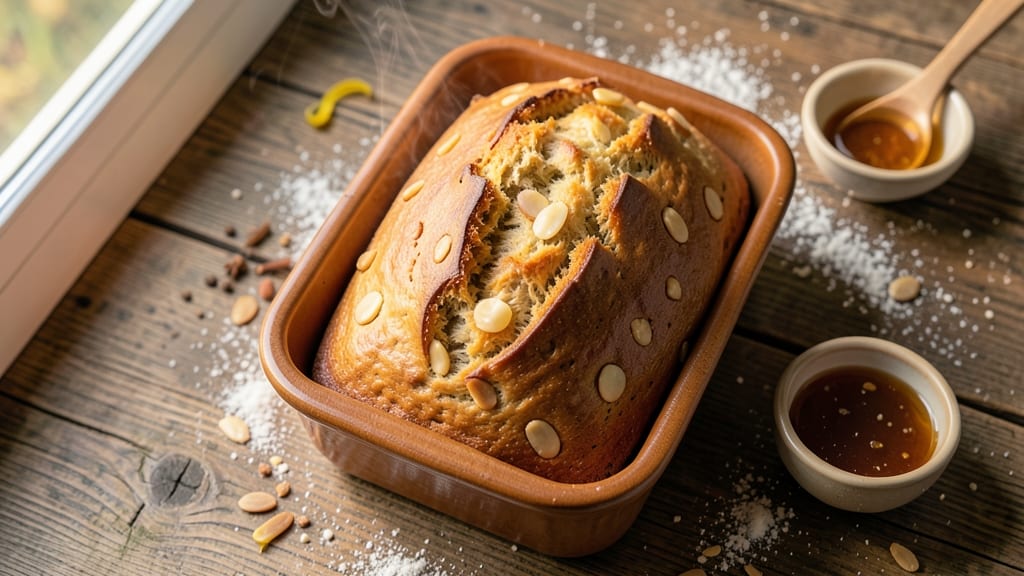
This almond paste bread recipe delivers a perfect balance of nutty sweetness and golden crust, transforming simple ingredients into a showstopping loaf. The secret lies in properly incorporating almond paste into the dough for even distribution, creating that signature tender crumb and delicate almond flavor in every bite.
Unlike store-bought versions, this homemade recipe lets you control the texture and sweetness levels precisely.
What sets this bread apart is its foolproof method for achieving both a crispy crust and moist interior—key for capturing that bakery-style texture at home.
The dough requires just 30 minutes of active prep time, followed by standard proofing and baking, making it accessible for home bakers of all skill levels. The almond paste adds natural sweetness without overpowering, while the crust develops a beautiful golden-brown finish that's irresistible.
Once baked, you'll have a loaf with a tender crumb and subtle almond aroma that lingers with every slice. This bread works beautifully as a dessert on its own, but it also pairs perfectly with tea or coffee for an elegant afternoon treat.
The recipe includes optional variations like citrus zest or honey for added depth of flavor, allowing you to customize it to your taste.
Perfect for special occasions or satisfying a sweet tooth, this almond paste bread proves that homemade can truly outshine store-bought. The process is straightforward, and the results are consistently impressive—making it a recipe worth adding to your rotation. Let's get started on creating your perfect loaf.
Ingredients for almond paste bread
Transforming simple pantry staples into a bakery-worthy almond paste loaf with golden crust and tender crumb.
| Ingredient | Amount | Notes |
|---|---|---|
| All-Purpose Flour 🌾 | 3 ½ cups | Sifted for light texture |
| Almond Paste 🥜 | 1 cup | High-quality, finely textured |
| Granulated Sugar 🍚 | ½ cup | For subtle sweetness |
| Active Dry Yeast 🍞 | 2 ¼ tsp | Freshly opened for best results |
| Warm Milk 🥛 | ¾ cup | Whole milk preferred (110°F) |
| Unsalted Butter 🧈 | ½ cup | Softened, not melted |
| Large Eggs 🥚 | 1 whole | Room temperature for even mixing |
| Vanilla Extract 🌸 | 1 tsp | Pure, high-quality extract |
| Salt 🧂 | ½ tsp | Diamond Crystal preferred |
| Orange Zest 🍊 | 1 tbsp | Optional, for citrus brightness |
| Honey 🍯 | 1 tbsp | For added moisture (optional) |
| Water 💧 | ¼ cup | Room temperature |
The almond paste is the star here—look for high-quality, finely textured varieties at specialty stores like Whole Foods or Williams Sonoma. The finely ground kind blends seamlessly into the dough, while pre-grated almonds can create uneven texture. I always grab the unsweetened version to control sweetness levels precisely. For the flour, King Arthur or Gold Medal brands work best—they're sifted for that light, airy texture. The yeast? Freshly opened is key—check the expiration date and make sure it's still bubbly when mixed with warm milk.
No almond paste? Homemade almond flour mixed with 2 tbsp sugar and 2 tbsp water works in a pinch, though texture may vary slightly. Whole milk can be swapped for 2% or skim, but the fat content helps create that tender crumb. Short on vanilla? Almond extract at half the amount adds depth without overpowering. The optional orange zest and honey are where you can get creative—lemon zest or maple syrup work beautifully too. For a richer dough, add 1 tbsp melted white chocolate to the butter mixture. Just remember: the almond paste is non-negotiable for that signature flavor.
This dough is a dream to work with—keep it covered at room temperature while shaping to prevent drying. Once baked, let it cool completely on a wire rack before slicing (trust me on this). The bread keeps beautifully for 3-4 days in an airtight container, though it's best enjoyed within 2 days for maximum freshness. For longer storage, freeze slices wrapped in parchment—they reheat perfectly in a 350°F oven for 5-7 minutes. The crust stays crispy, while the interior remains tender.
Why You'll Love This Recipe
- No-Fuss Mixing: I swear by the 5-minute knead—just toss in flour, almond paste, and yeast with warm milk, then let the dough do the work. No stand mixer required, and the almond paste sweetens the deal without extra effort.
- Sweet But Not Cloying: That almond paste adds a buttery, marzipan-like richness without overpowering, while the sugar caramelizes just enough to give every slice a subtle crunch. Honestly, it’s the kind of flavor that makes you reach for a second piece before you even finish the first.
- Breakfast or Snack Hero: Toast it for a buttery breakfast, slice it for dessert with jam, or pack it in lunches—it holds up everywhere. (Yes, even my picky teen grabs these when I forget to pack cookies.)
- Budget-Friendly Luxury: Almond paste might sound fancy, but a small jar stretches far, and the rest of the ingredients are pantry basics. I make a double batch on Sundays, freeze half, and still have something special for weeks.
Step-by-step instructions for almond paste bread
Here's how to craft a loaf that balances nutty richness with a perfect crust—every bite delivers.
Activate the Yeast and Mix Wet Ingredients
In a small bowl, whisk together the 0.75 cup warm milk (about 110°F), 2.25 tsp active dry yeast, and 1 tbsp honey. Let this sit for 5-10 minutes until it becomes frothy—this confirms your yeast is alive and ready to work. If it doesn't bubble, your yeast may be old, and you'll need to start over.
In a separate large bowl, combine the 0.5 cup softened unsalted butter, 1 whole large egg, 1 tsp vanilla extract, and 1 tbsp orange zest. Whisk vigorously until smooth and fully emulsified. The butter should be soft enough to mix easily but not melted—this ensures proper dough texture. I like to use a hand mixer here for about 30 seconds to incorporate air, which helps create a lighter crumb.
Combine Wet Mixture with Dry Ingredients
To the yeast mixture, add 0.5 cup granulated sugar and 0.5 tsp salt, then whisk until fully dissolved. This is your sweetener and flavor base—don't skip dissolving the sugar completely, or you'll end up with grainy pockets in your bread.
Gradually add the 3.5 cups sifted all-purpose flour and 1 cup almond paste to the wet ingredients. Mix with a wooden spoon or dough whisk until just combined—you should still see some dry flour streaks. Overmixing develops gluten and can make the bread dense. The almond paste will give the dough a slightly sticky texture, but don't worry—it's normal and essential for that signature nutty flavor.
Knead the Dough to Develop Gluten
Turn the dough onto a lightly floured surface and knead for 8-10 minutes by hand (or 5-6 minutes with a stand mixer using the dough hook). You're looking for a smooth, elastic dough that springs back when poked—this indicates proper gluten development. The almond paste makes the dough more tender than traditional bread dough, so it won't be as firm.
Shape the dough into a round loaf and place it in a lightly greased bowl. Cover with a damp towel and let it rise in a warm place for 1-1.5 hours, or until it has nearly doubled in size. The dough should feel light and airy when pressed gently. If your kitchen isn't warm enough, place the bowl near a turned-off oven with the light on to create warmth.
Shape and Proof the Loaf
Punch down the risen dough to release air, then shape it into a 9x5-inch loaf pan. Brush the sides of the pan with softened butter and dust lightly with flour to prevent sticking. This step ensures your bread has a professional finish and stays moist during baking.
Cover the loaf pan with a towel and let it proof for another 30-45 minutes until the dough rises about 1 inch above the pan. The top should look slightly domed and feel springy to the touch. Preheat your oven to 350°F during the final 15 minutes of proofing—this ensures your oven is ready for baking and helps create a better oven spring.
Bake to Golden Perfection
Bake the loaf for 45-50 minutes until the top is deep golden brown and an instant-read thermometer inserted into the center reads 190-195°F. The edges should pull away slightly from the pan, and you should smell that irresistible nutty aroma filling your kitchen.
Remove the bread from the oven and let it cool in the pan for 10 minutes, then transfer to a wire rack. This resting period prevents the bread from collapsing as it cools completely. For the best texture, slice it after 1 hour—this allows the crumb to fully set and the flavors to meld. Each slice should reveal a tender crumb with pockets of almond paste swirled throughout, offering both sweetness and crunch.
Pro Tips For Making Almond Paste Bread
- Chill the Dough: After kneading, let the dough rest in the fridge for at least 2 hours—overnight works even better. The almond paste is rich and can overwork the gluten if rushed, so this break keeps the texture tender and prevents a dense, chewy loaf.
- Toast the Almond Paste: Spread the almond paste on a baking sheet and toast it for 5–7 minutes at 350°F (175°C) before mixing into the dough. This deepens its nutty flavor and prevents the bread from tasting raw or overly sweet.
- Weigh the Yeast: Skip the "pinch" guesswork—use a scale for the yeast. Active dry yeast is finicky, and too little means sluggish rise; too much makes the bread taste bitter. Aim for 2¼ teaspoons (7g) for a 1-pound loaf.
- Brush with Milk: Before baking, lightly brush the shaped loaf with warm milk and sprinkle a pinch of sugar on top. The milk adds shine and a subtle sweetness, while the sugar caramelizes into a delicate crust—no extra effort, just better flavor.
Storing and reheating your almond paste bread
Room Temperature Storage
Your freshly baked almond paste bread stays fresh for 3-4 days at room temperature when stored in an airtight container or bread box.
The key is to wrap it in a clean kitchen towel before placing it in the container—this prevents the crust from drying out while keeping the interior moist. I like using amber glass containers from Le Creuset because they maintain the bread's aroma better than plastic. 🌾
Slice the loaf 1 hour after baking to ensure the crumb sets properly. If you're not planning to eat it all within 2 days, store it in the refrigerator to slow staling. The bread's nutty flavor actually deepens slightly over time, making it even more delicious the next day.
Refrigerator Storage
For longer freshness, transfer the bread to the refrigerator where it keeps well for up to 5 days. The cold temperature helps preserve moisture, but the crust may become slightly harder.
To revive it, wrap a slice in parchment paper and warm it in a 350°F oven for 5 minutes—this restores the crust's crispness while keeping the interior tender. 🥖
I recommend storing individual slices in a single layer inside a ziplock bag with a paper towel to absorb excess moisture. This prevents slices from sticking together and maintains freshness. The bread's texture remains excellent when reheated this way, making it perfect for quick breakfast or snack options.
Freezer Preservation
For maximum longevity, freeze your almond paste bread for up to 3 months. Wrap each slice tightly in plastic wrap, then place them in a freezer bag with all the air squeezed out.
Label the bag with the date to track freshness. The bread's texture remains remarkably good after freezing—just thaw at room temperature for 1 hour before serving. 🧊
For best results, I recommend freezing the whole loaf (unwrapped) on a baking sheet for 1 hour to harden, then wrapping it in aluminum foil before transferring to a freezer bag. This method prevents freezer burn and maintains the bread's moisture.
When ready to eat, thaw the loaf at room temperature, then warm it in a 350°F oven for 10-12 minutes to restore freshness.
Reheating Methods
The best way to reheat almond paste bread is in the oven, where it regains its crispy crust and tender crumb. Preheat your oven to 350°F, place the bread on a baking sheet, and warm for 8-10 minutes until heated through.
For extra crispiness, brush the top with a little melted butter before reheating. 🔥
If you're short on time, use the microwave on low power (50%) for 20-30 seconds per slice. Cover the slice with a damp paper towel to prevent drying. While not as crispy as oven-reheated, this method works in a pinch.
For a quick alternative, toast slices in a toaster oven at 375°F for 3-4 minutes—this gives a nice golden finish without overcooking the interior.
Nutrition facts
Frequently asked questions
Can I substitute almond paste with marzipan?
Yes, you can use marzipan as a 1:1 substitute, but expect a slightly sweeter flavor and denser texture. Marzipan contains sugar and ground almonds, which may alter the bread's moisture level. For best results, reduce the granulated sugar by 1-2 tablespoons to balance the sweetness. The dough will be stickier, so add a bit more flour if needed during kneading.
Why did my almond paste bread turn out dense instead of tender?
Overmixing the dough or skipping the kneading step often causes dense bread. The almond paste makes the dough tender, so handle it gently—just until combined. Also, ensure your yeast is active (it should bubble within 5-10 minutes in warm milk). If your kitchen is cold, proof the dough in a warm oven with the light on to help it rise properly.
How can I make this bread less sweet?
Reduce the granulated sugar to 0.25 cup and omit the honey or orange zest (which adds natural sweetness). For extra flavor without sugar, add 1 tsp cinnamon or 1/2 tsp cardamom. The almond paste itself provides subtle sweetness, so cutting back on other sweeteners won’t compromise the nutty taste.
Can I bake this almond paste bread without a loaf pan?
Shape the dough into a free-form round or oval loaf, place it on a parchment-lined baking sheet, and bake for 35-40 minutes at 350°F. For extra crispiness, brush the top with egg wash (1 egg + 1 tbsp water) before baking. The texture will be slightly denser at the bottom, but the flavor remains delicious.
What’s the best way to use up leftover almond paste bread?
Toast slices and use them for French toast (dip in egg-milk-cinnamon mix and pan-fry), or crumble them into yogurt parfaits or ice cream toppings. For a savory twist, pair with cheese and charcuterie—the nutty flavor balances rich meats beautifully. Store leftovers in the freezer for up to 3 months.