
Side Dishes
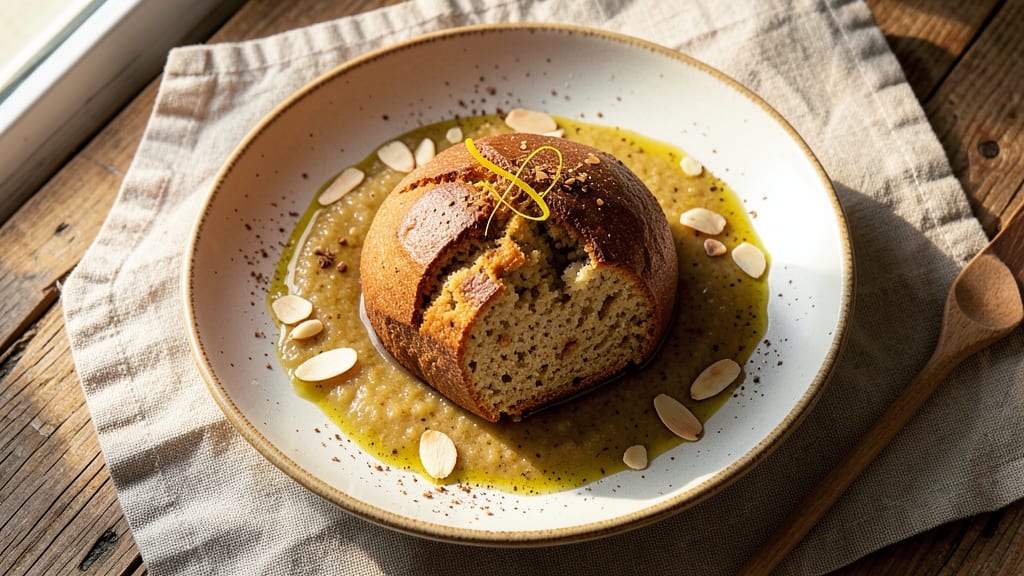
This almond pulp bread recipe transforms humble almond pulp into a nutty, crunchy loaf with a surprisingly soft interior—perfect for vegan diets or nut lovers. The secret lies in blending almond pulp with a simple flour binder, creating a texture that’s both hearty and tender.
I’ve perfected this recipe after years of experimenting with nut-based breads, and it never fails to impress.
The magic happens when almond pulp absorbs moisture and develops a toasted crunch while the bread bakes, delivering a pillowy crumb inside. Unlike dense nut breads, this version rises beautifully with a light, airy texture—ideal for sandwiches or toast.
The recipe uses basic pantry ingredients, but the results taste like a bakery specialty.
With just 10 minutes of prep and 45 minutes in the oven, you’ll have a golden loaf that’s rich in flavor and texture. The almond pulp adds natural sweetness and a satisfying crunch, while the binder ensures it holds together perfectly.
Whether you’re vegan, gluten-free, or simply love nutty breads, this recipe delivers.
Pair it with jam for breakfast or use it for sandwiches—every slice offers that perfect balance of crunchy exterior and soft interior. Store it in an airtight container for up to 5 days, or freeze for longer shelf life. Ready to bake?
Ingredients for almond pulp bread
Transform simple pantry staples into a golden loaf with almond pulp's nutty crunch and tender crumb.
| Ingredient | Amount | Notes |
|---|---|---|
| Almond Pulp 🌰 | 2 ½ cups | Dried, unsweetened almond pulp |
| All-Purpose Flour 🌾 | 1 ½ cups | Gluten-free blend preferred |
| Brown Sugar 🍯 | ½ cup | Packed firmly for sweetness |
| Extra-Virgin Olive Oil 🫒 | ½ cup | Lightly toasted for aroma |
| Active Dry Yeast 🍞 | 2 ¼ tsp | Instant yeast preferred |
| Warm Water 💧 | 1 cup | 110°F for optimal yeast activation |
| Ground Cinnamon 🌿 | 1 tsp | For subtle warmth |
| Salt 🧂 | 1 ½ tsp | Diamond Crystal preferred |
| Vanilla Extract 🍦 | 1 tsp | Pure almond extract optional |
| Ground Flaxseed 🌱 | 1 ½ tbsp | Mixed with 4.5 tbsp water for binder |
| Almond Extract 🌰 | ½ tsp | Enhances nutty flavor |
| Baking Powder 🍞 | 1 ½ tsp | Ensures proper rise |
The almond pulp is the star here—Bob’s Red Mill or Trader Joe’s carry the best quality in bulk bins. Look for a vibrant, light brown pulp with no added sugars or oils. If you can't find it pre-packaged, most health food stores or online retailers like Amazon Fresh sell it in 16-ounce bags. The flour should be a high-quality all-purpose blend, but for a gluten-free version, a 1:1 gluten-free baking flour with xanthan gum works beautifully. Toasting the almond pulp lightly in a dry pan for 3-5 minutes before mixing intensifies its flavor—don’t skip this step if you want that bakery-quality aroma.
No almond pulp? Blended almond flour with an extra 0.25 cup liquid can work in a pinch, though the texture will be denser. Substitute brown sugar with maple syrup or coconut sugar at the same amount, though the bread may darken slightly. If you’re avoiding gluten, ensure your flour blend includes xanthan gum for proper structure. For extra richness, add 1 tbsp tahini to the wet ingredients—it blends seamlessly and adds depth. The yeast is non-negotiable here; rapid-rise yeast cuts fermentation time by half if you’re in a hurry, but active dry yeast delivers the best flavor development.
This bread keeps beautifully in an airtight container at room temperature for 4-5 days, though the crunch diminishes after day 3. For longer storage, wrap tightly in plastic and freeze for up to 3 months. To revive, thaw overnight in the fridge and warm in a 200°F oven for 10 minutes to restore that fresh-baked crunch. Slice with a serrated knife for clean cuts—almond pulp bread is dense enough to tear otherwise. Portion into single slices and freeze for quick toast in the morning; they reheat perfectly in a toaster or skillet.
Why You'll Love This Recipe
- No-Waste Magic: I swear by this recipe because it turns almond pulp—something I’d normally toss—into something golden and fragrant. That rich, nutty depth from the pulp? It’s like a secret ingredient, but it’s just what’s left after making almond milk.
- Sweet & Savory Flex: Brown sugar and olive oil give it a caramelized crunch that’s weirdly addictive, but here’s the kicker: it’s equally good toasted with jam or slathered with butter for breakfast. (Yes, even on a Tuesday night.)
- Weeknight Workhorse: This dough comes together in one bowl with no kneading—just mix, let it rise, and bake. I’ve made it for brunch, packed it for lunch, and even used slices to top soups when I’m lazy. It’s the kind of bread that doesn’t judge your schedule.
- Budget-Friendly Stash: A single batch keeps for days, and the yeasty, slightly dense texture makes it perfect for French toast or croutons. Honestly, the almond pulp is cheap at the store, and you’re using every last bit—no food waste, just flavor.
Step-by-step instructions for almond pulp bread
Here's how to transform almond pulp into a tender, nutty loaf with perfect texture and flavor.
Prepare the Flaxseed Binder
In a small bowl, whisk together the 1.5 tablespoons ground flaxseed with 4.5 tablespoons warm water (about 110°F). Let this mixture sit for 5 minutes until it thickens into a gel-like consistency. This flaxseed binder replaces eggs, providing structure and moisture without altering the bread's texture.
The gel should be smooth and slightly viscous—if it's too thick, add a splash more water. This step is crucial because the flaxseed mixture will act as both a binder and a source of omega-3s, enhancing the bread's nutritional profile while maintaining its tender crumb.
Activate the Yeast
In a large mixing bowl, combine the 2.25 teaspoons active dry yeast with the 1 cup warm water (110°F). Stir gently and let it sit for 5-10 minutes until the mixture becomes frothy. This activation step ensures the yeast is alive and ready to leaven the bread properly.
If the yeast doesn't foam within 10 minutes, it's likely inactive—start over with fresh yeast. The warm water should be no hotter than 110°F, as temperatures above 120°F will kill the yeast and prevent proper rising. This is the foundation of your bread's airy texture, so don't rush this step.
Mix Wet Ingredients
To the activated yeast mixture, add the 2.5 cups almond pulp, 0.5 cup brown sugar, 0.5 cup extra-virgin olive oil, 1 teaspoon vanilla extract, 0.5 teaspoon almond extract, and the flaxseed gel. Mix thoroughly until all ingredients are fully incorporated and the mixture is smooth.
The almond pulp should blend evenly, creating a thick, slightly grainy batter. The olive oil and extracts will infuse the bread with a rich, nutty aroma. At this stage, the mixture should be cohesive but still pourable—this consistency ensures even distribution of ingredients when combined with dry components.
Combine Dry Ingredients
In a separate bowl, sift together the 1.5 cups all-purpose flour, 1.5 teaspoons salt, 1 teaspoon ground cinnamon, and 1.5 teaspoons baking powder. Gradually add this dry mixture to the wet ingredients while stirring gently with a wooden spoon or silicone spatula.
Mix just until combined—overmixing develops gluten, which can make the bread dense. You're aiming for a thick, shaggy dough that clings slightly to the spoon. The cinnamon and baking powder will work together to create a tender crumb with subtle warmth, while the salt enhances all the flavors.
Knead and First Rise
Transfer the dough to a lightly floured surface and knead gently for 3-4 minutes until it comes together into a smooth, elastic ball. Place the dough in a lightly greased bowl, cover with a damp kitchen towel, and let it rise in a warm place for 1-1.5 hours or until doubled in size.
The dough should puff noticeably and feel springy when pressed gently. If it doesn't rise well, your kitchen may be too cool—try placing the bowl near a warm oven with the light on. This first rise develops the bread's structure and allows the yeast to create air pockets for that pillowy texture we're after.
Shape and Final Rise
Once the dough has risen, punch it down gently to release air, then shape it into a 9x5-inch loaf pan. Cover again and let it rise for an additional 30-45 minutes until it domes slightly above the pan's edge. Preheat your oven to 350°F during this final rise.
The dough should feel firm but still slightly springy when pressed. If it springs back slowly, it needs more time. The final rise ensures the bread will have a good oven spring, giving you that tall, bakery-style loaf. Don't skip this step—it makes all the difference in texture and volume.
Bake to Golden Perfection
Bake the loaf for 45-50 minutes until the top is golden brown and an instant-read thermometer inserted into the center reads 190-195°F. If the top browns too quickly, tent the loaf with foil to prevent over-browning while ensuring it cooks through.
You'll know it's done when the bread sounds hollow when tapped on the bottom. Let it cool in the pan for 10 minutes, then transfer to a wire rack to cool completely. The internal temperature will continue rising slightly as it cools, ensuring even doneness throughout. The result should be a tender, nutty loaf with a crisp crust and moist crumb—perfect for slicing and serving.
Pro Tips For Making Almond Pulp Bread
- Hydrate the Almond Pulp: Almond pulp soaks up liquid like a sponge—give it 15 minutes in warm water (not boiling) before mixing, or you’ll end up with a dry, crumbly dough. I learned this the hard way when my first batch turned out like dense almond cake.
- Use Olive Oil Sparingly: Extra-virgin olive oil adds flavor, but too much makes the dough sticky and the bread gummy. Stick to ¼ cup max—enough to coat the yeast but not drown it. Trust me, your bread will thank you.
- Don’t Overmix the Dough: Almond pulp is finicky—once the flour and yeast are incorporated, stop mixing after 2-3 minutes. Overworking it develops gluten and turns your bread into a dense brick. Fold just until combined.
- Let the Dough Rise Twice: The first rise (1-2 hours) is obvious, but the second rise (after shaping) is where magic happens. Skip it, and your bread will be flat and sad. Give it 30-45 minutes until puffy—yes, even if you’re impatient.
Essential equipment for perfect results
Must-Have Mixing Tools
Start with a large mixing bowl (I use Anolon nonstick) to combine your wet ingredients—its deep sides prevent spills when adding almond pulp. A wooden spoon or silicone spatula works best for mixing the thick batter without scratching bowls.
For kneading, a lightly floured surface (I prefer a marble pastry mat) gives just enough grip to prevent sticking while keeping the dough smooth. 🌰
Yeast Activation Essentials
Precision matters when activating yeast—use a digital kitchen scale (like the OXO Good Grips) for accurate measurements of your 1 cup warm water (exactly 110°F). A thermometer (I recommend Thermoworks Thermapen) ensures you never overheat the yeast, which would kill it.
For testing yeast activity, a small glass jar with a lid lets you see the froth clearly without mess. 🍞
Baking Gear for Perfect Rise
A 9x5-inch loaf pan (I love Nordic Ware) is non-negotiable for shaping—its size ensures proper rise and even baking. Line it with parchment paper (cut to fit) for easy removal and a crispier crust.
For the final rise, a damp kitchen towel (or proofing cloth) keeps the dough moist in a warm environment. Preheat your oven with a baking stone (like Lodge Cast Iron) placed on the middle rack to mimic bakery ovens and create a crisp crust. 🔥
Crust and Texture Tools
For that golden crust, a pastry brush (I use OXO Good Grips) lets you lightly brush the top with olive oil before baking. An instant-read thermometer (like Thermoworks Smoke) ensures you bake to 190-195°F for perfect doneness.
To check doneness, tap the bottom of the loaf—it should sound hollow. A serrated bread knife (I prefer Mercer Culinary) slices cleanly through the dense crumb and crisp crust. ⚡
Storage Solutions
Keep your bread fresh with an airtight container (I use Glasslock) to maintain moisture and crunch for up to 5 days. For freezing, quart-sized freezer bags (like Ziploc) with 1 inch headspace prevent freezer burn.
A wire cooling rack (like OXO Good Grips) ensures even cooling after baking, preventing sogginess. For reheating, a skillet (I use All-Clad) restores that fresh-baked crunch in 2 minutes over medium heat. 💫
Nutrition facts
Frequently asked questions
What’s the best way to store almond pulp bread to keep it fresh?
Store your baked loaf in an airtight container at room temperature for up to 5 days. For longer storage, wrap individual slices in plastic wrap and freeze for up to 3 months. Thaw overnight in the fridge or warm in a 200°F oven for 10 minutes to restore freshness. The crunch softens over time, so toasting is key for that bakery-style texture!
Can I substitute almond pulp with almond flour?
Yes, but expect a denser texture. Use 2.5 cups almond flour plus 0.25 cup extra liquid (water or plant milk) to mimic the moisture in almond pulp. For best results, lightly toast the almond flour first to enhance flavor. The bread will still be delicious but may lack the signature crunch of almond pulp.
Why did my bread turn out dense instead of light?
Overmixing or skipping the rise times are common culprits. Mix just until combined, and ensure both rises (1-1.5 hours first rise, 30-45 minutes second rise) are completed. Also, check your yeast—if it didn’t foam properly, it may have been inactive. A warm kitchen (or oven with light on) helps dough rise faster.
How can I add extra flavor to this bread?
Boost the nutty profile with 1 tbsp tahini or 0.5 tsp cardamom in the wet ingredients. For sweetness, swap brown sugar for maple syrup or add 0.5 cup dried cranberries to the dough. A sprinkle of toasted sesame seeds on top before baking adds crunch and visual appeal.
Is this bread gluten-free?
Not by default, but easily adaptable! Replace all-purpose flour with a 1:1 gluten-free baking blend (with xanthan gum) and add 0.5 tsp extra baking powder for lift. The almond pulp’s natural oils help bind the crumb, but the texture may be slightly denser. Always use certified gluten-free oats if adding them.