
Sauces & Condiments
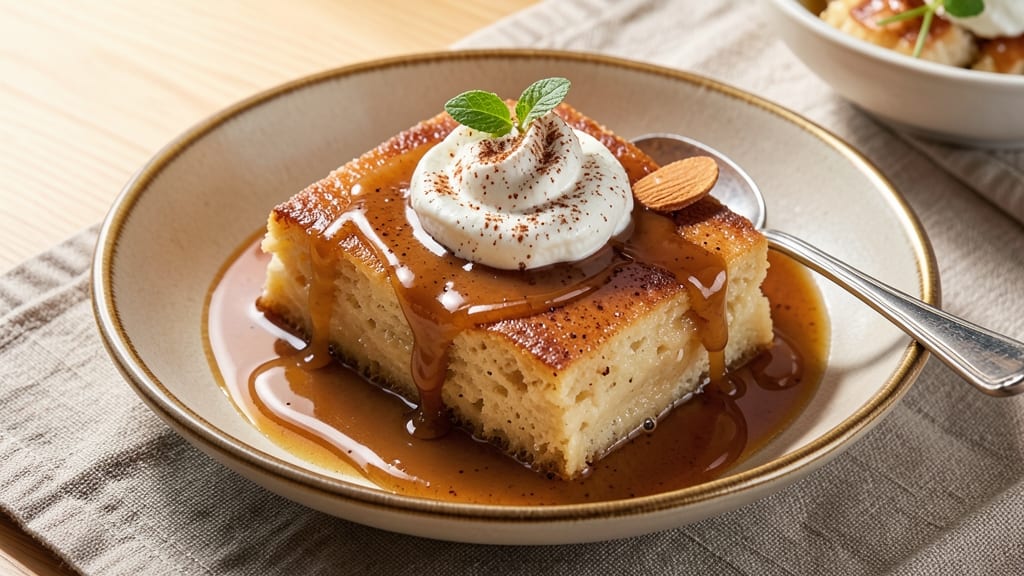
This amaretto bread pudding sauce transforms ordinary dessert into a showstopper with its rich, nutty depth and velvety texture. The secret lies in balancing warm amaretto liqueur with velvety cream and butter, creating a glaze that caramelizes beautifully when drizzled over warm bread pudding.
I developed this sauce after years of testing—it’s the finishing touch that elevates a classic dessert to restaurant-quality decadence.
The sauce comes together in just 10 minutes with simple ingredients you likely already have: amaretto liqueur, heavy cream, butter, and a touch of vanilla. The key is simmering it gently until thickened but still silky, ensuring every spoonful adds luxurious flavor without overpowering the bread pudding.
It’s foolproof, but the timing matters—don’t rush the reduction, or you’ll miss that perfect balance of sweetness and nutty warmth.
What makes this sauce truly special is its versatility. Drizzle it over bread pudding for a glossy finish, spoon it alongside vanilla ice cream, or even use it to enhance pancakes or French toast.
The amaretto’s almond notes complement the custardy texture of bread pudding, while the cream adds a velvety contrast. Once you try it, you’ll never settle for store-bought sauces again.
Store leftover sauce in the fridge for up to 5 days, or freeze it for 3 months—just reheat gently before using. For extra depth, infuse the cream with a cinnamon stick while warming, or add a pinch of citrus zest for brightness.
This isn’t just a sauce; it’s the star of your dessert table.
Ingredients for amaretto sauce for bread pudding
Six simple ingredients create this luxurious amaretto glaze that'll turn dessert into a showstopper.
| Ingredient | Amount | Notes |
|---|---|---|
| Amaretto Liqueur 🍶 | ½ cup | High-quality, 25-30% ABV preferred |
| Heavy Whipping Cream 🥛 | 1 cup | Full-fat for best texture |
| Unsalted Butter 🧈 | 4 tbsp | Cold, cut into small cubes |
| Pure Vanilla Extract 🌿 | 1 tsp | Or 1 vanilla bean scraped |
| Granulated Sugar 🍚 | 2 tbsp | Adjust to taste |
| Ground Cinnamon 🌶️ | ¼ tsp | Optional, for warmth |
| Salt 🧂 | ⅛ tsp | Fine sea salt |
The amaretto makes this sauce special—Disaronno is my go-to, but any quality brand works. Look for bottles with at least 25% alcohol; cheaper versions can taste harsh. Heavy cream is non-negotiable here—full-fat gives that velvety texture, and lighter versions won't work. Butter should be cold when you add it—cut into small cubes so it melts smoothly without breaking. For vanilla, I always use pure extract (not imitation), but if you're feeling fancy, split a vanilla bean and scrape the seeds directly into the sauce. The sugar is just a touch—amaretto's already sweet, so we're balancing, not overpowering.
No amaretto? Almond extract at half the amount gets you close, though the alcohol helps create that perfect glaze. Running out of heavy cream? Full-fat coconut milk works, but it'll have a slightly different texture. Butter substitutes? Coconut oil melts cleanly, but it'll lack the richness. Skip the cinnamon if you're not a fan—it's optional, but I always include it for that warm almond-cinnamon combo. The salt might seem odd, but it rounds out all the sweetness and makes the flavors pop. If you're making this ahead, the sauce actually improves overnight as the flavors meld—just reheat gently before using.
This sauce keeps beautifully—5 days in the fridge, 3 months frozen. For freezing, portion into ice cube trays first, then transfer to a bag. Reheat in the microwave for 30 seconds or on the stovetop over low heat until just melted. The sauce thickens as it cools, so if it seems too thick when cold, just warm it gently. I always make a double batch—one for immediate use, one to freeze. Trust me, you'll want leftovers.
Why You'll Love This Recipe
- Three-Ingredient Whisk: I swear, this sauce comes together faster than I can put on a pot of coffee—just warm the cream, stir in the amaretto and sugar until it dissolves, then finish with butter and vanilla. No straining, no tempering, just smooth, silky perfection in under 10 minutes.
- Nutty Vanilla Hug: That first spoonful? It’s like a warm embrace from your favorite Italian nonna—almond-kissed sweetness from the amaretto, deep vanilla warmth, and just enough richness from the butter to make it dangerously good. Honestly, I’ve made bread pudding a dozen times, and this sauce is the only thing that’s ever made me actually lick the plate.
- Date Night Ready: This isn’t just dessert—it’s the kind of sauce that turns a simple bread pudding into a restaurant-worthy showstopper. Drizzle it over warm pudding for guests, or serve it chilled with vanilla ice cream when you’re too tired to cook. (Yes, even on a Tuesday night.)
- Leftovers? Better: The sauce thickens beautifully when reheated, so I always make extra—it’s my secret weapon for reviving stale pudding the next day. Plus, the amaretto’s alcohol burns off when warmed, leaving just that rich, caramelized almond flavor. Budget-friendly, foolproof, and always a crowd-pleaser.
Step-by-step instructions for amaretto bread pudding sauce
Here's how to create a velvety, nutty glaze that takes your bread pudding to restaurant-quality decadence.
Melt Butter and Infuse with Amaretto
In a medium saucepan, combine the 4 tablespoons cold unsalted butter (cut into small cubes) with the 0.5 cup amaretto liqueur. Place the pan over medium-low heat and let it warm gently, stirring occasionally with a wooden spoon. You'll notice the butter begins to melt and the mixture smells intensely of almonds and caramelized sugar.
Once the butter is completely melted and the mixture reaches a gentle simmer (about 3-4 minutes), reduce the heat to low. This slow infusion allows the amaretto's nutty flavors to meld with the butter without burning. Keep the mixture at a bare simmer—you want it to bubble softly, not boil vigorously. If it gets too hot, the alcohol will evaporate too quickly and you'll lose that signature almond aroma.
Add Cream and Sweeten the Mixture
Pour in the 1 cup heavy whipping cream and stir well to combine. The mixture will look silky and slightly thickened as the cream begins to warm. Add the 2 tablespoons granulated sugar, 0.25 teaspoon ground cinnamon, and 0.125 teaspoon salt, stirring constantly until everything is fully incorporated.
Let the mixture simmer gently for 5-6 minutes, stirring occasionally. You're looking for the sauce to thicken slightly and coat the back of a spoon. This is where the magic happens—the sugar begins to caramelize just enough to deepen the flavor, while the cinnamon adds warmth that complements the almond notes. If the sauce starts to bubble too vigorously, reduce the heat slightly to maintain a gentle simmer.
Finish with Vanilla and Test Consistency
Remove the pan from heat and stir in the 1 teaspoon pure vanilla extract. Let the sauce sit off the heat for 2-3 minutes—this resting period allows the flavors to fully meld together. The vanilla will infuse throughout, adding depth and a floral note that balances the richness.
Now for the consistency check: The sauce should be thick enough to coat the back of a spoon but still pour smoothly. If it's too thick, return it to low heat for 1-2 minutes while stirring in 1 tablespoon water at a time until you reach your desired consistency. If it's too thin, let it cool slightly—it will thicken as it cools. For the ultimate bread pudding experience, you want a sauce that clings beautifully to each bite without being overly heavy.
Strain and Serve Warm
For a perfectly smooth sauce, strain the mixture through a fine-mesh sieve into a clean bowl or pitcher. This removes any butter lumps and gives you that silky texture we're after. The strained sauce should be glossy with a rich, golden hue—this is your visual cue that it's ready.
Return the sauce to low heat just to keep it warm while serving. Pour generously over warm bread pudding, letting it soak into the top layer for maximum flavor absorption. The amaretto's nutty sweetness will complement the custardy texture perfectly, creating that ultimate decadent experience we promised. Serve immediately while the pudding is still warm and the sauce is at its most luxurious consistency.
Pro Tips For Making Amaretto Sauce For Bread Pudding
- Temper the Amaretto: Warm the liqueur first—just a quick 10 seconds in the microwave or a splash of hot cream—to soften its harsh alcohol bite. Cold amaretto will make your sauce taste like you’re dousing the pudding in rubbing alcohol instead of dessert. Trust me, your taste buds will notice.
- Whip the Cream Cold: Chill your heavy whipping cream and mixing bowl for at least 30 minutes before whipping. I used to skip this and ended up with butter instead of silky sauce—now I just grab the bowl from the fridge while the sauce simmers. Cold cream whips higher and stays stable longer.
- Sugar in Stages: Add the granulated sugar gradually while heating the cream-butter base, stirring constantly. Dump it all in at once and you’ll either scorch it or end up with grainy bits clogging your sauce. Think of it like tempering eggs—gentle is the way.
- Toast the Vanilla: Split that vanilla bean, scrape out the seeds, and toast them lightly in a dry pan for 30 seconds before adding to the warm cream. The nutty aroma deepens and cuts through the sweetness—no, it’s not mandatory, but it’s the difference between "good" and "wow."
Dietary considerations for this amaretto sauce for bread pudding
Gluten-Free Adaptations
This sauce is naturally gluten-free, but if you're using it with gluten-free bread pudding, double-check your ingredients. The amaretto liqueur itself is typically gluten-free, but some brands may contain additives—Disaronno is a safe bet.
For extra caution, use a dedicated gluten-free amaretto like Torani. The heavy cream and butter are also gluten-free, so no substitutions are needed here. Always verify labels, especially if you're sensitive to cross-contamination. 🌾
Dairy-Free Options
For a dairy-free version, replace the butter with 4 tablespoons coconut oil or vegan butter (like Miyoko's). Use full-fat coconut milk instead of heavy cream—it adds a subtle tropical note that pairs surprisingly well with amaretto.
The texture will be slightly lighter, but the sauce will still cling beautifully. Taste as you go, as coconut milk varies in sweetness. 🥥
Lower Sugar Adjustments
If you need to reduce sugar, cut the 2 tablespoons granulated sugar to 1 tablespoon and enhance the flavor with ½ teaspoon almond extract (in addition to the vanilla). The natural sweetness of the amaretto will still shine through.
For extra depth, add 1 teaspoon maple syrup—it caramelizes beautifully during simmering. Remember, the sauce thickens as it cools, so don't over-reduce it. 🍯
Alcohol-Free Version
Skip the amaretto entirely and use ½ cup almond syrup (like Torani) or ½ cup apricot jam (simmered with ¼ cup water to thin). For alcohol-free liqueur, almond extract works in a pinch—use ½ teaspoon instead of the amaretto.
The sauce will still have that nutty character, though the texture may be slightly thinner. Balance with an extra ½ teaspoon cinnamon for warmth. 🌿
Nut-Free Considerations
While this sauce is nut-free (thanks to the amaretto's almond flavor being derived from prunes, not actual nuts), always verify the liqueur's ingredients. Some brands may process in facilities with tree nuts.
For a completely nut-free alternative, use ½ cup orange liqueur (like Cointreau) and add ½ teaspoon orange zest for brightness. The citrus notes complement the creamy base beautifully. 🍊
Storage for Dietary Needs
All adaptations store the same way—5 days refrigerated or 3 months frozen. For dairy-free versions, freeze in silicone molds to maintain texture. Thaw overnight in the fridge, then reheat gently with 1 tablespoon water if needed.
The sauce's versatility makes it perfect for dietary restrictions without sacrificing flavor. Always label your adaptations clearly! ❄️
Nutrition facts
Frequently asked questions
Can I make this amaretto sauce without alcohol?
Yes! Replace the 0.5 cup amaretto liqueur with ½ cup almond syrup (like Torani) or ½ cup apricot jam simmered with ¼ cup water. For extra nutty flavor, add ½ teaspoon almond extract and boost cinnamon to ½ teaspoon. The texture will be slightly lighter but still delicious.
How do I know when the sauce is thick enough?
The sauce is ready when it coats the back of a spoon smoothly but still pours easily. If it's too thick, stir in 1 tablespoon water at a time while warming gently. If too thin, let it cool slightly—it naturally thickens as it rests. Aim for a glossy, velvety consistency that clings beautifully to bread pudding.
Can I use this sauce for anything besides bread pudding?
Drizzle it over pancakes, French toast, or waffles for a boozy breakfast treat. It also pairs perfectly with vanilla ice cream, cheesecake, or even grilled peaches. The nutty-sweet flavor works in both sweet and savory dishes—try it on roasted pork or mashed potatoes for unexpected depth.
Why does my sauce smell like alcohol when it's done?
A slight alcohol aroma is normal when cooking with liqueurs—the alcohol evaporates as the sauce simmers. To reduce it, simmer the sauce for 5-6 minutes after adding the cream, which helps burn off most of the alcohol. For a completely alcohol-free version, use the alcohol-free substitutions mentioned above.
How do I reheat leftover sauce?
Gently reheat in a small saucepan over low heat with 1 tablespoon water to restore its smooth consistency. Avoid microwaving—it can make the sauce grainy. If frozen, thaw overnight in the fridge and reheat slowly. The sauce should warm through in just 2-3 minutes while maintaining its velvety texture.