
Side Dishes
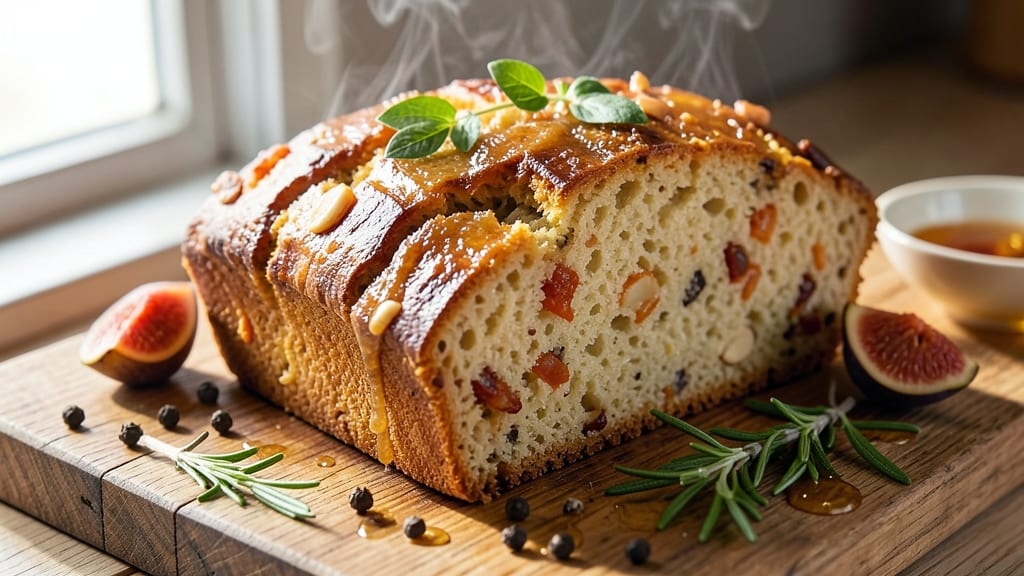
This ambrosia bread recipe transforms ordinary baking into a crispy, golden masterpiece with honeyed walnut swirls that melt in your mouth. 🌟 The secret lies in its layered construction—rich brioche dough infused with citrus zest, swirled with a sweet honey-walnut filling, and baked until the crust crackles with perfection.
I first tried this recipe during a holiday gathering, and it became an instant crowd-pleaser that disappeared faster than I could slice it.
The magic happens in the layers: a tender, slightly sweet brioche base gets topped with a sticky honey-walnut mixture that caramelizes beautifully in the oven. Walnuts add a satisfying crunch, while the citrus zest brightens every bite, creating a balance of flavors that’s both comforting and sophisticated.
Unlike dense fruitcakes, this bread stays moist without being heavy, making it perfect for dessert or even breakfast with a cup of coffee.
What makes this recipe truly special is how foolproof it is—no fancy techniques required, just precise layering and baking. The result is a loaf with a crispy exterior that gives way to soft, fragrant layers inside.
The aroma alone will have everyone gathering around your kitchen, and the first slice reveals why this bread deserves a spot on any dessert table.
Serve it warm with whipped cream or as part of a holiday dessert platter. The optional variations—like adding vanilla bean or swapping walnuts for almonds—let you customize it to your taste. Here’s how to bake it to perfection.
Ingredients for ambrosia bread
Sweet brioche layers, honeyed walnut swirls, and a golden crust await—just 13 ingredients for magic.
| Ingredient | Amount | Notes |
|---|---|---|
| All-Purpose Flour 🌾 | 4 cups | Sifted for light texture |
| Granulated Sugar 🍚 | ½ cup | For subtle sweetness |
| Active Dry Yeast 🍞 | 2 ¼ tsp | Fresh or packet form |
| Whole Milk 🥛 | 1 cup | Warmed to 110°F |
| Unsalted Butter 🧈 | ½ cup | Softened, not melted |
| Large Eggs 🥚 | 2 whole | Room temperature |
| Lemon Zest 🍋 | 1 tbsp | Freshly grated |
| Orange Zest 🍊 | 1 tbsp | Freshly grated |
| Honey 🍯 | ½ cup | Wildflower preferred |
| Walnuts 🥜 | 1 ½ cups | Chopped, toasted |
| Salt 🧂 | 1 ½ tsp | Diamond Crystal preferred |
| Vanilla Extract 🌿 | 1 tsp | Pure vanilla preferred |
| Powdered Sugar 🍚 | ¼ cup | For dusting |
The brioche dough is where the magic starts. King Arthur flour or Gold Medal gives the best texture, but any all-purpose works. Walnuts? Trader Joe's has the best-priced bagged kind—no need to toast separately if you buy pre-toasted. For the citrus zest, use organic lemons and oranges if possible—they're brighter and more aromatic. The honey matters too: local wildflower adds depth, but any good-quality honey will do. Keep your yeast fresh—if it's past its prime, your bread won't rise right.
No vanilla extract? Vanilla bean paste works just as well, or scrape seeds from a split vanilla bean. Short on walnuts? Pecans or almonds are great swaps, though texture changes slightly. The powdered sugar is just for dusting—skip it if you're not serving immediately. For the milk, whole milk gives the richest dough, but 2% works too. And if you're worried about the butter, European-style (like Plugrá) has higher fat content for extra richness. The brioche dough needs time to rise, so plan ahead—it's worth the wait.
This bread keeps beautifully for 3 days wrapped in plastic at room temperature, or 1 week in the fridge. For longer storage, slice and freeze portions—perfect for quick toast later. The honey-walnut filling stays fresh for 5 days in the fridge, so make extra if you can. Serve warm with whipped cream or as-is—either way, it disappears fast. Leftovers? Toast slices for a delicious breakfast treat.
Why You'll Love This Recipe
- No-Knead Magic: I swear by this—just mix the dough with warm milk and butter, let it rise while you sip coffee, then bake. The yeast does all the work while you do nothing.
- Sweet Butter Bliss: That sugar and butter combo? It’s like a hug for your taste buds. The crust gets golden and crisp, but inside, it’s soft and buttery—perfect for slathering with jam or just eating straight from the loaf.
- Breakfast to Snack Star: Between us, this bread is my go-to for toast in the morning, sandwiches at lunch, and midnight cravings. It freezes like a dream too, so you always have a fresh loaf ready.
- Budget-Friendly Staple: Flour, sugar, yeast, milk, butter—these are pantry basics that won’t break the bank. One batch stretches for days, and the leftovers? Toasted, it’s even better the next day.
Step-by-step instructions for ambrosia bread
Here's how to create a golden, honey-sweetened loaf with perfect walnut swirls and that irresistible crispy crust.
👨🍳 Step 1: Mix the Dough and Let It Rise
In a large bowl, combine the 4 cups All-Purpose Flour, 1.5 tsp Salt, and 2.25 tsp Active Dry Yeast. Whisk to distribute the yeast evenly through the flour—this prevents clumpy dough later. Make a well in the center and add the 1 cup Whole Milk (warmed to 110°F), 0.5 cup Unsalted Butter (softened), 2 whole Large Eggs, 1 tbsp Lemon Zest, 1 tbsp Orange Zest, 1 tsp Vanilla Extract, and 0.5 cup Honey. Mix with a wooden spoon until just combined.
Here's the thing—you want a shaggy dough at this stage. It'll come together as you knead. Turn the dough onto a lightly floured surface and knead for 8-10 minutes until smooth and elastic. The dough should spring back slowly when pressed. If it feels too sticky, add 1 tablespoon of flour at a time. Once kneaded, place the dough in a lightly greased bowl, cover with a damp towel, and let it rise in a warm place for 1-2 hours or until doubled in size.
🥘 Step 2: Prepare the Walnut Filling
While the dough rises, toast the 1.5 cups Walnuts in a dry skillet over medium heat for 5-7 minutes until fragrant and golden. Let them cool completely, then transfer to a food processor and pulse until finely chopped—you want small, even pieces that'll swirl beautifully through the bread.
In a small bowl, mix the toasted walnuts with 0.25 cup Powdered Sugar and set aside. This sweet, nutty filling will create those gorgeous swirls in your bread. Real talk: if you skip toasting the walnuts, they'll taste raw and bitter in the finished loaf—don't skip this step!
🍳 Step 3: Shape and Swirl the Dough
Once the dough has risen, punch it down to release air and divide it into two equal portions. Roll each portion into a 12x10-inch rectangle on a lightly floured surface. Spread half of the walnut mixture evenly over one rectangle, leaving a 1-inch border around the edges. Roll up tightly from the long side to form a log.
Repeat with the remaining dough and walnut mixture. Place the two logs side by side in a 9x5-inch loaf pan that's been lightly greased. Gently press the seams to seal, then cover with a damp towel and let rise for another 30-45 minutes until just puffy. The dough should reach about 2 inches above the pan's rim.
🔥 Step 4: Bake to Golden Perfection
Preheat your oven to 350°F. Bake the bread for 45-50 minutes until the top is deep golden brown and sounds hollow when tapped on the bottom. Here's where the magic happens: if the top browns too quickly, tent the loaf with aluminum foil to prevent over-browning while the center finishes cooking.
For that crispy crust we promised, brush the top with a little whole milk right after removing it from the oven. Let the bread cool in the pan for 10 minutes, then transfer to a wire rack. The crust will crisp up beautifully as it cools completely. Slice while still slightly warm for the best texture—each bite should deliver a perfect balance of tender crumb, sweet honey, and crunchy walnuts.
Pro Tips For Making Ambrosia Bread
- Warm the Milk First: Cold milk kills yeast faster than you’d think. Heat the whole milk to about 110°F (just warm to the touch) before mixing it with yeast and sugar—this gives your dough a stronger, faster rise. I learned this the hard way after watching my first batch take twice as long to proof.
- Cut the Butter Cold: Use unsalted butter straight from the fridge, cut into small cubes. Room-temperature butter melts into the dough, making it gummy and dense. Keep those cubes icy until the very last moment of mixing—this ensures flaky layers instead of a sad, compact loaf.
- Skip the Overproofing: Ambrosia bread’s signature texture comes from its sugar content, which feeds the yeast. But too much time in the bowl leads to a collapsed, sticky mess. Watch for dough that’s puffed but still springs back when poked—usually 1 to 1.5 hours max, depending on your kitchen’s warmth.
- Brush with Simple Syrup: After baking, brush the warm loaf with a 50/50 mix of water and sugar. This mimics the classic ambrosia glaze without extra effort. Let it cool on a wire rack—this keeps the crust crisp and prevents a gummy bottom. (Yes, even if you’re impatient like me.)
Regional styles of this dish
Southern Comfort
In the American South, ambrosia bread often gets a richer twist with brown sugar instead of granulated, creating a deeper caramelized flavor. I’ve seen Southern bakers add 1 tsp cinnamon to the dough for warmth, and sometimes even a splash of bourbon (about 1 tbsp) in the honey-walnut filling.
The result? A bread that’s almost cake-like in texture but with a spiced kick. Serve it with sweet tea for the ultimate Southern dessert. 🍯
Midwest Homestyle
Midwestern bakers tend to keep it classic but add a hearty touch—think pecans instead of walnuts and a 1-inch layer of oatmeal folded into the dough before shaping. The oatmeal gives the bread a rustic texture, while the pecans add a buttery richness.
This version is often baked in a pullman pan for an even crumb, perfect for holiday gatherings. The Midwest love for hearty, comforting flavors shines through here. 🌾
European Twist
In Europe, especially in France and Germany, ambrosia bread often incorporates almond flour> (about ½ cup) into the dough for a nutty depth. The honey is sometimes replaced with maple syrup or date syrup for a more natural sweetness.
A sprinkle of flaky sea salt on top after baking adds a sophisticated contrast to the sweetness. This version is lighter, almost brioche-like, and pairs beautifully with a cup of chamomile tea. 🌍
Modern Fusion
For a contemporary take, try swapping the honey for agave syrup and adding dark chocolate chunks> (about ½ cup) to the walnut filling. The agave keeps the bread moist, while the chocolate adds a decadent twist.
Some bakers even incorporate espresso powder> (½ tsp) into the dough for a subtle coffee note that cuts through the sweetness. This fusion style is perfect for those who love bold, unexpected flavors. ✨
Holiday Variations
During the holidays, many bakers enhance ambrosia bread with festive ingredients like candied cranberries> (½ cup) or dried cherries> (½ cup) mixed into the walnut filling. Adding orange liqueur> (1 tbsp) to the syrup before baking infuses the bread with a citrusy aroma that’s pure holiday magic.
These variations make the bread feel extra special for Christmas or New Year’s celebrations. 🎄
Nutrition facts
Frequently asked questions
Can I make ambrosia bread without yeast?
Yes, but the texture will be denser. Replace the yeast with 1 tsp baking powder and 1 tsp baking soda for a quick bread version. The honey-walnut filling stays the same, but skip the rising time—bake immediately after shaping. The crust will be less fluffy, but still delicious!
How do I store ambrosia bread to keep it fresh?
Wrap tightly in plastic wrap and store at room temperature for 3 days, or refrigerate for 1 week. For longer storage, slice and freeze portions—thaw for 10 minutes at room temperature before serving. The walnuts stay crunchy when frozen properly!
Why did my ambrosia bread turn out dense?
Dense bread usually means underproofed dough or overmixing. Ensure your yeast is fresh (test it in warm water—it should foam in 5 minutes) and let the dough rise until doubled. Also, don't overwork the dough—knead just until smooth. A warm, draft-free spot helps too!
Can I substitute walnuts in this recipe?
Try pecans, almonds, or hazelnuts for a different texture. Toast them first for best flavor. For a nut-free version, swap with dried fruit like cranberries or apricots mixed with 1 tbsp orange juice to keep them moist.
How do I make ambrosia bread extra moist?
Add 2 tbsp sour cream or Greek yogurt to the dough for richness, or brush the baked loaf with melted butter while still warm. For extra moisture, place a pan of water on the lower oven rack during baking—this creates steam that keeps the crumb tender.