
Side Dishes
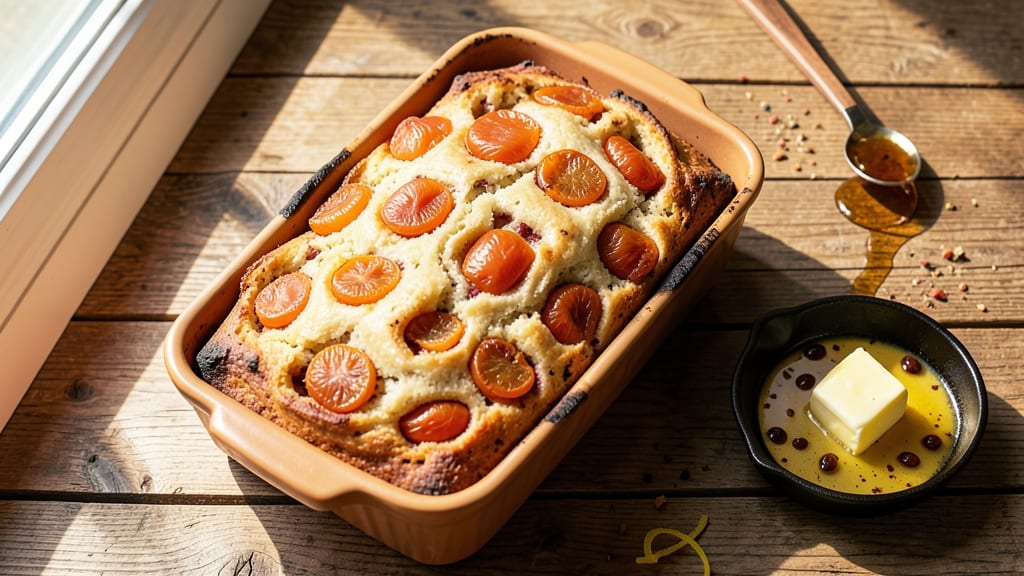
This American persimmon bread recipe captures the essence of autumn with its sweet, spiced loaf that's perfect for fall gatherings. The natural sweetness of ripe persimmons blends beautifully with warm cinnamon and nutmeg, creating a texture that's moist yet tender with just the right crumb.
I've perfected this recipe over years of baking, ensuring it delivers that signature homestyle flavor that makes every slice feel like a hug.
The secret to this bread lies in using fully ripe persimmons—they should be soft to the touch and slightly fragrant. When properly prepared, they add just the right amount of natural sweetness without overpowering the spice blend.
The dough comes together quickly with simple ingredients, and the baking process yields a golden-brown crust that's irresistible. Whether you're serving it warm with butter or saving slices for later, this bread is a crowd-pleaser.
What makes this recipe truly special is how versatile it is. You can enjoy it plain, with a light dusting of powdered sugar, or even with a drizzle of honey glaze for extra sweetness.
The aroma alone will fill your kitchen with the comforting scents of fall, making it ideal for breakfast, dessert, or even as a side to complement holiday meals. The bread keeps well for days, so you can bake a batch and enjoy it throughout the week.
Ready to bake a loaf that tastes like autumn in every bite? This recipe is designed to be foolproof, with clear instructions and helpful tips to ensure success. Let's get started on creating a bread that will become a staple in your fall baking repertoire.
Ingredients for american persimmon bread
Nine simple ingredients transform into a fragrant autumn loaf that tastes like fall in every bite.
| Ingredient | Amount | Notes |
|---|---|---|
| Ripe Persimmons 🍎 | 1 ½ cups | Flesh only, fully ripe and soft |
| All-Purpose Flour 🌾 | 4 cups | Sifted for light texture |
| Granulated Sugar 🍚 | 1 ½ cups | White or light brown |
| Unsalted Butter 🧈 | 1 cup | Softened at room temperature |
| Large Eggs 🥚 | 2 whole | Room temperature preferred |
| Milk 🥛 | 1 cup | Whole milk for richness |
| Ground Cinnamon 🌿 | 2 tsp | Freshly ground preferred |
| Ground Nutmeg 🌿 | ½ tsp | Freshly grated for warmth |
| Baking Powder 🧂 | 2 tsp | Diamond Crystal preferred |
| Salt 🧂 | ½ tsp | Kosher or sea salt |
| Vanilla Extract 🌸 | 1 tsp | Pure vanilla preferred |
| Powdered Sugar 🍚 | ¼ cup | For topping, optional |
Persimmons are the star here—ripe ones are soft like a peach and smell sweet. Local farmers markets often have them in late fall, but if you can't find them, Asian grocery stores usually stock them year-round. Look for ones that yield slightly to gentle pressure. The flesh should be bright orange, not dull or mealy. I always buy extra because they're so versatile—they also make great pudding or jam. For this recipe, you'll need about 1.5 cups of flesh, so plan accordingly if you're using whole fruit.
No ripe persimmons? Substitute with 1.5 cups of apple sauce—it keeps the moisture but adds a milder flavor. Swap the nutmeg for allspice at half the amount if you're out, but trust me, the nutmeg is what gives this bread that classic autumn warmth. The baking powder is critical—Diamond Crystal has a slightly different leavening power than other brands, so if you're using it, stick to the recipe. For the butter, don't skip the room-temperature step—it mixes so much better. And if you're feeling fancy, add a teaspoon of bourbon to the dough for a Southern twist.
This bread keeps beautifully—3-4 days at room temperature wrapped in foil, or 1 week in the fridge. For longer storage, freeze the whole loaf wrapped in plastic for up to 3 months. I love making two batches—one for the table and one to freeze for lazy mornings. The powdered sugar topping is optional but adds that perfect finishing touch. If you're giving this as a gift, bake it in a loaf pan with a handle—it makes unwrapping a special moment.
Why You'll Love This Recipe
- I’ll be real: this loaf doesn’t last long, but when it does, it’s still great. The persimmons keep it moist without getting soggy, and the crust stays crisp if you store it right. Plus, it’s cheaper than buying a fancy loaf—just slice, wrap, and stash. Budget win.
- Fewer Ingredients, Bigger Payoff: Honestly, you’re looking at a pantry staple lineup—flour, sugar, butter, eggs—and suddenly, it’s persimmon magic. No fancy substitutions, no last-minute grocery runs. Just mash those ripe persimmons (no peeling, no stress) and let the fruit’s natural sweetness do the work.
- Sweet-Spiced Comfort: That caramelized persimmon swirl with the buttery crumb? It’s like autumn wrapped in bread. The sugar and ripe fruit create this perfect balance—sweet but not cloying, with just enough warmth from the spices to make it feel like a hug.
- Breakfast or Dessert? Yes.: Between us, this bread is my go-to for lazy mornings and weekend treats. Toast it with butter for a quick breakfast, or serve it with coffee when company’s over. (Yes, even on a Tuesday night.) The versatility is underrated—it’s basically a blank canvas for your day.
Step-by-step instructions for sweet and spiced autumn loaf
Here's how to make this moist, spiced bread that captures autumn's cozy flavors.
Prepare the Persimmon Puree
Start by peeling and scooping out the flesh from the 1.5 cups ripe persimmons. I like to mash them with a fork in a medium bowl until completely smooth—no lumps should remain. This puree will add natural sweetness and moisture to the bread, so make sure it's fully broken down.
Set the persimmon puree aside while you prepare the other ingredients. The flavor will develop as it sits, so don't rush this step. If you're using very soft persimmons, you might need to strain them through a fine-mesh sieve to remove any excess liquid, but most ripe varieties should be ready to go.
Cream Butter and Sugar Together
In a large mixing bowl, combine the 1 cup softened unsalted butter with the 1.5 cups granulated sugar. Using an electric mixer on medium speed, beat for about 3-4 minutes until the mixture becomes light and fluffy. You'll see it nearly double in volume and turn pale.
This creaming process incorporates air into the batter, which helps create that tender, moist crumb we want in this bread. I always check the butter is softened enough to press gently with my finger—it should leave a slight indent but not be completely melted. If it's too cold, let it sit at room temperature for another 10 minutes.
Add Eggs and Wet Ingredients
Add the 2 whole large eggs one at a time, mixing well after each addition. Then stir in the 1 cup milk, 1 tsp vanilla extract, and the prepared persimmon puree. Mix on low speed until just combined—about 1 minute—being careful not to overmix.
Here's the thing—adding the wet ingredients gradually helps control the batter's consistency. You want it to be thick but pourable. If it looks too stiff, add a splash more milk. The persimmon puree will make the batter slightly thinner, so don't worry if it seems a bit runny at first. The spices will come next to balance everything out.
Combine Dry Ingredients
In a separate bowl, whisk together the 4 cups all-purpose flour, 2 tsp baking powder, 2 tsp ground cinnamon, 0.5 tsp ground nutmeg, and 0.5 tsp salt. Sift the flour first for a lighter texture—this prevents dense bread. Then gently fold the dry ingredients into the wet mixture using a spatula, mixing just until combined.
I always use the "fold and lift" method here to avoid developing too much gluten, which would make the bread tough. Stop mixing as soon as you see no more flour streaks—overmixing is the enemy of tender bread. The batter should be thick but still able to be spooned easily into your prepared pan.
Bake to Golden Perfection
Preheat your oven to 350°F and grease a 9x5-inch loaf pan thoroughly. Pour the batter into the prepared pan and smooth the top with a spatula. For extra flavor, sprinkle the 0.25 cup powdered sugar evenly over the top—this gives that classic persimmon bread finish.
Bake for 50-55 minutes until a toothpick inserted in the center comes out clean and the top is golden brown. The bread is done when it pulls away slightly from the edges of the pan and has a beautiful crust. If the top browns too quickly, tent with foil after 30 minutes to prevent over-browning while the center finishes baking.
Cool and Serve
Remove the bread from the oven and let it cool in the pan for 10 minutes. Then transfer it to a wire rack to cool completely. This resting period is crucial—it allows the bread to set properly and prevents it from falling apart when you slice it.
Once fully cooled, slice into 8 equal pieces and serve. The bread will keep well at room temperature for 3 days or can be frozen for up to 3 months. I like to toast slices lightly before serving for extra warmth and that perfect crust-to-soft-center contrast that makes this bread so special.
Pro Tips For Making American Persimmon Bread
- Mash the Persimmons Cold: I learned this the hard way—warm persimmons turn to mush and release liquid like a sad salad. Scoop out the flesh, toss it in the freezer for 10 minutes first, then mash it with a fork. The texture stays firm enough to hold structure in the bread, and you’ll avoid that soggy, gluey middle.
- Use Room-Temp Butter: Cold butter creates pockets in the dough that won’t melt evenly, leaving you with a bread that’s dense in spots. Let the butter sit out for 30–45 minutes until it’s soft but not greasy—press your finger into it; it should leave a slight indent. This ensures a tender crumb and even baking.
- Don’t Overmix the Dough: I used to punch and fold that dough like I was kneading sourdough, and every time, the bread turned out tough. Mix the wet and dry ingredients just until combined—lumps are fine. Overworking the gluten makes the bread dense. Once the persimmon purée is folded in, stop as soon as it disappears.
- Check for Doneness at 345°F: Most recipes say 350°F, but I’ve found persimmon bread benefits from a slightly lower start. Bake at 345°F for the first 20 minutes to let the sugar caramelize gently, then crank it to 375°F for the last 10–15. This prevents a dark crust before the center’s done and keeps the persimmon flavor bright, not burnt.
Storing and reheating this american persimmon bread
Room Temperature Storage
This persimmon bread stays fresh for 3-4 days when stored at room temperature. Wrap it tightly in plastic wrap or aluminum foil to prevent drying out—those spices make it extra vulnerable to staling.
I like to store it in a cool, dark pantry where it maintains its moist texture and warm aroma. For extra protection, place the wrapped loaf in a bread box or airtight container with a slice of apple to keep it soft longer. 🍎
Refrigerator Refresh
If you need to store leftovers longer than 4 days, move the bread to the fridge where it keeps for up to 1 week. The cold slows down staling, but the texture can become slightly denser.
To revive it, wrap a slice in a damp paper towel and microwave for 10-15 seconds—this restores moisture without making it soggy. For best results, slice the bread before refrigerating so each serving reheats perfectly. 💫
Freezer Preservation
For long-term storage, freeze the entire loaf wrapped in plastic wrap followed by aluminum foil—this double layer prevents freezer burn. Label with the date and store for up to 3 months.
When ready to enjoy, thaw overnight at room temperature or warm slices directly in the oven at 300°F for 5-7 minutes with a sprinkle of water on top to refresh the crust. I always freeze a second loaf because thawed persimmon bread tastes just as good as fresh! ❄️
Reheating Techniques
For that fresh-baked taste, reheat slices in a skillet over medium heat for 1-2 minutes per side—this creates a crispy exterior while keeping the inside tender. Alternatively, wrap slices in foil and heat in a 350°F oven for 5-7 minutes.
Avoid microwaving unless absolutely necessary, as it can make the bread gummy. Pro tip: Brush reheated slices with melted butter for extra richness. 🔥
Reviving Stale Bread
If your persimmon bread loses its moisture, don't toss it! Place slices in a paper bag and bake at 300°F for 5-10 minutes—the dry heat will revive the texture. For a quick fix, sprinkle stale slices with water and microwave for 15 seconds.
This bread is so flavorful that even slightly stale slices make great French toast or bread pudding—just add them to your next baking project! 💡
Nutrition facts
Frequently asked questions
How do I know when American persimmons are ripe enough for this bread?
Persimmons should be fully ripe—soft like a peach and slightly fragrant when squeezed. The skin should yield to gentle pressure, and the flesh inside should be bright orange. If they're hard, they're not ready; if they're mushy, they're overripe. Ripe persimmons will have a natural sweetness that balances the spices perfectly in this bread.
Can I substitute dried persimmons in this recipe?
Dried persimmons work but require extra prep. Soak 1/2 cup dried persimmons in warm water for 30 minutes to rehydrate, then blend into a puree (you'll need about 1.5 cups total). The flavor will be more concentrated, so you might reduce the sugar slightly. Fresh persimmons give the best texture and natural sweetness, though!
Why did my persimmon bread turn out dense instead of tender?
Overmixing the batter is the most common cause. Stop folding when just combined—no flour streaks should remain. Also ensure your butter is softened (not melted) and your persimmons are fully ripe. If the batter seems too thick, add 1 tablespoon milk at a time until it's pourable but not runny.
Can I make this bread without a loaf pan?
Yes! For a free-form loaf, shape the batter into a round on a baking sheet lined with parchment paper. Bake at 350°F for 40-45 minutes until golden. The texture will be slightly denser at the edges but still delicious. For extra crispness, brush with melted butter after baking and sprinkle with powdered sugar.
What's the best way to add extra flavor to this persimmon bread?
Try these upgrades: fold in 1/2 cup chopped pecans for crunch, add 1 tsp bourbon to the wet ingredients, or top with a honey glaze (mix 1/4 cup honey with 1 tbsp milk and brush on after baking). A pinch of cardamom also pairs beautifully with the nutmeg!