
Side Dishes
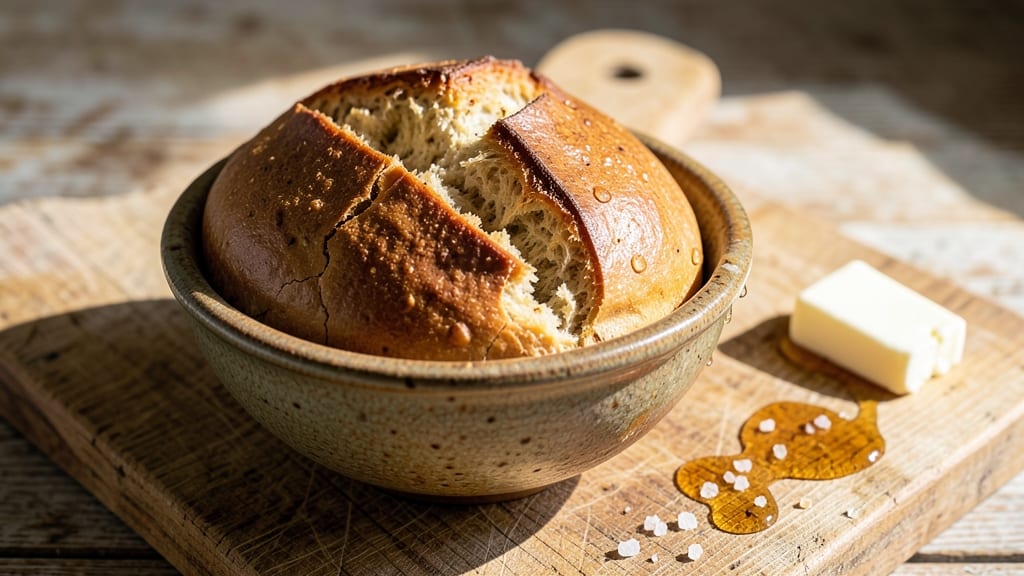
This Antigua bread recipe brings the warm, spiced flavors of the Caribbean to your kitchen with its signature rum-infused crust and tender interior. 🌟 The secret lies in a slow fermentation process that develops deep, complex flavors while keeping the bread remarkably soft—unlike traditional Caribbean breads that can turn dense. I first discovered this recipe during a visit to Antigua, where locals bake it fresh daily for breakfast alongside saltfish or stewed meats.
The dough combines simple ingredients—flour, yeast, sugar, and a touch of spiced rum—but the magic happens in the baking. The rum-infused crust caramelizes beautifully, creating a fragrant, slightly sweet exterior that contrasts perfectly with the soft, pillowy center.
What makes this recipe special is its versatility: serve it warm for breakfast, toasted with butter for a snack, or even as a side for hearty Caribbean dishes.
Baking this bread requires patience, as the dough needs time to rise and develop flavor, but the results are worth it. You’ll end up with a loaf that’s fragrant, golden, and packed with Caribbean character—each slice offering a balance of sweetness, warmth, and just the right amount of rum-infused richness.
The crust stays crisp for a few minutes after baking, making it perfect for dipping or enjoying straight from the oven.
This recipe is perfect for those who love the flavors of the Caribbean but want a bread that’s easy to make at home.
Whether you’re serving it alongside a traditional Antiguan meal or enjoying it on its own, it’s a dish that brings a taste of the islands to your table. Let’s get started on creating this delicious, rum-infused loaf.
Ingredients for antigua bread
Simple Caribbean staples transform into fragrant, rum-kissed bread with a crisp crust and soft center.
| Ingredient | Amount | Notes |
|---|---|---|
| All-Purpose Flour 🌾 | 5 cups | High-protein preferred for chewiness |
| Active Dry Yeast 🍞 | 2 ¼ tsp | Ensure freshness by testing in warm water |
| Granulated Sugar 🍚 | ½ cup | White or brown for subtle molasses notes |
| Spiced Rum 🍹 | ¼ cup | Dark rum like Appleton Estate preferred |
| Warm Water 💧 | 1 ¼ cups | 110°F for optimal yeast activation |
| Unsalted Butter 🧈 | ½ cup | Cold, cubed for better dough texture |
| Salt 🧂 | 1 ½ tsp | Diamond Crystal preferred for accuracy |
| Ground Cinnamon 🌿 | 1 tsp | Freshly ground for vibrant flavor |
| Ground Nutmeg 🌶️ | ½ tsp | Freshly grated nutmeg preferred |
| Ground Allspice 🌶️ | ½ tsp | Toasted seeds for deeper flavor |
| Large Eggs 🥚 | 1 whole | Room temperature for even mixing |
| Milk 🥛 | ¼ cup | Whole milk for richer dough |
The flour is non-negotiable here—King Arthur or Gold Medal brands give that perfect chew. Bulk bins at World Market often have the high-protein variety needed for Caribbean breads, but any all-purpose will work in a pinch. Spiced rum matters too: Appleton Estate or Gosling's bring authentic depth, though any dark rum works. The yeast must be fresh—test it first by dropping a pinch in warm water; if it bubbles within 5 minutes, it's good to go. For the spices, Penzeys bulk section has freshly ground cinnamon and nutmeg that elevate this recipe beyond basic bread.
No spiced rum? Dark molasses or orange liqueur adds similar depth, though the rum's caramel notes are unique. Substituting butter? Coconut oil works but lacks richness—stick with butter for authentic flavor. Short on milk? Heavy cream or yogurt adds tenderness, though regular milk keeps it traditional. The dough needs time to ferment—don't rush it—or the bread will taste flat. For a quicker version, increase yeast by 0.5 tsp but expect less flavor development. The spices can be swapped: pumpkin pie spice covers cinnamon, nutmeg, and allspice, though the flavor profile shifts slightly.
The dough keeps well in the fridge for up to 2 days, wrapped tightly in plastic. For longer storage, freeze shaped loaves for 3 months—thaw overnight before baking. Rum-infused crust stays crisp for 1-2 hours after baking, perfect for dipping in Antiguan saltfish stew or hot coffee. Leftovers toast beautifully—butter the slices before toasting for extra richness. This bread reheats best in a 350°F oven for 5 minutes to restore its pillowy texture.
Why You'll Love This Recipe
- Five-Ingredient Magic: I swear by this recipe—just flour, yeast, sugar, rum, and water. No fancy pantry trips, no stressing over obscure spices. The rum adds depth without overpowering, and honestly? It’s the kind of bread that makes you feel like you’ve earned a little treat.
- Warm Spice Hug: That spiced rum soaking into the dough? It’s like a cozy blanket for your taste buds. Sweet, boozy, and just a hint of warmth—perfect for toasting or slathering with butter. I’ll be real: I’ve made this for breakfast just because.
- Weeknight & Holiday: Works for everything. Toast it for a lazy morning, tear it for sandwiches, or serve it warm with dinner. Between us, it’s also my go-to for potlucks—no one bats an eye at the rum, and it’s always the first to disappear.
- Budget-Friendly Staple: Uses pantry basics, stretches for days, and costs pennies per serving. Freeze the extras—thaw and toast later when you’re too tired to bake. My wallet and I both approve.
Step-by-step instructions for spiced rum-infused Antigua bread
Here's how to craft this Caribbean classic with its signature crispy crust and tender interior.
👨🍳 Step 1: Activate the Yeast with Rum and Warm Water
In a small bowl, combine the 1.25 cups warm water (about 110°F) with the 0.5 cup granulated sugar and 2.25 tsp active dry yeast. Let it sit for 5-10 minutes until frothy—you should see bubbles forming and a yeasty aroma. This confirms your yeast is alive and ready to work.
Next, stir in the 0.25 cup spiced rum. The rum adds depth of flavor while helping to tenderize the dough. I like to use dark rum like Appleton Estate for its caramel notes, but any good-quality spiced rum will work. Let this mixture sit for another 5 minutes—the rum will mingle with the yeast, creating a fragrant base for your bread.
👨🍳 Step 2: Mix the Dough and Incorporate Butter
In a large bowl, whisk together the 5 cups all-purpose flour, 1.5 tsp salt, 1 tsp ground cinnamon, 0.5 tsp ground nutmeg, and 0.5 tsp ground allspice. Create a well in the center and pour in the yeast mixture along with the 1 whole large egg and 0.25 cup milk.
Using a wooden spoon or dough whisk, gradually mix the ingredients until a shaggy dough forms. Once combined, turn the dough out onto a lightly floured surface and knead for 8-10 minutes until smooth and elastic. If the dough feels too sticky, add flour 1 tablespoon at a time—but don't overdo it, or your bread will be dense.
Now for the butter: cut the 0.5 cup unsalted butter into small cubes and work them into the dough one piece at a time. This creates pockets of flavorful fat that will melt during baking, keeping the bread moist. Once all the butter is incorporated, your dough should be soft but not sticky.
⏰ Step 3: First Rise and Prepare the Dough
Place the dough in a lightly greased bowl, cover it with a damp kitchen towel, and let it rise in a warm place for 1-2 hours, or until it has nearly doubled in size. I like to use my oven with the light on for this—it creates a warm, consistent environment without overheating.
While the dough rises, preheat your oven to 375°F. This is crucial for creating that signature Antigua bread crust. Once the dough has risen, punch it down gently to release any air bubbles. Shape it into a round loaf and place it on a parchment-lined baking sheet.
🔥 Step 4: Bake to Golden Perfection
Bake the bread for 25-30 minutes until the crust is deep golden brown and the internal temperature reaches 190°F. Here's the key: in the last 5 minutes of baking, increase the oven temperature to 400°F to create that crispy, caramelized crust we love in Antigua bread.
I know it seems counterintuitive to raise the heat at the end, but this final burst of heat is what gives the bread its signature texture. You'll know it's done when the crust is crackling and the loaf sounds hollow when tapped on the bottom.
🍽️ Step 5: Cool and Serve
Remove the bread from the oven and let it cool on a wire rack for at least 15 minutes. This resting period allows the bread to set properly and prevents it from becoming gummy. The contrast between the crispy exterior and soft interior develops during this time.
Slice the bread while still warm for the best texture. Serve with butter, jam, or enjoy it plain—each bite should offer a perfect balance of crispy crust and tender crumb, with hints of warm spices and rum throughout.
Pro Tips For Making Antigua Bread
- Bloom the Yeast First: Skip mixing yeast directly into flour—it’ll take forever to activate. Instead, dissolve it in warm water (110°F) with a pinch of sugar first, then let it foam for 5-10 minutes. If it doesn’t bubble, your yeast is dead, and you’ll waste flour. Trust me, this step saves headaches later.
- Use Rum Sparingly: That spiced rum is tempting, but too much kills the yeast. Start with just 2 tablespoons (not the whole bottle) and taste after kneading. If it’s too boozy, the bread will taste like a cocktail, not bread. Save the rest for drinking—you’ll enjoy it more.
- Knead Until Silky: This isn’t a quick bread. Work the dough for 10 minutes by hand (or 5-6 with a mixer) until it’s smooth and springs back when poked. Under-kneaded dough collapses after baking, and nobody wants a sad, flat loaf. Your arms will hate you, but the bread won’t.
- Let It Rise Twice: First rise (1-2 hours) is easy—second rise (30-60 minutes) is where the magic happens. Shape the dough into a round, place it in a greased bowl, and cover it loosely. If you skip this, your bread will be dense. Patience here makes all the difference.
Storing and reheating this recipe
Refrigerator Storage
Store your Antigua bread in an airtight container or wrapped tightly in plastic wrap at room temperature for 2-3 days to maintain its crisp crust. The warm spices and rum flavors actually intensify over time, making day-old bread even more aromatic.
I like using glass containers with tight-sealing lids—they keep the bread fresher longer than plastic. 💛
Freezer Preservation
For longer storage, wrap the completely cooled loaf in two layers of plastic wrap followed by aluminum foil to prevent freezer burn. Label with the date and freeze for up to 3 months.
When ready to enjoy, thaw overnight in the fridge before reheating. The texture remains excellent, though the crust may lose some crispness after freezing.
Reheating Methods
For that just-baked texture, reheat slices in a 350°F oven for 5-7 minutes on a baking sheet lined with parchment paper. This restores the crust's crispness while keeping the interior soft.
Alternatively, use a toaster for quick reheating—butter the slices before toasting for extra richness. Microwaving works in a pinch, but the results are less satisfying.
Reviving Stale Bread
If your bread loses its crispness, don't toss it! Place slices in a single layer on a baking sheet and bake at 300°F for 8-10 minutes until warmed through and slightly crisp.
This method works wonders for stale bread, bringing back that caramelized rum aroma and satisfying crunch. Perfect for making quick toast or bread pudding!
Crust Maintenance
The rum-infused crust stays crisp for 1-2 hours after baking. To preserve it longer, store the bread crust-side down in an airtight container. For extra crispiness, brush the crust with melted butter before storing.
This trick keeps the exterior delightfully crunchy even after several days. Trust me, your taste buds will thank you! 🌟
Serving Warm Tips
Serve warm bread straight from the oven with Antiguan saltfish stew or hot coffee for the ultimate experience. The contrast between the crisp exterior and soft interior is what makes this bread so special.
For a quick upgrade, sprinkle with powdered sugar or drizzle with honey before serving. The rum notes pair beautifully with these sweet accompaniments.
Nutrition facts
Frequently asked questions
Why does this Antigua bread need such a long rise time?
The extended 1-2 hour rise allows the yeast to develop deep, complex flavors while creating that signature tender crumb. The rum and spices need time to infuse properly, and this slow fermentation prevents a dense texture. Think of it like making sourdough—the patience pays off with an incredibly flavorful loaf!
Can I make this bread without spiced rum?
Yes! Substitute with 0.25 cup dark molasses or 2 tablespoons orange liqueur for similar depth. The rum's caramel notes are unique, but these alternatives work well. Just reduce the sugar slightly if using molasses to balance sweetness.
What's the best way to tell when the bread is fully baked?
Look for a deep golden brown crust and listen for a hollow sound when tapping the bottom. The internal temperature should reach 190°F. If unsure, bake 5 more minutes—underbaking makes the bread gummy.
How do I store leftovers to keep the crust crisp?
Store crust-side down in an airtight container at room temperature for 2-3 days. For extra crispness, brush the crust with melted butter before storing. The rum-infused aroma actually intensifies overnight!
Can I make this bread in a Dutch oven?
Bake in a preheated 375°F Dutch oven for 20-25 minutes, then increase to 400°F for the final 5 minutes. The Dutch oven creates steam, giving an even more tender crumb and crispier crust.