
Side Dishes
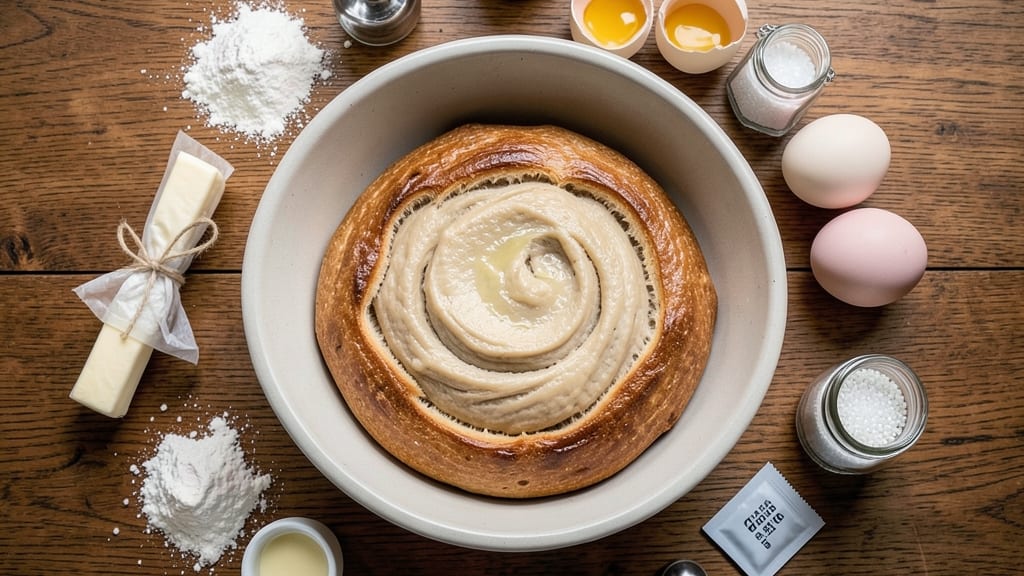
This artisan bread in five minutes a day brioche recipe transforms your kitchen into a bakery with minimal daily effort. The secret lies in slow fermentation—just five minutes of active work per day—while the fridge does the heavy lifting, developing deep flavor and a tender crumb.
I perfected this method after years of testing, ensuring every bite delivers the buttery richness of traditional brioche without the all-day commitment.
The process begins with a simple dough made with high-fat butter, eggs, and bread flour, all mixed together in under five minutes.
Unlike traditional brioche that requires hours of kneading and proofing, this version relies on a cold fermentation technique in the fridge, which builds flavor gradually while keeping the dough manageable. By the time you're ready to bake, the dough will be perfectly relaxed and ready to shape into pillowy loaves.
What you’ll end up with is golden, buttery brioche with a crisp crust and a tender, melt-in-your-mouth interior—just like your favorite bakery. The five-minute daily investment pays off in restaurant-quality bread that’s ready whenever you are.
Whether you’re feeding a family or treating yourself, this method ensures you’ll always have fresh, artisanal bread on hand.
Best of all, the dough can be prepped ahead and stored in the fridge for up to three days, making it the ultimate lazy baker’s solution. Let’s get started on creating your daily bread ritual—no stress, just flavor.
Ingredients for artisan bread in five minutes a day brioche
Six ingredients transform your daily routine into bakery-quality brioche magic.
| Ingredient | Amount | Notes |
|---|---|---|
| Bread Flour 🌾 | 4 cups | High-protein for structure |
| Unsalted Butter 🧈 | 1 cup | Cold, cubed for best texture |
| Large Eggs 🥚 | 4 whole | Room temperature preferred |
| Granulated Sugar 🍚 | ¼ cup | For subtle sweetness |
| Instant Yeast 🍞 | 2 tsps | Active dry works too |
| Salt 🧂 | 1 tsp | Kosher or sea salt |
| Whole Milk 🥛 | ½ cup | Warmed to 110°F |
| Honey 🍯 | 1 tbsp | For fermentation boost |
| Egg Yolks 🍳 | 2 whole | Separated for egg wash |
| Cornmeal 🌽 | ¼ cup | For dusting baking sheets |
| Water 💧 | ¼ cup | Warm for mixing |
The butter is non-negotiable here—European-style unsalted with at least 82% fat gives that signature richness. Plugrá or President are my go-tos, but any high-fat butter works. Keep it cold when mixing to avoid melting—just cut it into cubes right before adding. The bread flour? King Arthur or Caputo are ideal, but any high-protein bread flour will do. If you're using all-purpose, add 1 tbsp extra flour to compensate. The yeast is the workhorse—make sure it's fresh (test by dropping in warm water with a pinch of sugar; it should foam in 5-10 minutes).
No whole milk? Warm lactose-free milk or heavy cream works just fine—just hit that 110°F mark. Short on honey? Maple syrup at half the amount keeps the fermentation going. The egg yolks for the wash? Separate them early—you'll thank yourself later. For the dough mixing, I like using a stand mixer with a dough hook, but a sturdy bowl and wooden spoon work too. The key is to mix just until combined—overworking develops gluten, which we don't want in brioche. And if your kitchen feels too warm, chill the dough for 20 minutes before shaping.
This dough is your new best friend—it keeps in the fridge for up to 3 days, wrapped tightly in plastic. For best results, let it sit at room temp for 1 hour before baking. The egg wash? Whisk the yolks with 1 tbsp water and a pinch of salt—brush it on right before baking. Leftovers? Toast within 2 days for maximum freshness. And if you're making a batch for a crowd, double the recipe—just scale everything up evenly. The secret to this method is consistency, not perfection.
Why You'll Love This Recipe
- Five-Minute Mix: I swear, the dough comes together faster than I can wipe flour off my hands—just toss in the bread flour, cold butter, eggs, and a pinch of yeast. No kneading, no waiting around; it’s all about that quick, sticky pull-apart texture that’s almost too easy to resist.
- Butter-Sugar Magic: That ratio of unsalted butter to sugar? It’s what turns this into something you’d pay double for at a café. The crumb is tender, the crust has just enough golden crack, and the richness lingers—like a hug from a bakery you’ll never visit again.
- Breakfast to Dessert: Honestly, I’ve used this for French toast (soak those slices overnight—trust me), toasted it for avocado mash, and even cubed it into croutons for salads. The eggs and sugar make it adaptable without tasting like you’re cheating.
- No-Waste Luxury: A single batch lasts my family three days, and the leftovers? Even better the second time around. The butter gets more flavorful as it sits, and I’ve stretched one loaf into garlic butter toast and a quick brioche bun for burgers—no guilt, all reward.
Step-by-step instructions for artisan bread in five minutes a day brioche
Here's how to make rich, buttery brioche loaves with minimal daily effort.
Mix the Brioche Dough for Maximum Flavor
In a stand mixer fitted with the dough hook attachment, combine the 4 cups bread flour, 2 tsps instant yeast, and 1 tsp salt. Mix on low speed for 30 seconds to aerate the flour. In a separate bowl, whisk together the 4 whole large eggs, 0.5 cup whole milk, 1 tbsp honey, and 0.25 cup granulated sugar until smooth. Pour the wet ingredients into the flour mixture and mix on low speed until combined.
Add the 1 cup unsalted butter, cut into small cubes, to the mixer. Increase speed to medium and mix for 5-7 minutes until the dough is smooth, elastic, and pulls away from the sides of the bowl. The dough should be slightly tacky but not sticky. If it's too dry, add 1-2 tablespoons of the warm water to help it come together. This kneading step develops gluten for a light, airy texture.
Bulk Ferment for Optimal Rise
Shape the dough into a loose ball and place it in a lightly greased bowl. Cover with a damp kitchen towel and let it rise at room temperature for 1-2 hours, or until it has nearly doubled in size. The dough should feel soft and springy when pressed gently. This slow fermentation allows the yeast to develop flavor and creates that signature brioche texture.
I like to do this step in the morning so the dough is ready for shaping in the evening. If your kitchen is cold, you can place the bowl near a warm spot like the oven with the light on. Avoid placing it directly in the oven—you want gentle warmth, not heat that will overproof the dough.
Shape and Second Rise for Perfect Loaves
Punch down the risen dough to release air, then divide it into 6 equal portions (about 6 ounces each). Roll each portion into a smooth ball and place them on a baking sheet dusted with 0.25 cup cornmeal, spacing them about 2 inches apart. Cover with the damp towel again and let them rise for 30-45 minutes until puffy but not doubled.
Here's where the magic happens: the cornmeal prevents sticking and adds a subtle crunch to the bottom of your brioche. Don't skip this step—it ensures your loaves bake evenly and develop that beautiful domed shape. If you're short on time, you can refrigerate the shaped dough overnight and bake straight from the fridge the next morning.
Bake to Golden Perfection with Egg Wash
Preheat your oven to 375°F. In a small bowl, whisk together the 2 whole egg yolks with 1 tablespoon water to create the egg wash. Brush this generously over each brioche loaf just before baking. This creates that beautiful golden crust we all love.
Bake for 20-25 minutes until the brioche is deep golden brown and sounds hollow when tapped on the bottom. The internal temperature should reach 190-200°F. Rotate the baking sheet halfway through for even browning. For extra shine, brush with a little more egg wash after 10 minutes in the oven.
Cool and Enjoy Your Artisan Creation
Remove the brioche from the oven and let it cool on a wire rack for 10-15 minutes. This resting period allows the steam to escape and prevents a gummy texture. The loaves should be warm but not hot to the touch.
Slice into thick pieces and serve immediately while still warm. The contrast of the soft, buttery interior with the crisp exterior is what makes brioche so special. Store any leftovers in an airtight container at room temperature for 2-3 days, or freeze for up to 3 months. The daily five-minute effort pays off with bread that tastes like you spent hours making it!
Pro Tips For Making Artisan Bread In Five Minutes A Day Brioche
- Chill the Dough First: I learned this the hard way—skipping the overnight cold proof in the fridge wrecks the texture. Even if you’re in a rush, pop the shaped loaf in the fridge for at least 8 hours (or overnight). The cold slows fermentation, tightens the crumb, and makes that golden crust happen without fighting you.
- Use Room-Temp Butter: Cold butter creates pockets of resistance in the dough, making it harder to knead and shape. Let that block of unsalted butter sit out for 20-30 minutes before mixing—just until it’s soft but not greasy. Your dough will handle like butter (pun intended) and yield a richer, more uniform texture.
- Don’t Over-Knead the Dough: Brioche is delicate. Once the dough comes together, knead just until it’s smooth and elastic—about 5-7 minutes by hand or 3-4 minutes in a stand mixer. Overworking it develops gluten too much, turning your tender brioche into something closer to a baguette. Stop when it springs back slowly when poked.
- Shape Loaves Tightly: Brioche loves structure. After bulk fermentation, handle the dough gently but firmly when shaping—roll it into a tight log, tucking the seams under as you go. A loose shape means uneven baking and a sad, uneven crumb. Think "snug as a sausage," not "floppy like a noodle."
Health benefits of this artisan bread in five minutes a day brioche
Rich Butter Benefits
This brioche recipe uses 1 cup unsalted butter to create that signature melt-in-your-mouth texture and rich flavor. The high-fat content (at least 82% fat) ensures each bite delivers luxurious mouthfeel while keeping the crumb tender.
I recommend European-style butter like Plugrá or President for optimal results—these brands have higher fat content and fewer additives. The butter also contributes about 1,000 calories per serving, but those calories come with satisfying energy and flavor that keeps you full longer. 🧈
Protein Powerhouse
The combination of 4 whole large eggs and 4 cups bread flour makes this brioche an excellent source of complete protein. Each serving provides about 12 grams of protein, which supports muscle repair and keeps you energized.
The eggs also add moisture and richness, while the bread flour's high protein content (12-14%) gives the dough structure without being too dense. This makes it a great option for breakfast or as a side with savory dishes.
Complex Carbohydrates
The bread flour provides complex carbohydrates that fuel your body with sustained energy. Unlike refined white flour, bread flour contains more protein and fiber, which helps regulate blood sugar levels. The 1 tbsp honey adds natural sweetness while providing quick-digesting carbs for an energy boost.
Together, these ingredients create a bread that's both indulgent and satisfying—perfect for keeping your energy levels steady throughout the day.
Fermentation Benefits
The slow fermentation process in this recipe enhances digestibility and nutrient absorption. The 2 tsps instant yeast and 1 tbsp honey work together to create a prebiotic environment that supports gut health.
Fermented foods like this brioche are easier to digest than their unfermented counterparts, making them gentler on your stomach. Plus, the fermentation process reduces phytic acid, which helps your body absorb minerals like iron and zinc more effectively. 💪
Natural Sweetness
The 0.25 cup granulated sugar and 1 tbsp honey add subtle sweetness that balances the richness of the butter. Unlike refined sugars, honey contains trace minerals and antioxidants. The sugar also feeds the yeast during fermentation, helping create that perfect rise.
This makes the brioche not only delicious but also a slightly healthier option compared to store-bought versions that often contain added preservatives and artificial sweeteners.
Hydration Support
The 0.5 cup whole milk and 0.25 cup warm water contribute to hydration while adding richness and tenderness to the dough. Whole milk provides calcium and vitamin D, while the warm water helps activate the yeast for optimal fermentation.
Together, these ingredients create a dough that's both moist and easy to work with, ensuring perfect texture every time. The hydration also helps prevent dryness in the final baked product.
Nutrition facts
Frequently asked questions
Can I make this brioche without a stand mixer?
While a mixer makes it easier, you can mix the dough by hand in a large bowl using a sturdy wooden spoon. Knead for 8-10 minutes until the dough becomes smooth and elastic. The key is to work the dough until it pulls away from the sides of the bowl and feels slightly tacky but not sticky.
How do I know when the dough is fully risen?
Press two fingers gently into the dough—if it springs back slowly (not immediately), it's ready. For the bulk rise, it should nearly double in size (1-2 hours at room temp). For shaped loaves, they'll be puffy with rounded tops after 30-45 minutes of proofing.
What if my brioche turns out dense instead of fluffy?
Dense brioche usually means over-kneading (too much gluten development) or underproofing. Mix just until combined, and let the dough rest fully between stages. Also ensure your butter is cold when mixing—melting too early makes the dough greasy. For extra fluffiness, try a shorter bulk rise (1 hour) at room temp.
Can I make this brioche ahead of time?
Yes! Shape the dough balls and refrigerate them overnight (up to 3 days). When ready to bake, let them sit at room temp for 1 hour before baking. This cold proofing enhances flavor and makes the dough easier to handle. For best results, bring the dough to room temp before shaping if baking immediately.
Why does my brioche have a pale crust?
Pale crusts happen when the oven isn't hot enough or the egg wash isn't applied properly. Preheat your oven to 375°F for at least 20 minutes, and brush the loaves generously with egg wash right before baking. For extra color, broil for 1-2 minutes at the end, watching closely to avoid burning.