
Desserts
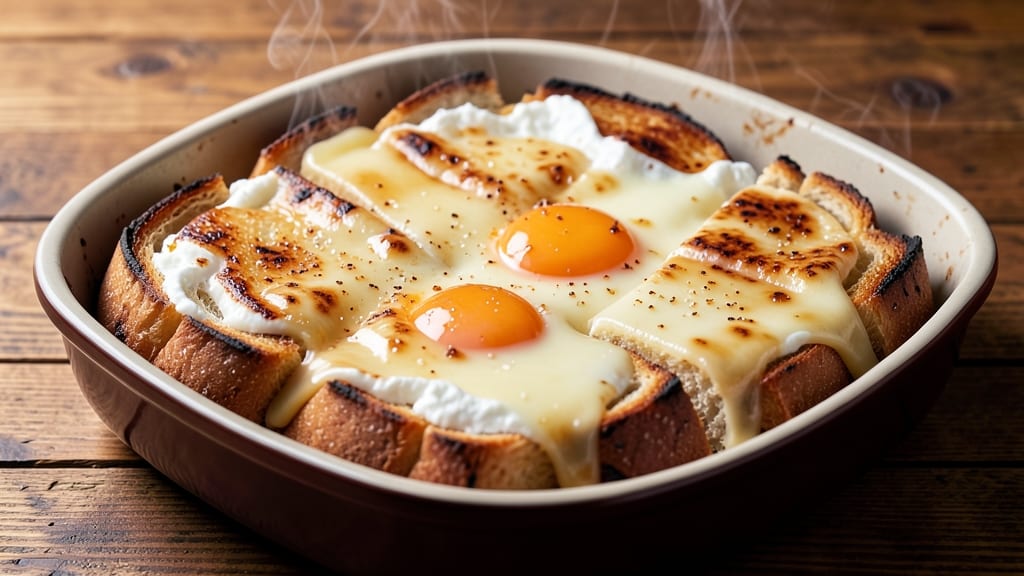
This artisan bread pudding recipe transforms stale bread into a decadent dessert with crispy toasted edges and a silky vanilla custard center. The secret lies in soaking thick slices of French bread in a rich custard mixture, then baking until golden and caramelized.
I developed this version after years of experimenting with textures—no more soggy centers or dry crusts here.
What sets this recipe apart is the balance of techniques: a warm custard base infused with vanilla and a touch of cinnamon, paired with bread that's perfectly toasted without burning.
The result is a dessert that's elegant enough for dinner parties but simple enough for weeknight cravings. Every bite delivers that perfect contrast of crispy exterior and custardy interior.
By the time it emerges from the oven, your bread pudding will have developed a beautiful golden-brown crust with caramelized edges, while the custard inside remains velvety and rich. The aroma alone will have everyone gathering around the kitchen, and the first bite will silence any skeptics.
This is comfort food at its finest—warm, inviting, and impossible to resist.
Serve it warm with a drizzle of caramel sauce or a dollop of whipped cream for that restaurant-quality touch. The beauty of this recipe is its versatility—you can customize it with spices, liqueurs, or even fruit compotes to suit any palate.
Let's create something truly special with this artisan bread pudding.
Ingredients for artisan bread pudding
Six ingredients transform stale bread into a restaurant-worthy dessert with perfect crispy edges.
| Ingredient | Amount | Notes |
|---|---|---|
| Stale French Bread Loaf 🍞 | 1 ½ lb | Crust removed, sliced thick |
| Large Eggs 🥚 | 6 whole | Room temperature preferred |
| Heavy Cream 🥛 | 1 ½ cups | Full-fat for richness |
| Whole Milk 🥛 | 1 cup | Warmed slightly |
| Granulated Sugar 🍚 | 1 cup | Light brown sugar works too |
| Pure Vanilla Extract 🌿 | 2 tsp | High-quality preferred |
| Ground Cinnamon 🍃 | 1 ½ tsp | Freshly ground preferred |
| Unsalted Butter 🧈 | ½ cup | Cubed for topping |
| Granulated White Sugar 🍚 | ¼ cup | For caramelizing crust |
| Salt 🧂 | ½ tsp | Kosher or sea salt |
| Vanilla Bean Paste 🌿 | 1 tbsp | Optional for depth |
| Light Corn Syrup 🍯 | ¼ cup | Prevents graininess |
The bread is non-negotiable here—French bread with a thick crust delivers that ideal texture. Baguettes from Trader Joe's or local bakeries work best, but any crusty loaf will do. Look for slices that are at least 1-inch thick to prevent a soggy center. If you're using day-old bread, toast it lightly first to revive the texture. The eggs should be fresh and room temperature—this ensures a silky custard. I always grab a dozen from Whole Foods when I'm baking, but the regular grocery store eggs work fine too. For the vanilla, Madagascar bourbon vanilla adds a luxurious depth, but pure extract works perfectly well.
No vanilla bean paste? Double the extract—just add it directly to the custard. Running short on corn syrup? Honey or maple syrup at half the amount will work, though the texture might be slightly less stable. The cinnamon can be swapped for nutmeg or cardamom if you're feeling adventurous, but stick to the original for that classic bread pudding flavor. For the sugar, light brown sugar adds subtle molasses notes, while turbinado sugar gives a crunchier crust. And if you're worried about the custard being too rich, reduce the cream by 2 tablespoons and add an extra splash of milk to balance it out.
This dessert reheats beautifully—honestly tastes better the next day once the flavors meld. Store leftovers in an airtight container in the fridge for up to 4 days, or freeze portions for 3 months. For serving, I like to sprinkle a little extra cinnamon on top right out of the oven. The crust stays crispy for about 15 minutes after baking, so don't wait too long to serve. If you're making this ahead for a party, assemble it in the morning and bake just before serving—everyone will think you slaved all day.
Why You'll Love This Recipe
- No Waste Magic: I swear by this trick—stale French bread isn’t trash, it’s treasure. Tear it up, toss it in, and suddenly you’ve got a dessert that actually uses what you’d normally toss. (Yes, even the crusty bits.)
- Creamy Crisp Perfection: That heavy cream and whole milk combo? It turns the edges into golden, buttery shards while keeping the center pillowy. Honestly, the contrast is what makes it—no dry bites here.
- Breakfast to Dessert: Make it for dinner, reheat it the next morning with a sprinkle of cinnamon. Or serve it warm with ice cream for a crowd. I’ve even used it as a fancy first course when company’s coming. (They’ll never guess it’s bread pudding.)
- Budget-Friendly Luxury: Eggs, milk, sugar—these are pantry staples that won’t break the bank. And leftovers? They reheat like a dream, so you’re basically getting two desserts for the price of one. (My wallet approves.)
Step-by-step instructions for artisan bread pudding
Here's how to transform stale bread into a decadent dessert with perfectly balanced textures.
Prepare the Bread Loaf
Begin by removing the crust from the 1.5 lb stale French bread loaf using a sharp serrated knife. Cut the bread into ½-inch thick slices—this thickness ensures even baking and crispy edges. Arrange the slices in a single layer on a baking sheet and toast in a 375°F oven for 8-10 minutes until golden and crisp. The bread should be firm to the touch but not hardened.
Here's the key: don't over-toast. You want the bread to be crispy on the outside but still soft enough to absorb the custard mixture. I like to flip the slices halfway through toasting for even browning. Once toasted, let them cool completely before assembling the pudding—this prevents the custard from turning soggy.
Make the Custard Mixture
In a large mixing bowl, whisk together the 6 whole large eggs, 1.5 cups heavy cream, 1 cup whole milk, 1 cup granulated sugar, 2 tsp pure vanilla extract, 1.5 tsp ground cinnamon, 0.5 tsp salt, and 1 tbsp vanilla bean paste. The mixture should be smooth and well-combined, with no visible streaks of egg. I prefer using a whisk for this step to incorporate air gently and create a lighter texture.
Next, stir in the 0.25 cup light corn syrup. This ingredient is crucial—it prevents the custard from becoming grainy as it bakes. The syrup also adds subtle sweetness and helps the bread absorb the mixture more evenly. Give the mixture one final stir to ensure all ingredients are fully incorporated before proceeding.
Assemble the Bread Pudding
In a 9x13-inch baking dish, arrange half of the toasted bread slices in a single layer, slightly overlapping if needed. Pour half of the custard mixture evenly over the bread, allowing it to soak in for 2-3 minutes. Repeat with the remaining bread slices and custard mixture, pressing down gently to ensure even saturation.
This layering technique creates the signature crispy-toasted contrast with the creamy custard. I press down gently on the top layer to help the bread absorb the custard more thoroughly. If any bread slices aren't fully soaked, you can add a splash of milk or cream to help distribute the mixture evenly.
Bake to Golden Perfection
Preheat your oven to 350°F. Dot the top of the assembled bread pudding with the 0.5 cup unsalted butter cubes and sprinkle evenly with the 0.25 cup granulated white sugar. The butter will melt and create a rich, caramelized crust, while the sugar adds a delightful crunch.
Bake for 45-50 minutes until the top is golden brown and the edges are set. The center should still have a slight wobble when gently shaken—this indicates it's fully cooked but still custardy inside. If the top browns too quickly, tent the dish with foil to prevent over-browning while the center finishes cooking.
Rest and Serve
Remove the bread pudding from the oven and let it rest for 15-20 minutes before serving. This resting period allows the custard to set slightly and makes it easier to slice without falling apart. The pudding should be firm enough to cut cleanly but still warm and gooey inside.
Serve warm with a dusting of powdered sugar or a scoop of vanilla ice cream. The contrast of crispy bread crust with the creamy custard is what makes this dessert truly special. Each bite should deliver a perfect balance of textures—crunchy, creamy, and perfectly sweet.
Pro Tips For Making Artisan Bread Pudding
- Cube the Bread Small: I learned this the hard way—big chunks sink to the bottom and turn soggy while the top burns. Aim for 1-inch cubes or smaller; they’ll soak up the custard evenly and give you that perfect tender-crisp texture throughout.
- Whisk Eggs Until Thick: Don’t just crack and stir—whisk the eggs with sugar until they’re pale, thick, and ribbon-like. This step dissolves the sugar fully and creates a smoother custard, so your pudding won’t have that grainy aftertaste.
- Skip the Boiling Milk: Yes, even if you’re impatient like me. Warm the milk and cream to just under simmer (160°F) before mixing—any hotter and you’ll scramble the eggs. A thermometer helps, but if you’re eyeballing it, steam should just start to rise.
- Bake Covered First: Tent the dish with foil for the first 30 minutes. This traps steam and helps the custard set without forming a skin, so you avoid that sad, dry top while the center stays creamy. Pull the foil when the edges start to puff.
Essential equipment for this dish
Baking Dish Essentials
For this recipe, a 9x13-inch baking dish is non-negotiable—it gives you the perfect surface area for even baking and crispy edges. I recommend using a ceramic or glass dish (like Pyrex) because they distribute heat evenly and prevent hot spots.
Avoid dark-colored metal pans—they can over-brow the crust too quickly. If you only have a round dish, a 9-inch pie dish works but may require slightly longer baking time. 🔥
Mixing Tools Matter
A whisk is your best friend for the custard mixture—it creates air pockets for a lighter texture. I use a Ball silicone whisk because it's gentle on eggs and easy to clean.
For the bread slices, a sharp serrated knife (like Mercer Culinary Genesis) cuts cleanly without crushing the loaf. If you don’t have one, a pizza cutter works in a pinch, though you’ll lose some precision.
Butter & Sugar Tools
For the ½ cup unsalted butter cubes, use a small offset spatula to dot them evenly across the top—this creates pockets of melted butter that caramelize beautifully. I keep a small bowl of ice water nearby to soften butter quickly if needed.
For the ¼ cup sugar, a fine-mesh sieve ensures even distribution without clumping. A microplane works too if you prefer a more rustic texture.
Oven Thermometer
Your oven’s temperature gauge can be off by 25°F or more, and bread pudding is unforgiving. I always use a Thermoworks Oven Thermometer to confirm 350°F accuracy. If your oven runs hot, reduce the temperature to 325°F and bake for 55-60 minutes instead.
Pro tip: Place the thermometer near the baking dish’s center for the most accurate reading. ⏰
Optional Extras
For caramel drizzle, a small saucepan and heat-safe spatula are all you need. If adding fruit compote, a small ladle helps distribute it evenly. And for plating, a long serrated knife (like Dexter-Russell) ensures clean slices. These tools aren’t mandatory, but they elevate presentation and make serving easier.
Storage Containers
Leftovers deserve an airtight container—I use glass Pyrex with a snap-on lid for fridge storage (up to 4 days). For freezing, quart-sized freezer bags with 1-inch headspace prevent freezer burn. Label with the date and reheat covered with a damp towel on low heat to restore crispiness. 💫
Nutrition facts
Frequently asked questions
Can I use any type of bread for artisan bread pudding?
While you can experiment, French bread or baguettes work best—their sturdy crust holds up to soaking and creates that signature crispy texture. Avoid soft breads like brioche or challah, as they'll turn mushy. For a rustic twist, try sourdough or challah, but cut them slightly thinner (¼-inch) to prevent a gummy center.
Why is my bread pudding too custardy and not crispy?
This usually happens when the bread isn't toasted enough before soaking or the custard mixture is too thin. Toast your bread until golden and firm (not just warm), and let it cool completely before assembling. For extra crispiness, bake an additional 5 minutes under the broiler at the end, watching closely to avoid burning.
Can I make this ahead of time?
Assemble the pudding up to 24 hours ahead and refrigerate uncovered. When ready to bake, let it sit at room temperature for 30 minutes before baking as directed. The flavors deepen overnight, and the crust will be even more caramelized. For parties, bake it in the morning and reheat covered with foil at 300°F for 15 minutes.
What's the best way to reheat leftovers?
Reheat in a 350°F oven for 10-15 minutes covered with foil to restore moisture, then uncover for the last 2 minutes to crisp the top. For microwave reheating, cover with a damp paper towel and heat in 30-second bursts until warm—this prevents rubberiness. The crust may soften slightly, but the custard stays creamy.
How can I add boozy flavors without alcohol?
Swap alcohol for extracts or syrups: replace ½ cup liqueur with 1 tbsp vanilla extract + 1 tbsp maple syrup for vanilla depth, or use 1 tsp almond extract + 1 tbsp orange zest for an amaretto-like flavor. For coffee lovers, add 1 tbsp instant espresso powder to the custard mixture. The alcohol cooks off completely during baking.