
Side Dishes
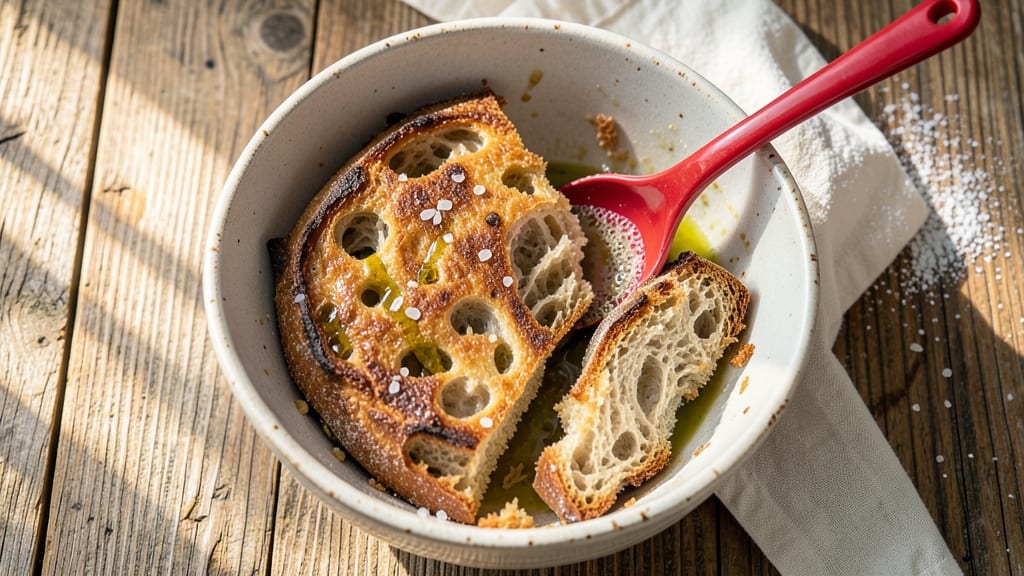
This artisan ciabatta bread recipe delivers the perfect balance of airy, open crumb and crispy golden crust—just like you'd find in a high-end bakery. The secret lies in a high-hydration dough that develops its signature pockets during proofing, creating that irresistible texture in every bite.
I've perfected this method over years of baking, and it's finally time to share the foolproof technique that transforms simple ingredients into restaurant-quality bread.
The process starts with a straightforward dough made from just five core ingredients: bread flour, water, yeast, salt, and a touch of olive oil for richness. What sets this recipe apart is the two-stage proofing—first a gentle bulk fermentation, then shaping and final proofing in a warm environment.
This careful timing creates those coveted air pockets while developing deep flavor. The dough is baked until the crust achieves that crispy, golden perfection you crave, with a tender crumb inside that practically melts in your mouth.
What makes this ciabatta truly special is how versatile it is once baked. Use it for open-faced sandwiches, toast it for bruschetta, or serve warm with olive oil and balsamic.
The open crumb structure holds up beautifully to rich toppings while maintaining its signature airiness. This isn't just bread—it's a textural experience that elevates any meal from ordinary to extraordinary.
Ready to master the art of ciabatta? The process is simpler than you think, and the results will impress even seasoned bakers. Let's get started with a dough that's equal parts forgiving and rewarding—once you taste that first pull-apart bite, you'll understand why this recipe has become a kitchen staple.
Ingredients for artisan ciabatta bread
Five core ingredients transform into restaurant-quality ciabatta with the right technique and patience.
| Ingredient | Amount | Notes |
|---|---|---|
| Bread Flour 🌾 | 4 cups | High-protein, 12-14% protein content |
| Water 💧 | 2 ¾ cups | Room temperature, 70°F |
| Active Dry Yeast 🍞 | ¼ oz | Or 2.25 grams, 1 packet |
| Fine Sea Salt 🧂 | 1 ½ tsp | Diamond Crystal preferred |
| Extra-Virgin Olive Oil 🫒 | 1 tbsp | For dough enrichment |
| Semolina Flour 🌾 | ¼ cup | For dusting and scoring |
| Cornmeal 🌽 | ¼ cup | For baking surface |
| Coarse Kosher Salt 🧂 | ½ tsp | For final crust enhancement |
The bread flour is non-negotiable—King Arthur or Caputo are my go-tos for that signature open crumb. If you can't find high-protein flour, all-purpose plus 1 tbsp vital wheat gluten works in a pinch. The yeast should be fresh; if it's been sitting in your pantry for months, test it first. For the olive oil, California Early Harvest or Colavita adds subtle fruitiness that complements the dough's development. Room temperature water is crucial—cold water slows fermentation, while warm water can overactivate the yeast. Measure your water precisely; ciabatta dough is 70% hydration, which is why it develops those coveted air pockets.
No semolina? Fine cornmeal or all-purpose flour will work for dusting, though semolina adds that signature crunch. Running out of cornmeal for the baking surface? Unbleached all-purpose flour is fine, though it won't brown as beautifully. The coarse kosher salt on top isn't just for flavor—it creates those crispy salt crystals that define artisan ciabatta. If you're short on time, you can use table salt at half the amount, but the texture won't be as refined. For the yeast, if it's not active after 5 minutes in warm water, toss it and start fresh—no half-measures here. The olive oil can be swapped for avocado oil if you prefer a neutral flavor, though olive oil adds depth.
Store the dough in an airtight container in the fridge for up to 24 hours before baking—this actually improves flavor through cold fermentation. Once baked, ciabatta keeps at room temperature for 3 days wrapped in a clean kitchen towel, or 5 days in the fridge. For longer storage, slice and freeze portions for up to 3 months. To revive stale bread, wrap in foil and bake at 350°F for 5-10 minutes. The crust is best eaten fresh, but the crumb stays tender for days—perfect for sandwiches or crostini.
Why You'll Love This Recipe
- Four-Ingredient Magic: I swear by this—just flour, water, yeast, and olive oil. No fancy add-ins, no stress, yet it delivers restaurant-quality texture every time.
- Crispy-Creamy Obsession: That shatteringly crisp exterior with a pillowy, airy crumb? It’s the olive oil and slow bake doing all the work—no fancy kneading required.
- Weeknight Superstar: Toss together the dough in the morning, let it rise while you’re at work, and bake it for dinner. Warm ciabatta with dinner leftovers? Absolute win.
- Budget-Proof Luxury: A loaf costs pennies but feels like a splurge—especially when you slice it thick, drizzle with olive oil, and call it a meal. My wallet thanks me.
Step-by-step instructions for artisan ciabatta bread
Master the signature open crumb and crisp exterior with these precise techniques.
Activate the Yeast and Begin the Dough
In a large mixing bowl, combine the 2.75 cups water at room temperature with the 0.25 oz active dry yeast. Let this sit for 5-10 minutes until the mixture becomes frothy and bubbles form on the surface. This confirms the yeast is active and ready to work.
Add the 4 cups bread flour and 1.5 tsp fine sea salt to the yeast mixture. Stir with a wooden spoon until a shaggy dough forms. Then add the 1 tbsp extra-virgin olive oil and mix until fully incorporated. The dough will be sticky and loose at this stage, which is normal for ciabatta's signature open texture.
Develop the Dough Through Autolyse and Stretch-and-Folds
Cover the bowl with a damp kitchen towel and let the dough rest for 30 minutes. This autolyse step allows the flour to fully hydrate and develop gluten strands without the yeast working yet. The dough will become more pliable and easier to handle.
After resting, perform a series of stretch-and-folds every 30 minutes for 2 hours total. Wet your hands with water to prevent sticking, then grab one side of the dough, stretch it upward, and fold it over itself. Rotate the bowl and repeat this motion all around the dough. This builds strength while maintaining the open crumb structure that defines ciabatta.
Bulk Ferment Until Doubled in Size
After the final stretch-and-fold, cover the dough again and let it bulk ferment at room temperature for 1-1.5 hours, or until it has doubled in size and feels light and airy when pressed gently. The dough should spring back slowly rather than immediately—this indicates proper gluten development.
During this time, the yeast will create gas bubbles that will later become those signature air pockets. I like to perform one final set of gentle stretch-and-folds after 1 hour of bulk fermentation to enhance the oven spring later. The dough should be noticeably puffier and have a slightly jiggly surface when ready.
Shape and Final Proof
Lightly flour a work surface with semolina flour and turn out the dough. Gently shape it into a loose log by folding the ends toward the center and rolling it toward you. The dough should remain slightly irregular—don't overwork it or you'll deflate those precious air bubbles.
Place the shaped dough in a lightly oiled bowl, seam-side up, and cover with a damp towel. Let it proof at room temperature for 1-1.5 hours, or until it has risen about 50% larger. The dough should feel light and springy when pressed gently. This final proof is crucial for achieving that signature ciabatta texture and height.
Bake for Crispy Crust and Airy Interior
Preheat your oven to 450°F with a baking stone or inverted baking sheet inside. Line a baking sheet with parchment paper and sprinkle evenly with cornmeal. Transfer the proofed dough to the prepared sheet, cut a few shallow slashes across the top with a razor blade, and sprinkle with coarse kosher salt.
Bake for 20-25 minutes until the crust is deep golden brown and sounds hollow when tapped on the bottom. The internal temperature should reach 190-200°F. Immediately transfer to a wire rack to cool completely before slicing—this prevents the bread from becoming gummy. The result should be a crisp exterior with an open, airy interior and those signature pockets that make ciabatta so irresistible.
Pro Tips For Making Artisan Ciabatta Bread
- STRETCH AND FOLD: Don’t just slap that dough into the pan—after shaping, stretch it gently into a loose rectangle, then fold the long sides toward the center like a letter. Repeat twice more. This builds the signature open crumb without overworking the gluten (yes, even if it looks messy at first).
- WEIGH YOUR WATER: Use a scale for the water—no eyeballing. Ciabatta’s hydration is high (around 75-80%), and too much or too little throws off the texture. I learned this after making a batch that turned out dense because I guessed and got it wrong.
- SALT THE DOUGH, NOT THE WATER: Dissolve the fine sea salt directly into the flour before adding water—this ensures even distribution. Adding it later creates pockets of saltiness and weak spots. (Trust me, you’ll taste the difference when you bite into a perfectly balanced slice.)
- STEAM THE OVEN FIRST: Preheat the oven to max (500°F/260°C) with a metal bowl of boiling water on the bottom rack for 10 minutes. The steam helps the crust blister and rise dramatically—no need for fancy equipment. Skip this, and you’ll end up with a flat, sad loaf.
Serving suggestions for this recipe
Open-Faced Sandwiches
Ciabatta's airy crumb makes it perfect for open-faced sandwiches—just tear off a chunk and top with your favorite fillings. I love prosciutto, fresh mozzarella, and roasted tomatoes drizzled with balsamic glaze for an Italian-inspired brunch.
For a heartier option, try grilled chicken, arugula, and pesto—the bread's texture soaks up flavors beautifully. 🥗
Bruschetta Toppings
Toast thick slices of ciabatta until golden and crisp, then top with classic bruschetta—diced tomatoes, fresh basil, garlic-infused olive oil, and a pinch of flaky sea salt.
For a twist, swap tomatoes for whipped goat cheese and honey or smoked salmon and cream cheese. The open crumb structure holds toppings without collapsing. ✨
Dipping Bread
Serve warm ciabatta with olive oil and balsamic vinegar for a simple yet elegant appetizer. I drizzle high-quality extra-virgin olive oil (like Colavita) and a splash of aged balsamic for a balance of richness and acidity.
For extra flair, add a sprinkle of red pepper flakes or fresh herbs like thyme or rosemary. 🫒
Breakfast Crostini
Transform ciabatta into breakfast crostini by topping toasted slices with ricotta cheese, honey, and sliced figs or scrambled eggs, avocado, and everything bagel seasoning. The bread's sturdy yet tender crumb holds up to creamy toppings while adding a satisfying bite. Perfect for a lazy weekend morning! 🍳
Gourmet Charcuterie
Use ciabatta as a charcuterie base—its open texture contrasts beautifully with cured meats, cheeses, and fruits. Pair prosciutto di Parma with aged pecorino, fig jam, and walnuts for a sophisticated spread. The bread's ability to absorb flavors makes it a showstopper at any gathering. 🧀
Meal Prep Versatility
Slice ciabatta and freeze portions for quick meals—toast straight from frozen for crispy sandwiches or add to soups for hearty texture. I also love using it as a taco shell substitute for stuffed ciabatta tacos with pulled pork or grilled shrimp.
The open crumb soaks up sauces while staying sturdy. 💡
Nutrition facts
Frequently asked questions
Why does my ciabatta dough feel too sticky?
This high-hydration dough is intentionally sticky—it's what creates those signature air pockets! Use wet hands when handling and avoid adding extra flour, which can tighten the crumb. The stickiness also helps trap gas during proofing, so embrace it as part of the process.
Can I make ciabatta without a baking stone?
Use an inverted baking sheet or cast-iron skillet on the middle rack for similar heat distribution. For extra crispiness, place the dough on parchment paper on the sheet and bake as directed. The key is proper oven preheating to 450°F for that bakery-style crust.
How do I know when ciabatta is fully baked?
Look for a deep golden brown crust and listen for a hollow sound when tapping the bottom. The internal temperature should reach 190-200°F. If it browns too quickly, tent with foil to prevent burning while the center finishes baking. Patience here ensures that perfect crispy-tender balance!
What's the best way to store leftover ciabatta?
Wrap in a clean kitchen towel (not plastic) to preserve moisture for 3 days at room temperature. For longer storage, slice and freeze portions for up to 3 months. To revive, toast straight from frozen or warm in a 350°F oven for 5-10 minutes. The crust stays crispy while the crumb remains tender.
Can I add herbs or seeds to this recipe?
Yes! Try adding 1 tbsp dried rosemary or sesame seeds to the dough for extra flavor. For visible toppings, sprinkle poppy seeds or flaky salt before baking. Just be mindful not to overwork the dough when incorporating mix-ins, as this can deflate those precious air pockets.