
Breakfast & Brunch
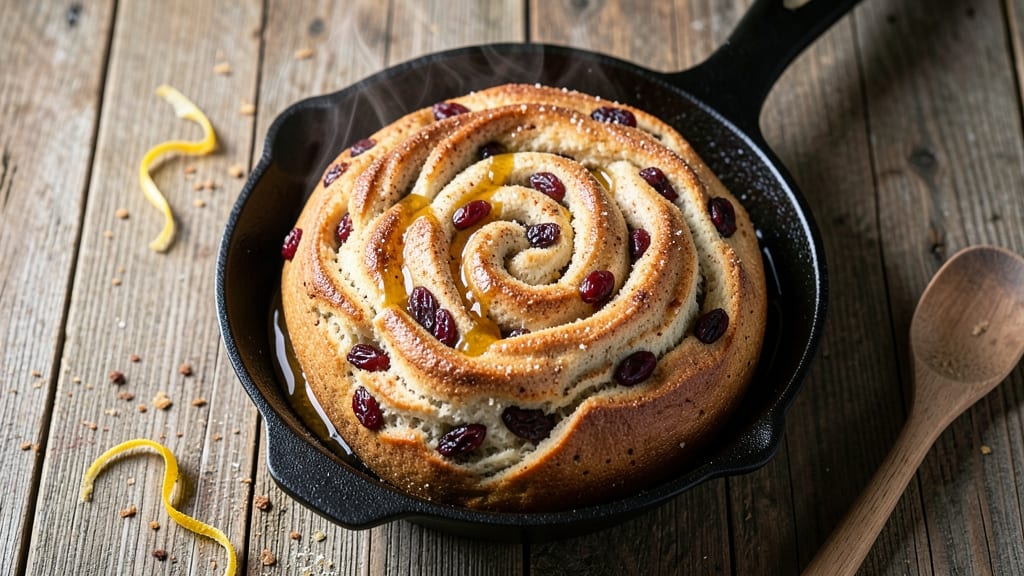
This artisan cinnamon raisin bread recipe delivers a crispy golden crust and warm, fragrant swirls of vanilla-infused cinnamon that transform any breakfast into something special. The secret lies in a slow fermentation that develops deep flavor while keeping the texture tender yet sturdy enough to hold those gooey raisin pockets.
I've perfected this method over years of baking—no shortcuts, just layers of warmth and spice that make every slice irresistible.
The dough starts with a foolproof combination of bread flour and honey, creating a slightly sweet base that balances the cinnamon's warmth. Vanilla bean paste (not extract) infuses the cinnamon filling with subtle depth, while plump raisins soaked in rum or orange juice add moisture and complexity.
What sets this apart is the 30-minute proofing at room temperature followed by a final rise in the oven—this creates that signature crackly top while keeping the crumb soft and airy.
By the time it emerges from the oven, you'll have a loaf with a crispy, caramelized crust that gives way to tender layers of dough and fragrant filling.
The aroma alone will have everyone gathering around the table, while the first bite delivers warm, spiced raisins melting against the soft bread. This isn't just breakfast—it's a centerpiece that deserves to be served with butter, jam, or even as a dessert with a dusting of powdered sugar.
Perfect for holidays, weekend brunches, or gifting, this recipe scales beautifully and keeps well for days. The key is patience—letting the dough work its magic during fermentation pays off in flavor that's impossible to replicate with quick methods. Let's get started on creating your own loaf of homemade magic.
Ingredients for artisan cinnamon raisin bread
Eight ingredients transform into a loaf with crispy crust and fragrant cinnamon swirls.
| Ingredient | Amount | Notes |
|---|---|---|
| Bread Flour 🌾 | 5 cups | High-protein for structure |
| Granulated Sugar 🍚 | ¼ cup | For subtle sweetness |
| Instant Yeast 🍞 | 2 tsps | Active dry works too |
| Honey 🍯 | ¼ cup | For fermentation and flavor |
| Salt 🧂 | 1 tsp | Kosher or sea salt |
| Unsalted Butter 🧈 | ½ cup | Cold, cubed for dough |
| Whole Milk 🥛 | ¼ cup | Warm for activation |
| Large Eggs 🥚 | 1 whole | Room temperature |
| Cinnamon 🌶️ | ½ cup | Ground, for filling |
| Vanilla Bean Paste 🍦 | 1 tbsp | Not extract for depth |
| Light Brown Sugar 🍚 | ½ cup | Packed for moisture |
| Raisins 🍇 | 1 ½ cups | Plump, soaked in rum |
| All-Purpose Flour 🌾 | ½ cup | For dusting and rolling |
| Coarse Sugar 🍚 | ¼ cup | For sprinkling top |
The bread flour is non-negotiable here—King Arthur or Bob's Red Mill are my go-tos for that perfect structure. Cinnamon should be fresh-ground if possible, but store-bought works fine (just check the expiration date). For the raisins, soak them in rum or orange juice for 30 minutes—this plumps them up and adds depth. The vanilla bean paste? Worth the splurge over extract. I grab mine from Williams Sonoma or Trader Joe's—both carry quality options. The butter needs to be cold for the dough, so take it out of the fridge just before mixing.
No honey? Maple syrup works at a 1:1 ratio, though it may darken the crust slightly. Short on raisins? Dried cranberries or chopped dates add a nice twist. The dough requires patience—30 minutes of room-temperature proofing is crucial for that tender crumb. If you're in a rush, you can speed it up with a bit more yeast (add 0.5 tsp), but the flavor won't be as developed. For the filling, if you can't find vanilla bean paste, vanilla extract plus a pinch of sugar gets you close. The coarse sugar on top? Turbinado or demerara gives the best caramelization.
This loaf keeps beautifully—3 days at room temperature wrapped in a towel, or 1 week in the fridge. For longer storage, freeze the baked loaf (without wrapping) for up to 3 months. To reheat, wrap in foil and warm in a 350°F oven for 10 minutes. Slice it while still warm for those gooey raisin pockets. The aroma alone will have your house smelling like a bakery—trust me, it's worth the wait.
Why You'll Love This Recipe
- No-Knead Nightmare Solved: I swear by this dough—just mix, let it rise, and forget about it. That honey? It keeps the crumb soft without tasting cloying, and the bread flour gives it that proper artisan texture without the fuss of kneading.
- Sweet Spice Magic: The cinnamon-sugar swirls caramelize just enough to make every bite taste like a hug. Honestly, the raisins plump up perfectly, and that touch of granulated sugar? It’s the secret to a bread that’s sweet but not sickly—like a grown-up dessert.
- Breakfast to Brunch Hero: I make this on Sundays, slice it for toast in the morning, and still have enough for dinner rolls. It’s the ultimate crowd-pleaser—whether you’re feeding a family or hosting a casual brunch where no one wants to leave.
- Budget-Friendly Staple: Bread flour and honey are cheap, and this loaf lasts forever—freeze slices for toast or sandwiches later. Between us, I’ve turned this into a money-saver: one batch feeds me for days, and the leftovers? Pure gold.
Step-by-step instructions for artisan cinnamon raisin bread
Mastering this recipe delivers a golden crust, tender crumb, and those signature swirls of vanilla-cinnamon filling.
Activate Yeast and Prepare Dough Base
In a stand mixer fitted with the dough hook, combine the 5 cups bread flour, 0.25 cup granulated sugar, 2 tsps instant yeast, and 1 tsp salt. Mix on low speed for 30 seconds to distribute the ingredients evenly. In a separate small bowl, whisk together the 0.25 cup warm whole milk (about 110°F), 0.25 cup honey, and 1 whole large egg until fully combined.
With the mixer running on low, gradually pour in the wet ingredients while scraping down the sides of the bowl. Increase the speed to medium and knead for 5-7 minutes until the dough becomes smooth and elastic, pulling away from the sides of the bowl. The dough should pass the windowpane test—when stretched thin, it should be translucent without tearing. If it's too sticky, add 1 tablespoon of all-purpose flour at a time until it reaches the right consistency.
Create the Cinnamon Raisin Filling
In a medium bowl, mix together the 0.5 cup light brown sugar, 0.5 cup cinnamon, 1 tbsp vanilla bean paste, and 1.5 cups raisins. If using, add 1 tablespoon of rum to the raisins and let them soak for 10 minutes to plump them up. This step ensures the filling has deep flavor and moisture, which will contrast beautifully with the bread's crust.
Roll the dough out on a lightly floured surface into a 12x18-inch rectangle, about ¼-inch thick. Spread the cinnamon mixture evenly over the dough, leaving a ½-inch border around the edges. Starting from the long side, tightly roll the dough into a log, pinching the seam to seal. This creates those classic swirls when sliced.
First Rise and Shaping
Place the sealed dough log seam-side down in a greased 9x5-inch loaf pan. Cover with a clean kitchen towel and let it rise in a warm place for 1-1.5 hours, or until it has nearly doubled in size. The dough should feel springy when gently pressed—it should leave a slight indentation but not flatten completely.
While the dough rises, preheat your oven to 375°F. This temperature ensures a crispy top while keeping the interior moist. If the dough rises too quickly, place it in the refrigerator for 15-20 minutes to slow fermentation and develop more flavor.
Bake to Golden Perfection
Brush the risen dough with the 0.5 cup melted unsalted butter, then sprinkle evenly with the 0.25 cup coarse sugar for that signature crunchy top. Bake for 35-40 minutes, until the bread reaches an internal temperature of 190-200°F and the top is deep golden brown. Tap the loaf gently—it should sound hollow when done.
For the crispiest crust, immediately transfer the bread to a wire rack to cool for 10 minutes. This prevents steam from softening the bottom. Once cooled, slice into ½-inch thick pieces to reveal those beautiful swirls of cinnamon and raisin filling. Serve warm for the best texture and flavor.
Pro Tips For Making Artisan Cinnamon Raisin Bread
- Weigh Your Flour: If your bread turns out dense instead of light, you’re probably scooping flour straight from the bag. Bread flour is deceptive—it packs differently than all-purpose. Use a kitchen scale for the exact 500g (or whatever your recipe calls for), then gently level it off with a knife. I learned this the hard way after three batches that tasted more like bricks than bread.
- Bloom the Yeast Properly: Skip the warm water test and just toss your instant yeast straight into the dry ingredients? That’s a shortcut that backfires. Instead, mix the yeast with the honey and a splash of warm (not hot) water first—let it sit for 5 minutes until it bubbles. This ensures it’s active before it hits the flour, which makes all the difference in rise time and flavor.
- Fold, Don’t Stir: When adding the cinnamon-sugar mixture and raisins to the dough, resist the urge to mix it in like cake batter. Instead, gently fold it in with a spatula or your hands—just enough to distribute it evenly. Overmixing now will deflate the gluten you’ve worked so hard to develop, and you’ll end up with a tough loaf instead of that tender, pull-apart texture.
- Steam the First 10 Minutes: That shiny egg wash on top? Don’t bake it right away. Preheat your oven to 375°F (190°C), then place your shaped loaf on a baking stone or inverted sheet pan. Once it goes in, immediately pour a cup of boiling water into a tray on the lower rack. The steam creates a crisp, crackly crust instead of a sad, flat top—just like your favorite bakery bread. (Yes, even if you’re impatient like me.)
Storing and reheating this dish
Room-Temperature Storage
Keep your loaf fresh for 3 days by storing it at room temperature, wrapped snugly in a clean kitchen towel. This method preserves the bread's signature crust while keeping the interior soft.
I like to place it in a bread box or a large paper bag to maintain that bakery-fresh aroma. Slice it just before serving to enjoy those gooey raisin pockets at their best. 🥖
Refrigerator Storage
Extend freshness to 1 week by refrigerating the loaf in an airtight container or resealable plastic bag. I prefer using glass containers because they allow me to see the bread's progress as it absorbs moisture.
To reheat, wrap the sliced bread in a damp paper towel and microwave for 15-20 seconds—just enough to restore warmth without drying it out.
Freezer Storage
For long-term storage, freeze the baked loaf (without wrapping) for up to 3 months. The lack of wrapping allows the bread to release moisture, preventing freezer burn.
When ready to enjoy, thaw the loaf at room temperature for 2-3 hours or reheat directly from frozen by wrapping it in foil and baking at 350°F for 15 minutes. This method works best for maintaining the bread's texture.
Reheating for Best Results
For the crispiest crust, reheat the entire loaf wrapped in foil at 350°F for 10 minutes. If you prefer individual slices, wrap them in foil and reheat for 5-7 minutes. Avoid the microwave if possible—it can make the bread gummy.
For an extra touch, brush the reheated bread with a little melted butter and sprinkle with coarse sugar for that bakery-style finish. ✨
Reviving Stale Bread
If your bread loses its freshness, don't toss it! Place slices in a paper bag and microwave for 10-15 seconds—the steam helps restore some of that bakery-fresh texture. For a more dramatic revival, wrap the entire loaf in foil and bake at 350°F for 5 minutes.
This trick works wonders for bread that's been sitting out too long.
Serving Warm Tips
Serve your bread warm for the best experience. I like to slice it while still on the wire rack, then brush the slices with melted butter and dust with powdered sugar.
Pair it with a warm cup of coffee or tea for a cozy breakfast. The contrast of warm bread with cold beverages is pure comfort food magic. 💛
Nutrition facts
Frequently asked questions
Can I substitute regular flour for bread flour in this recipe?
While you can use all-purpose flour, the texture will be less tender and the loaf might not rise as well. For best results, replace 1 cup of bread flour with all-purpose flour—but expect a slightly denser crumb. If you're short on bread flour, try a 50/50 mix with whole wheat for added flavor and structure.
Why does my dough smell like alcohol after baking?
That's actually a good sign! The yeast fermentation produces small amounts of alcohol, which contributes to the bread's rich flavor. If the smell is strong, your dough may have overproofed—next time, reduce the rise time by 15-20 minutes or try a cooler environment. For a more pronounced aroma, let the dough rise overnight in the fridge.
How do I fix if my cinnamon filling leaks out during baking?
This happens when the dough isn't properly sealed or the filling is too wet. For next time, roll the dough tighter when sealing the log, and reduce the filling by 1-2 tablespoons. Also ensure your raisins are drained well after soaking. If it happens during baking, simply slice the loaf carefully—you'll still get delicious swirls, just with more filling visible!
Can I make this bread without a stand mixer?
Mix the dry ingredients by hand in a large bowl, then gradually add wet ingredients while stirring with a wooden spoon. Knead the dough on a floured surface for 8-10 minutes until smooth. The dough will be slightly more labor-intensive, but the flavor will be just as rich. Just be patient—those extra minutes of kneading develop the gluten for that perfect texture.
What's the best way to make this bread extra sweet?
For a sweeter loaf, increase the granulated sugar to 0.5 cup in the dough and add 2 tablespoons of brown sugar to the filling. You can also brush the baked loaf with a simple glaze made from 0.25 cup powdered sugar and 1 tablespoon milk. For a decadent treat, fold 0.25 cup white chocolate chips into the filling before rolling.