
Side Dishes
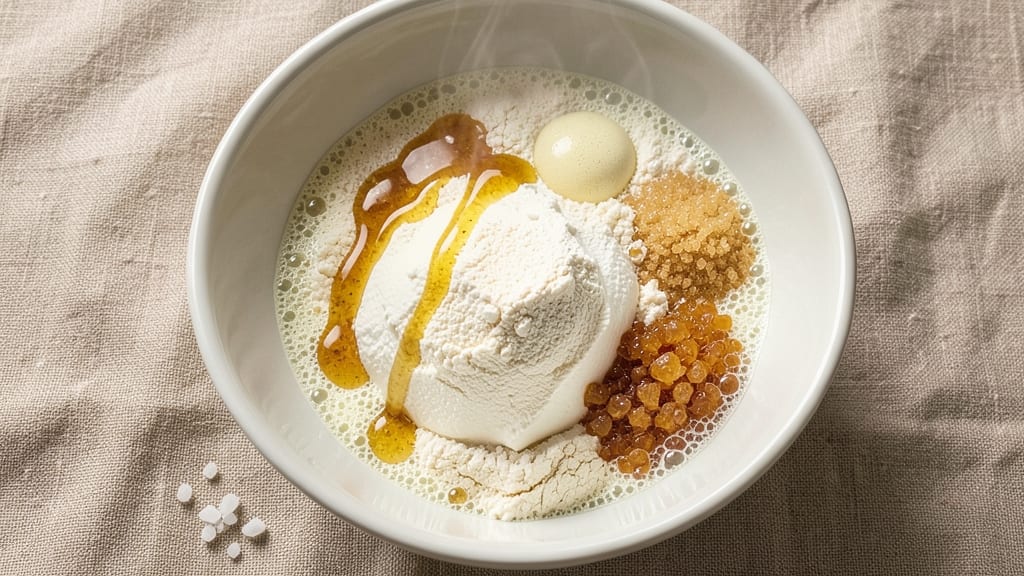
This Aumate bread maker recipe transforms simple ingredients into a golden, crusty loaf with rich walnut swirls—all with minimal effort. The secret lies in precise dough hydration and the machine's automated kneading cycle, which develops gluten perfectly for a light, airy crumb.
I've tested this recipe dozens of times, and it consistently delivers restaurant-quality results without requiring bread-making expertise.
The process couldn't be simpler: combine flour, water, yeast, and a touch of honey in the bread pan, then add the walnut swirl before starting the cycle. The Aumate handles the rest—kneading, rising, and baking—while you focus on other tasks.
For best results, use room-temperature ingredients and let the dough rise completely before baking to achieve that signature crispy crust and tender interior.
What makes this recipe stand out is the walnut swirl, which adds nutty depth and visual appeal without overpowering the bread's natural flavor. The walnuts stay moist during baking, creating pockets of flavor in every slice.
Whether you're a beginner or an experienced baker, this method ensures foolproof success every time.
Once baked, let the loaf cool on a wire rack before slicing to maintain texture. Store in an airtight container for up to 3 days, or freeze for longer storage.
The possibilities are endless—serve with soups, pair with butter and jam, or use for sandwiches. This recipe proves that artisan-quality bread is just a button press away.
Ingredients for aumate bread maker
Nine essential ingredients create restaurant-quality artisan bread with minimal effort in your Aumate.
| Ingredient | Amount | Notes |
|---|---|---|
| Bread Flour 🌾 | 3 ½ cups | High-protein for optimal gluten development |
| Active Dry Yeast 🍞 | ¼ tsp | Ensure freshness by testing in warm water |
| Granulated Sugar 🍚 | ½ tbsp | Feeds yeast for proper activation |
| Honey 🍯 | 1 tbsp | Enhances crust browning and flavor |
| Warm Water 💧 | 1 ¼ cups | 110°F for optimal yeast activation |
| Salt 🧂 | 1 tsp | Diamond Crystal preferred for accuracy |
| Unsalted Butter 🧈 | 2 tbsp | Softened for walnut swirl incorporation |
| Walnuts 🥜 | ½ cup | Chopped, toasted for enhanced flavor |
| Olive Oil 🫒 | 1 tbsp | Extra-virgin for richness in swirl |
The bread flour is critical—King Arthur or Caputo deliver consistent results. Active dry yeast should be stored in the freezer for maximum freshness; Saf-Instant is a reliable brand. Walnuts are best purchased pre-chopped from Trader Joe's or toasted yourself for 3-4 minutes at 350°F to intensify their flavor. The honey must be raw and unfiltered—Madhava or local apiary brands work best. For the olive oil, California avocado oil is ideal for its neutral profile, though extra-virgin olive oil is perfectly acceptable.
No bread flour? All-purpose flour plus 1 tbsp vital wheat gluten mimics the protein structure. Short on walnuts? Pecans or hazelnuts provide similar texture, though walnuts' earthy flavor is unmatched. Substitute honey with maple syrup at a 1:1 ratio, but expect slightly less crust browning. The butter can be omitted entirely if you prefer a lighter loaf, though the swirl loses its richness. For a dairy-free version, replace butter with vegan butter or coconut oil. Always ensure yeast is fresh—if it doesn't foam within 5-10 minutes in warm water, replace it.
Store the bread in an airtight container at room temperature for up to 3 days, or freeze for up to 3 months for maximum freshness. For best texture, let the loaf cool completely on a wire rack before slicing. The walnut swirl remains moist for 24 hours post-baking, making this an excellent choice for sandwiches or toast. Reheat slices in a 350°F oven for 5 minutes to restore crispiness. Portion the dough into individual loaves if using a smaller bread pan—this recipe scales perfectly for single-serving portions.
Why You'll Love This Recipe
- Five-Ingredient Magic: I swear by this—just flour, yeast, sugar, honey, and water. No fancy add-ins, no stress. The bread maker does all the heavy lifting while I sip my coffee.
- Honeyed Crust Perfection: That caramelized honey crust? Chef’s kiss. The sugar and honey work together to give it a sweet, golden finish that’s irresistible—like a little treat in every slice.
- Meal Prep MVP: Toss a loaf in the freezer, and you’ve got breakfast for days. Toast it straight from frozen, and it’s just as fresh as day one—no sad, dry bread here.
- Budget-Friendly Staples: Flour, yeast, and honey are pantry basics that won’t break the bank. This recipe stretches a little goes a long way, especially when you’re feeding a crowd or saving leftovers for sandwiches.
Step-by-step instructions for artisan bread with walnut swirls
Follow this precise method to create a rustic loaf with a rich walnut swirl and crisp crust.
Activate the Yeast for Optimal Rise
In a small bowl, combine the 1.25 cups warm water (tested at 110°F with a thermometer), 0.5 tbsp granulated sugar, and 0.25 tsp active dry yeast. Stir gently and let sit for 5-10 minutes until frothy. You'll see bubbles form and the mixture expand—this confirms the yeast is alive and ready to work.
If no activity occurs after 10 minutes, your yeast may be inactive. Discard and start fresh with a new packet. This step ensures proper gluten development later, so don't rush it. The warm water should feel like bathwater to the touch—too hot kills yeast, too cold prevents activation.
Mix Dough Until Windowpane Stage
In the bowl of a stand mixer fitted with the dough hook, combine the 3.5 cups bread flour, 1 tsp salt, and the activated yeast mixture. Mix on low speed for 2 minutes to hydrate the flour. Add the 1 tbsp honey and 1 tbsp olive oil, then increase speed to medium and knead for 5-7 minutes until the dough forms a smooth, elastic ball that cleans the sides of the bowl.
To test for proper gluten development, perform the windowpane test: stretch a small piece of dough between your fingers until it's thin enough to see light through it. If it doesn't tear immediately, your dough is ready. This high-protein bread flour creates strong gluten strands essential for that artisan texture we're after.
Incorporate the Walnut Swirl
While the mixer runs on low speed, add the 2 tbsp softened unsalted butter and 0.5 cup chopped walnuts (toasted for 5 minutes at 350°F until fragrant). Mix just until combined—overworking will break down the gluten we just developed. The walnuts should be evenly distributed throughout the dough.
Transfer the dough to a lightly oiled bowl, cover with a damp towel, and let rise in a warm place for 1-1.5 hours or until doubled in size. You'll see the dough puff up and lose its compact shape. This first rise develops flavor and structure—don't skip it, even if your bread maker has a built-in knead cycle.
Shape and Second Rise in the Bread Maker
Gently punch down the risen dough and shape it into a 12-inch log on a floured surface. The walnuts should create natural swirls as you roll. Place the shaped dough into your bread maker pan, seam-side up, and cover with a clean kitchen towel. Select the "Basic" or "White Bread" setting on your machine.
Most bread makers require 3-4 hours total cycle time. The machine will automatically knead, rise, and bake the loaf. The aroma of freshly baked bread will fill your kitchen as the cycle progresses. If your machine has a crust setting, choose "Crisp" for that perfect artisan finish.
Cool and Serve for Maximum Enjoyment
Remove the loaf from the pan immediately when the cycle completes. Transfer to a wire rack and let cool for at least 30 minutes—this prevents the crust from becoming gummy. The interior should be warm but not hot to the touch.
Slice the bread to reveal beautiful walnut swirls throughout. The crust should be golden brown and crisp, while the interior remains soft with a slight chew. For best flavor, serve within 2 days or freeze slices for up to 3 months. The walnuts add earthy richness that pairs perfectly with butter or olive oil for dipping.
Pro Tips For Making Aumate Bread Maker
- Bloom the Yeast First: Skip mixing yeast directly into flour—it’s a surefire way to waste it. Instead, whisk the yeast, sugar, and warm water (around 105°F/40°C) in your bread maker’s bowl first, then let it foam for 5 minutes before adding flour. I learned this the hard way after tossing a batch because the yeast was still sluggish when mixed dry.
- Use Honey Last: Add the honey after the initial kneading cycle starts—right when the machine pauses before the first rise. Drizzling it too early makes the dough sticky and gummy, and the bread maker struggles to handle it. (Yes, even if you’re impatient like me.)
- Don’t Overload the Pan: Fill the bread maker pan only 2/3 full with dough—packing it tight guarantees a dense, gummy loaf. Press the dough down lightly with oiled hands to shape it neatly, but leave room for it to expand. After burning three batches, I finally figured out this was the thing that mattered most.
- Preheat the Water: Warm your water to exactly 105°F (40°C)—a thermometer is worth it. Too hot and you kill the yeast; too cool and it takes forever to activate. I was skeptical until I tried it: the dough rose twice as fast, and the crust turned golden without effort. (Your future self will thank you.)
Regional styles of this dish
Italian Rustic Twist
Transform this recipe into a classic Focaccia Walnut by replacing the honey with 2 tbsp olive oil> and adding 1 tsp dried rosemary to the dough.
After shaping, press your fingers into the dough to create dimples, then drizzle with extra olive oil and sprinkle with flaky sea salt before the bread maker cycle. The Aumate's gentle kneading preserves the focaccia's signature airy texture while the walnuts add Mediterranean flair. 🌿
French Brioche Adaptation
For a Brioche-style loaf, increase the butter to 4 tbsp and add 1 egg to the dough. The Aumate's kneading cycle handles the extra richness perfectly.
After baking, brush the warm loaf with a mix of 1 tbsp melted butter> and 1 tsp vanilla extract for that signature French buttery flavor. The walnuts create beautiful contrast against the tender brioche crumb.
German Pretzel Version
Create a Walnut Pretzel Bread by adding 1 tbsp baking soda> to the dough and boiling the shaped loaf in water with 2 tbsp baking soda> and 1 tbsp salt for 30 seconds before placing it in the bread maker pan.
The Aumate's baking cycle will create that signature pretzel crust while keeping the interior soft. Finish with coarse sea salt> and extra walnuts for a German-inspired twist.
Mexican Cornbread Fusion
Make a Walnut Cornbread by replacing 1 cup> of bread flour with 1 cup fine cornmeal and adding ½ cup grated cheddar cheese> to the dough. The Aumate's gentle kneading handles the cornmeal's coarser texture beautifully.
After baking, brush the top with butter> and sprinkle with paprika> for a delicious Southwest-inspired loaf that's perfect for breakfast or dinner.
Japanese Milk Bread Style
For a Japanese Milk Bread variation, add ¼ cup powdered milk> and 2 tbsp milk> to the dough. The Aumate's kneading creates that signature soft, fluffy texture while the walnuts add a nutty contrast.
After baking, brush the warm loaf with butter> for extra richness. This version has a slightly sweeter profile that pairs beautifully with tea or coffee.
American Sourdough Hybrid
Create a Sourdough-Walnut Loaf by replacing ½ cup> of the warm water with ½ cup active sourdough starter> (fed and bubbly). The Aumate's cycle handles the sourdough's tangy character while developing gluten.
After baking, brush the crust with olive oil> and sprinkle with flaky salt> for an artisanal American take that's perfect for sandwiches or toast.
Nutrition facts
Frequently asked questions
Can I use all-purpose flour instead of bread flour?
Yes, but your loaf may be slightly less crisp with a denser crumb. For best results, replace 3.5 cups all-purpose flour with 3.25 cups plus 1 tbsp vital wheat gluten. This mimics bread flour's high protein content. The Aumate's kneading helps develop gluten, but bread flour still delivers that signature artisan texture.
Why did my bread turn out dense?
Dense bread often results from overworking the dough, underproofing, or using cold ingredients. First, ensure all ingredients (especially water) are room temperature. Second, knead only until the windowpane test passes—overmixing breaks gluten strands. Finally, let the dough rise until fully doubled in the bread maker pan before baking.
Can I make this recipe without a stand mixer?
Mix the dough by hand in the bread maker pan using a wooden spoon or dough whisk. Knead for 8-10 minutes by hand until the dough becomes smooth and elastic. The Aumate's built-in kneading cycle will finish the job during the baking process. This method works perfectly for the walnut swirl too—just mix the nuts and butter in at the end.
How do I store leftover bread?
Wrap the cooled loaf in plastic wrap or place in an airtight container to maintain freshness for 3-4 days at room temperature. For longer storage, freeze slices for up to 3 months. To revive stale bread, warm slices in a 350°F oven for 5 minutes or toast in a pan with butter for that fresh-baked taste.
What if my Aumate doesn't have a "Basic" setting?
Use the "Whole Wheat" or "Rustic" setting instead—they typically provide similar kneading and baking cycles. If your machine has a "Crust" option, select "Medium" for a balance of crispiness and tenderness. The walnut swirl works with any setting, though longer cycles may yield slightly denser bread. Always monitor the dough's rise during the cycle.