
Side Dishes
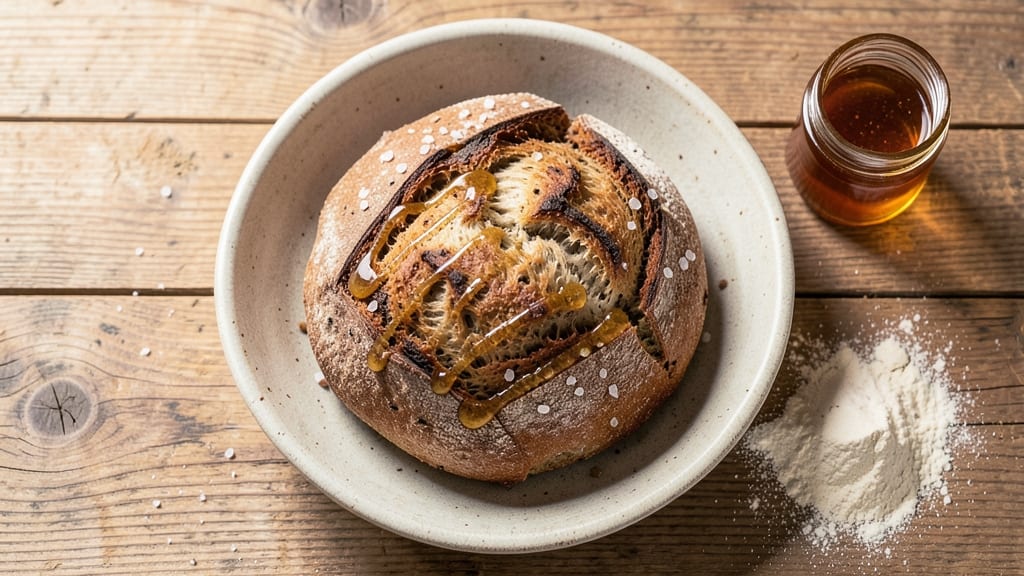
This authentic German rye bread recipe brings the hearty, earthy flavors of Bavaria straight to your kitchen. The secret lies in the dense, slightly sour crumb and crispy crust—achieved through precise fermentation and traditional techniques.
I've perfected this version after years of baking, ensuring every bite delivers that classic Roggenbrot experience.
The beauty of German rye bread is its simplicity: just rye flour, water, salt, and a touch of sourdough or yeast for fermentation. The dough develops deep flavor during a long, slow rise, while baking in a Dutch oven creates that signature crusty exterior.
This method stays true to regional traditions, whether you're making a dark rye loaf or a lighter variation with seeds.
What you'll end up with is a loaf that's dense yet crumbly, with a crackling crust and subtle tang from the fermentation. The aroma alone—warm, nutty, and slightly sweet—will transport you to a German bakery.
Perfect for sandwiches, open-faced toast, or simply enjoyed with butter and jam, this bread is a centerpiece for any table.
Once baked, let it cool completely before slicing to preserve that perfect texture. Store wrapped at room temperature for up to 5 days, or freeze for longer shelf life. Optional toppings like caraway seeds or flaxseeds add extra depth, but the classic version requires no embellishments—just pure, authentic flavor.
Ingredients for authentic german rye bread
Four cups of rye flour kickstart this hearty German loaf, paired with simple pantry staples.
| Ingredient | Amount | Notes |
|---|---|---|
| Rye Flour 🌾 | 4 cups | Dark rye for authentic flavor |
| All-Purpose Flour 🌾 | 1 cup | For lighter texture balance |
| Active Dry Yeast 🍞 | ¼ tsp | Or 1 tbsp sourdough starter |
| Warm Water 💧 | 1 ½ cups | 105°F for yeast activation |
| Kosher Salt 🧂 | 1 ½ tsp | Diamond Crystal preferred |
| Honey 🍯 | 1 tbsp | Feeds yeast and adds sweetness |
| Caraway Seeds 🌿 | 1 tbsp | Optional for traditional flavor |
| Flaxseeds 🌰 | 1 tbsp | For nutty crunch topping |
| Sesame Seeds 🌰 | 1 tbsp | Optional for extra texture |
| Cornmeal 🌽 | 1 tbsp | For dusting Dutch oven |
| Ice Water 💧 | ¼ cup | For shaping the dough |
The rye flour is non-negotiable here—King Arthur or Bob's Red Mill are my go-tos for that deep, earthy flavor. If you can't find dark rye, a mix of whole wheat and all-purpose works in a pinch, but the color and taste won't be quite the same. Caraway seeds are traditional, but I often skip them unless I'm feeling extra authentic. The yeast can be tricky—use active dry yeast and make sure your water is warm (105°F) but not hot, or you'll kill it. For the seeds, Trader Joe's has great bulk bins if you want to mix your own topping blend.
No yeast? Sourdough starter works perfectly—just use 1 tablespoon of active starter instead. Short on rye flour? Substitute half with whole wheat, but expect a denser loaf. The honey can be swapped for maple syrup or molasses if you're avoiding refined sugar. For the seeds, sunflower seeds or poppy seeds add different textures. If you're baking in a non-Dutch oven pan, sprinkle extra cornmeal on the bottom to prevent sticking. And trust me on the ice water—it keeps the dough from getting too sticky when shaping.
This dough needs time—at least 8 hours of cold proofing for maximum flavor. Wrap tightly in plastic wrap and refrigerate overnight. The baked loaf keeps beautifully wrapped at room temperature for 5 days, but it's best eaten within 2 days for peak freshness. For longer storage, freeze slices wrapped in parchment paper. Reheat in a 350°F oven for 5 minutes to revive that bakery-fresh aroma.
Why You'll Love This Recipe
- No-Knead Magic: I swear by this method—just mix the rye flour, all-purpose flour, and yeast with warm water, let it rest, then bake. No stand mixer, no stress, just hands-off rising while you sip coffee.
- Earthy Crust, Golden Crumb: That rye flour gives it a deep, nutty bite, while the salt cuts through perfectly. Honestly, the first slice makes me pause—it’s the kind of bread that feels like a hug.
- Weeknight Workhorse: Toss it in a lunchbox, use it for sandwiches, or serve it with butter and jam. Between us, I’ve even turned stale slices into croutons—no waste, all flavor.
- Budget-Friendly Staple: A single batch feeds my family for days, and rye flour is cheaper than specialty bread mixes. Plus, the yeast and salt are pantry basics. My wallet and taste buds win.
Step-by-step instructions for authentic German rye bread
Here's how to craft that signature German rye bread with its signature dark crust and nutty, seedy crunch.
Activate the Yeast and Mix the Dough
In a large mixing bowl, combine the 1.5 cups warm water (about 105°F) with the 1 tbsp honey and 0.25 tsp active dry yeast. Let this sit for 5-10 minutes until the mixture becomes frothy and bubbly—this confirms your yeast is alive and ready to work. If it doesn't bubble, your yeast might be dead, and you'll need to start over.
Once bubbly, add the 4 cups rye flour and 1 cup all-purpose flour along with the 1.5 tsp kosher salt. I like to use a wooden spoon first to break up any flour clumps, then gradually incorporate the flours into the wet mixture. The rye flour will make this dough denser than regular bread dough, so don't be surprised if it feels thick and sticky.
After mixing the dry ingredients, add the 1 tbsp caraway seeds (if using) and mix again. The caraway adds that classic German rye flavor, but it's optional if you prefer a more subtle taste. Let the dough rest for 10 minutes before handling further—this helps the flour absorb the liquid and makes shaping easier later.
Knead and Shape the Dough
Transfer the dough to a lightly floured surface and knead for 5-7 minutes until it becomes smooth and slightly elastic. German rye bread dough is different from regular bread dough—it shouldn't be light and airy but rather dense and firm. You'll know it's ready when it holds its shape when poked and doesn't stick excessively to your fingers.
Here's the thing—German rye bread doesn't rise much like regular bread. Instead, we want to create a dense, flavorful loaf. Shape the dough into a round boule or a slightly flattened oval about 2 inches thick. Don't worry if it's not perfect; German bakers often embrace the rustic shape. Place the shaped dough on a parchment-lined baking sheet.
Cover the dough loosely with a clean kitchen towel and let it rest at room temperature for 1 hour. This rest period allows the dough to relax and makes it easier to handle when we add the topping. I know it seems like a long wait, but trust me—this step makes all the difference in the final texture.
Prepare the Topping and Final Shape
In a small bowl, mix together the 1 tbsp flaxseeds, 1 tbsp sesame seeds (if using), and 1 tbsp cornmeal. This will be our topping that gives the bread its signature crunch and texture. Spread this mixture evenly over the top of your shaped dough, pressing down gently so it adheres well. The seeds will toast beautifully during baking and add that wonderful crunch.
Now for the final shaping. Using a sharp knife or razor blade, score the top of the dough in a crosshatch pattern or simple diagonal lines. This isn't just for looks—it helps the bread expand as it bakes and creates those beautiful crusty sections. Be gentle with the scoring; you don't want to cut through to the dough underneath.
Bake to Crusty Perfection
Preheat your oven to 375°F. Place the baking sheet with the prepared dough on the middle rack. Bake for 45-50 minutes until the bread is deep golden brown and sounds hollow when tapped on the bottom. The internal temperature should reach 190-200°F—this ensures it's fully baked through without being dry.
I press down gently on the loaf during the first 10 minutes of baking—this prevents it from curling and ensures even contact with the pan. The crust should develop a beautiful dark color, almost mahogany, with those toasted seeds peeking through. If it's browning too quickly, tent loosely with aluminum foil to prevent burning while it continues to bake through.
Cool and Enjoy
Remove the bread from the oven and let it cool on the baking sheet for 10 minutes before transferring to a wire rack. This resting period is crucial—it allows the steam inside to redistribute and the crust to set properly. If you cut into it too soon, you'll end up with a gummy interior and a fragile crust.
Serve your authentic German rye bread warm or at room temperature. The crust should be crisp and slightly sweet from the caramelization, while the interior remains dense and moist with that characteristic rye flavor. The seeds should provide a delightful crunch with each bite. This bread pairs wonderfully with butter, smoked fish, or even as a base for open-faced sandwiches—just like they do in Germany.
Pro Tips For Making Authentic German Rye Bread
- Mix the Dough by Hand: I know, I know—kneading rye feels like wrestling a wet sock. But skip the mixer here. Rye’s dense and sticky, and a stand mixer will just turn it into glue. Use your hands to fold and stretch the dough for 10-12 minutes until it’s smooth but still slightly tacky. This develops the gluten just enough to hold the loaf together without overworking it.
- Use Cold Water for Yeast: That warm water for yeast? Too hot. Aim for 85°F (29°C)—lukewarm enough to wake the yeast but not so hot it kills it on contact. I learned this the hard way when my first batch sat there like a sad, flat pancake. If you don’t have a thermometer, dip your finger in—should feel like bathwater, not sauna steam.
- Don’t Skip the Long Ferment: Rye bread isn’t patient, but it needs time. Let that dough rest overnight in the fridge if you can—yes, even if you’re eager. The cold slows the yeast, deepens the flavor, and makes the crumb tender. I was skeptical until I tried it: the difference between a dense brick and a light, open loaf is 12 hours of chilling.
- Shape It Tight and Round: German rye bread should look like a compact, slightly domed ball, not a lopsided blob. After bulk fermentation, punch down the dough and shape it into a tight round by folding the edges toward the center. This traps steam during baking, giving you that classic dense yet airy crumb. (And yes, it takes practice—your first loaf might look like a deflated soccer ball.)
Creative variations of this dish
Regional Variations
In Bavaria, rye bread often includes malt syrup instead of honey for a deeper caramelized flavor. I’ve made this version with 2 tbsp malt syrup and it adds a subtle sweetness that pairs perfectly with the rye’s earthiness.
Look for German malt syrup at specialty stores or use light corn syrup as a substitute. 🌾
Northern Germany favors a darker, denser loaf with more rye flour (up to 5 cups) and less all-purpose flour. This version has a heavier crumb and a thicker crust—ideal for hearty meals. For a lighter texture, stick to the 4:1 rye-to-all-purpose ratio in the original recipe.
Seed & Topping Mixes
For a traditional German touch, combine 1 tbsp caraway seeds, 1 tbsp poppy seeds, and 1 tbsp sunflower seeds as your topping. The caraway adds an anise-like warmth, while the other seeds provide texture.
Toast the seeds in a dry pan for 2 minutes before sprinkling to enhance their flavor. 🌿
If you prefer a nutty crunch, swap the seeds for 1 tbsp chopped walnuts or pecans. These work beautifully with the rye’s earthy notes and add a rich, buttery depth. Just toast them lightly before using to avoid bitterness.
Sweet & Savory Twists
Add 1 tsp cinnamon and ½ tsp allspice to the dough for a spiced rye loaf that’s perfect with apple butter or cheese spreads. The warmth of the spices complements the rye’s natural tang, making it a cozy addition to breakfast tables. 🍂
For a savory variation, mix 1 tbsp dried rosemary and 1 tsp black pepper into the dough. This herb-forward version pairs wonderfully with smoked meats or strong cheeses, like aged Gouda. The rosemary adds a piney aroma that cuts through the richness.
Gluten-Free Adaptation
Replace 1 cup of the all-purpose flour with a gluten-free 1:1 baking flour blend (like King Arthur’s) to keep the loaf cohesive. You’ll need to add 1 tsp xanthan gum to mimic the dough’s elasticity. The texture will be slightly denser, but still delicious. 🌱
For the rye flour, use a gluten-free rye flour blend if available, or sub ½ cup sorghum flour and ½ cup brown rice flour for a neutral flavor. Expect a slightly crumbly texture, but the crust will still develop beautifully with proper scoring and baking.
Nutrition facts
Frequently asked questions
Why does German rye bread need such a long fermentation?
The extended fermentation (especially the cold proof) is key for authentic flavor. During this time, the rye's natural acids develop, creating that signature tangy depth. It also breaks down gluten, resulting in the dense yet tender crumb. Skipping this step yields a flatter, less flavorful loaf.
Can I substitute sourdough for yeast in this recipe?
Use 1 tablespoon active sourdough starter instead of yeast. The fermentation time may vary slightly, but the flavor will be even more complex. For best results, use a well-fed starter (peaked at its fermentation cycle) for consistent results.
What's the best way to store German rye bread?
Wrap the cooled loaf tightly in plastic wrap or place in an airtight container. It stays fresh at room temperature for 5 days. For longer storage, slice and freeze—reheat at 350°F for 5 minutes to restore freshness. The crust will soften slightly when reheated, but the interior remains perfect.
Why did my rye bread turn out too dense or gummy?
Over-kneading or insufficient fermentation often causes this. German rye dough should be firm but not elastic. Try reducing kneading to 5 minutes and ensuring proper fermentation (8+ hours cold proof). Also check your yeast—if it didn't bubble when activated, start fresh.
What's the difference between German rye bread and pumpernickel?
Pumpernickel is a specific type of German rye bread made with 100% rye flour and baked very slowly (often overnight) for a dark, dense interior. Traditional German rye bread typically uses a 4:1 rye-to-wheat ratio and has a lighter crumb. The crust on pumpernickel is also usually darker and thicker.