
Side Dishes
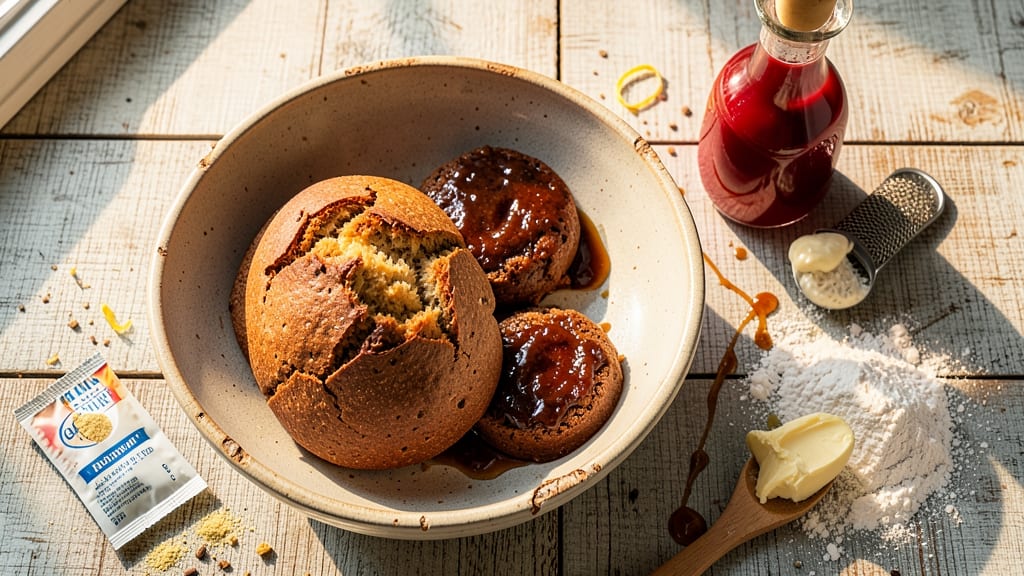
This authentic rye bread recipe delivers the deep molasses crust and tangy crumb you crave, using traditional techniques that set it apart from store-bought loaves. The secret lies in a proper sour starter and high hydration—key elements that create that signature dense yet airy texture.
I’ve perfected this version over years of baking, ensuring every slice has that perfect balance of earthy rye flavor and subtle sweetness.
What makes this recipe truly authentic is the two-stage fermentation: first with a natural starter, then a long bulk fermentation to develop complex flavors. The dough rests overnight, allowing the gluten to relax and the rye’s natural acids to mellow into a harmonious tang.
Baking in a Dutch oven locks in moisture for a crisp crust and soft interior, just like artisanal bakery bread.
The result is a loaf with a dark, caramelized crust that gives way to a moist, slightly sticky crumb with pockets of air—each bite reveals layers of flavor from the rye, molasses, and slow-developed sourness.
This isn’t just bread; it’s a centerpiece for sandwiches, toast, or served alongside soups, where its robust flavor truly shines.
For those who love customization, you can adjust the molasses for a lighter rye or add seeds for extra texture. The recipe scales perfectly for gifts or meal prep, and leftovers stay fresh for days.
Let’s get started on your first authentic rye loaf—one that will impress even seasoned bakers.
Ingredients for authentic rye bread
Gather these traditional ingredients for a rye loaf with deep molasses crust and tangy crumb.
| Ingredient | Amount | Notes |
|---|---|---|
| Rye Flour 🌾 | 3 cups | Light or dark rye preferred |
| All-Purpose Flour 🌾 | 1 ½ cups | For structure and rise |
| Active Dry Yeast 🍞 | ¼ tsp | Fresh yeast preferred |
| Unsalted Butter 🧈 | ½ cup | Cold, cubed for dough |
| Molasses 🍯 | ½ cup | Dark molasses for depth |
| Honey 🍯 | ¼ cup | For natural sweetness |
| Water 💧 | 1 ½ cups | Room temperature |
| Sour Starter 🍞 | 1 cup | Active rye starter |
| Salt 🧂 | 1 ½ tsp | Kosher salt preferred |
| Sesame Seeds 🌰 | 1 tbsp | For topping (optional) |
| Poppy Seeds 🌱 | 1 tbsp | For topping (optional) |
The rye flour is non-negotiable here—King Arthur or Bob’s Red Mill are my go-tos for that authentic earthy flavor. If you can only find dark rye, that’s fine, but light rye gives a lighter crumb. The sour starter is where the magic happens; make it fresh with rye flour and water, or grab a small jar from Whole Foods if you’re short on time. The molasses should be dark and thick—Goya or Brer Rabbit brands work perfectly. No need to splurge on organic honey here, but avoid the cheap stuff with additives. The butter adds richness, so use full-fat—none of that low-fat nonsense.
No molasses? Maple syrup or dark brown sugar will work, but the flavor won’t be quite the same. Running out of sesame seeds? Sunflower or pumpkin seeds add a nice crunch too. The yeast is critical—if it’s old, your loaf won’t rise properly. Check the expiration date and store it in the fridge to keep it fresh. For the water, room temperature is key; cold water slows yeast activation. If you’re in a pinch, use warm tap water (not hot) and let it cool slightly. The optional seeds? Skip them if you’re in a hurry, but they add texture and a nice visual contrast to the dark crust.
The dough is best made a day ahead—overnight fermentation is what creates that tangy depth. Store it in an airtight container in the fridge, and let it sit at room temp for an hour before shaping. The baked loaf keeps well for 3-4 days in a bread bag at room temperature, or freeze slices for up to 3 months. For extra crispiness, reheat slices in a 350°F oven for 5-10 minutes. This bread is perfect for sandwiches, toast, or serving alongside soups—its robust flavor holds up beautifully.
Why You'll Love This Recipe
- No-Knead Magic: The dough comes together in minutes—just mix, let it rise overnight (while you sleep!), and bake. No standing over a counter, no aching arms, just that deep, rustic satisfaction of bread that builds itself.
- Molasses-Kissed Richness: That dark, buttery molasses swirl? It’s the secret weapon here—caramelized edges with a hint of smoky sweetness in every bite. Honestly, I’ve never met rye bread this addictive.
- Weeknight to Weekend: Toss a slice in your lunchbox, tear it over soup, or serve it warm with butter at a picnic. It’s the one loaf that works for breakfast toast, sandwiches, or even crumbled over salads—no excuses.
- Budget-Friendly Staple: A single batch stretches for days, and the ingredients? Basic but brilliant. Rye flour adds heartiness for pennies, while the butter and molasses make it feel like a treat. My wallet and taste buds both win.
Step-by-step instructions for authentic rye bread
Here's how to craft this rye bread with a deep, tangy crumb and that signature molasses crust.
Activate the Sour Starter and Mix the Dough
In a large mixing bowl, combine the 1 cup Sour Starter, 1.5 cups Water, and 0.25 tsp Active Dry Yeast. Let this sit for 10 minutes until it becomes frothy and bubbly—this proves your starter is alive and ready to work its magic. The bubbles should be active and spread throughout the mixture.
In a separate bowl, whisk together the 3 cups Rye Flour, 1.5 cups All-Purpose Flour, 1.5 tsp Salt, 0.5 cup Molasses, and 0.25 cup Honey. This dry mixture will give your bread its signature depth and structure. Once combined, create a well in the center and pour in the activated starter mixture. Use a wooden spoon or dough whisk to gradually incorporate the dry ingredients into the wet, forming a shaggy dough.
Incorporate the Butter and Knead the Dough
Add the 0.5 cup Unsalted Butter, cut into small cubes, to the dough. Use your hands to work the butter into the mixture until fully incorporated. The butter should soften slightly but still maintain some texture—this will create a tender crumb. If the dough feels too sticky, add 1 tablespoon of water at a time until it comes together.
Turn the dough out onto a lightly floured surface and knead for 8-10 minutes until smooth and elastic. You'll know it's ready when it springs back slightly when pressed. The dough should be tacky but not wet, and it should feel firm enough to hold its shape. If it's too sticky, lightly dust your hands with flour as you knead, but avoid over-flouring, which can make the bread too dry.
First Rise and Shape the Loaf
Lightly oil a large mixing bowl, place the dough inside, and cover it with a damp kitchen towel or plastic wrap. Let it rise in a warm place for 1.5 to 2 hours, or until it has nearly doubled in size. You'll see the dough puff up and develop small bubbles along the surface—this is the yeast doing its job. If your kitchen isn't warm enough, place the bowl near a slightly warm oven (with the light on) to encourage the rise.
Once the dough has risen, punch it down gently to release the air. Divide the dough into 4 equal portions (about 8 ounces each) and shape each into a round loaf. For an authentic touch, place each loaf seam-side down in a greased 9x5-inch loaf pan. Cover the pans with a damp towel and let them rise again for 30 to 45 minutes, until they've risen about halfway up the sides of the pan. The dough should look plump and slightly domed.
Preheat and Bake for a Crusty Exterior
Preheat your oven to 375°F. While the oven heats up, brush the tops of the loaves with a little water or milk to help them brown. Sprinkle the 1 tbsp Sesame Seeds and 1 tbsp Poppy Seeds evenly over the tops—this adds texture and a subtle nutty flavor. Bake for 35 to 40 minutes, until the tops are deep golden brown and the internal temperature reaches 190°F when measured with an instant-read thermometer.
For that authentic rye bread crust, avoid opening the oven door during the first 25 minutes of baking. The steam trapped inside helps create a crispy, crackly exterior. If the loaves brown too quickly, tent them loosely with aluminum foil. Once baked, remove the bread from the pans and let it cool on a wire rack for at least 1 hour before slicing. This resting time allows the crumb to set and makes for cleaner slices.
Pro Tips For Making Authentic Rye Bread
- Mix With Your Hands: The first 2 minutes of kneading by hand—yes, even with rye’s stickiness—actually develops gluten better than a quick mixer. I learned this when my loaves turned dense; rye flour fights you, so give it 3-4 minutes of rough handling before adding more flour.
- Soak the Rye First: Toss your rye flour in warm water (about 1:1 ratio) for 10 minutes before mixing—it softens the bran and cuts down on grittiness. Skip this, and your bread might taste like you’re chewing cardboard, especially with dark rye.
- Don’t Overproof the Yeast: Rye’s acidity kills yeast faster. Proof your yeast in warm water (105°F) for no more than 5 minutes—it’ll look bubbly but not frothy. Overproofing means your loaf will collapse like a sad soufflé.
- Brush Butter on Cold Bread: Spread softened butter on the just-cooled loaf (under 100°F) for even absorption. Slather it on thick—this isn’t a light glaze, it’s the flavor anchor. My first attempt? Butter pooled in puddles because I rushed it.
Wine and beer pairings for this recipe
German Beer Pairings
Rye bread’s deep molasses crust and tangy crumb pair beautifully with German lagers and wheat beers. A crisp Helles like Weihenstephaner Original cuts through the richness, while its mild bitterness balances the bread’s sweetness.
For a more robust match, try a Dunkel like Ayinger Altbairisch Dunkel—its caramel and malt notes complement the molasses perfectly. 🍺
Belgian Witbier Harmony
Belgian witbiers with their citrusy coriander and peppery notes create a refreshing contrast. Stella Artois or Hoegaarden add a light effervescence that cleanses the palate between bites of dense rye. The bread’s earthy rye flavor pairs surprisingly well with the beer’s subtle spice, making each sip and bite more dynamic.
Dark Ale Contrast
For a richer pairing, opt for a dark ale like Guinness or Samuel Smith’s Nut Brown Ale. The roasted malt and coffee undertones in these beers echo the rye’s depth, creating a harmonious flavor bridge. Serve slightly chilled to enhance the malt-forward experience without overwhelming the bread’s crust.
Wine Alternatives
If beer isn’t your preference, a German Riesling Kabinett offers a crisp, slightly sweet acidity that mirrors the molasses while cutting through the bread’s density. For reds, a Pinot Noir with earthy undertones—like Domaine Drouhin Oregon—pairs elegantly, especially when the bread is still warm from the oven.
Cider Pairing
Don’t overlook dry English cider—brands like Westons or Thatchers provide a tart, apple-forward contrast that brightens the rye’s molasses notes. The cider’s effervescence also enhances the bread’s crusty texture, making every bite feel fresh and vibrant.
Nutrition facts
Frequently asked questions
Why does authentic rye bread need a sour starter?
The sour starter is essential for that signature tangy flavor and proper fermentation. It contains wild yeast and lactic acid bacteria that develop complex flavors over time. Without it, your rye bread will taste flat and lack the deep, slightly sour notes that make it authentic. Think of it as the soul of your loaf!
Can I make this rye bread without molasses?
Yes, but the flavor will be different. Substitute with 1/4 cup maple syrup or 1/4 cup dark brown sugar for sweetness, though molasses gives that unique caramel depth. The crust won't be as dark, but the crumb will still have great texture. For lighter rye, you could also reduce molasses to 1/4 cup and add 1/4 cup honey instead.
How do I know when the dough is properly kneaded?
Your dough is ready when it's smooth, elastic, and springs back slightly when pressed. It should be tacky but not sticky—if it sticks to your hands, lightly dust with flour. Knead for 8-10 minutes total, and you'll know it's done when it feels firm enough to hold its shape but still soft. Too much kneading can make the bread tough, so don't overdo it!
Why does my rye bread turn out too dense?
Density usually means the dough didn't ferment long enough or lacked proper hydration. Make sure your starter is active (bubbly) and give the dough its full 1.5-2 hour rise. Also check your hydration—this recipe needs 1.5 cups water for that perfect open crumb. If your kitchen is cold, place the dough near a warm oven to help it rise properly.
How should I store leftover rye bread?
Wrap cooled loaves tightly in plastic wrap or an airtight container to maintain freshness. At room temperature, it stays good for 3-4 days. For longer storage, freeze slices wrapped in parchment paper for up to 3 months. To revive stale bread, warm slices in a 350°F oven for 5-10 minutes—they'll taste almost fresh!