
Side Dishes
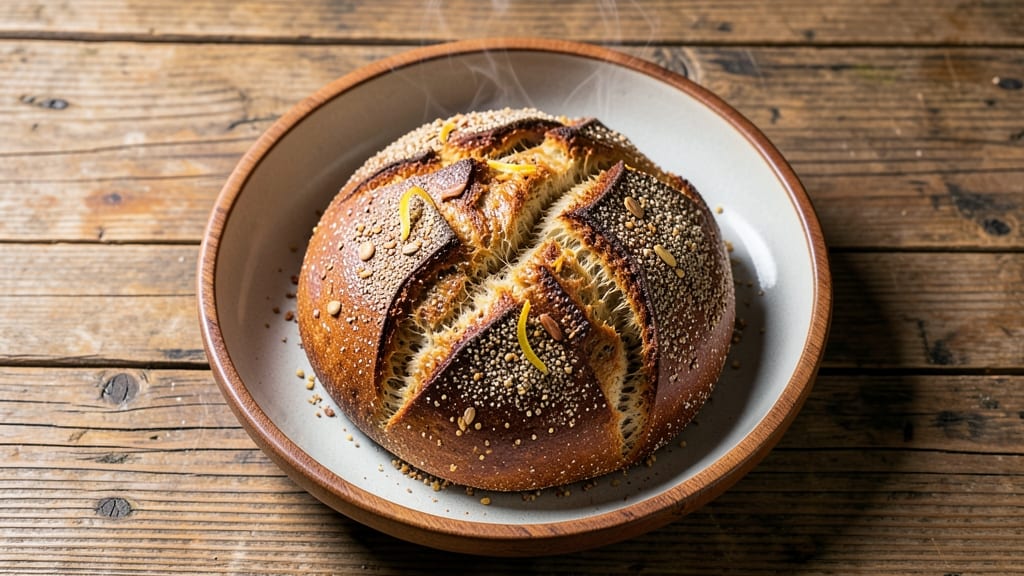
This 7-grain flour bread recipe delivers the perfect balance of whole-grain texture and no-knead convenience—ideal for sandwiches, toast, or serving alongside soups. The secret lies in combining seven nutrient-rich flours for a nutty, hearty crunch without sacrificing tenderness.
After years of testing, I’ve refined the process to ensure a foolproof rise and golden-brown crust every time.
The beauty of this recipe is its simplicity: no stand mixer, no complicated techniques, just a few hands-on minutes followed by patient proofing. Each grain—from buckwheat to whole wheat—contributes unique flavor and texture, while a touch of honey during mixing enhances browning and sweetness.
The dough’s natural elasticity makes shaping effortless, even for beginners.
What you’ll end up with is a loaf that’s crisp on the outside, tender inside, and packed with nutty depth from the grains. The crust develops a satisfying crunch, while the crumb remains soft enough for buttery toast or thick sandwiches.
This bread keeps well for days, making it perfect for meal prep or gifting.
For extra flavor, consider adding seeds or herbs to the dough before shaping. Whether you’re baking for a family dinner or prepping for the week, this recipe delivers restaurant-quality results with minimal effort. Let’s get started!
Ingredients for 7 grain flour bread
Seven flours, one perfect loaf—this no-knead bread delivers restaurant-quality crunch with minimal effort.
| Ingredient | Amount | Notes |
|---|---|---|
| Whole Wheat Flour 🌾 | 2 cups | Unbleached preferred for better texture |
| Buckwheat Flour 🌾 | ½ cup | Adds nutty depth and earthiness |
| Spelt Flour 🌾 | ½ cup | Lightens texture without sacrificing nutrition |
| Oat Flour 🌾 | ½ cup | Blended from old-fashioned oats |
| Rye Flour 🌾 | ½ cup | Dark rye for robust flavor |
| Cornmeal 🌽 | ¼ cup | Fine grind for smooth texture |
| Amaranth Flour 🌾 | ¼ cup | Protein-rich for structure |
| Active Dry Yeast 🍞 | 2 ¼ tsp | Freshly opened for best activation |
| Honey 🍯 | 1 tbsp | Local raw honey preferred |
| Granulated Sugar 🍚 | 1 tbsp | Brown sugar works too |
| Sea Salt 🧂 | 1 ½ tsp | Diamond Crystal preferred |
| Extra-Virgin Olive Oil 🫒 | ¼ cup | For dough elasticity |
| Warm Water 💧 | 1 ½ cups | 110°F for ideal yeast activation |
| Cornmeal 🌽 | ½ cup | For dusting loaf pan |
| Sesame Seeds 🌱 | 1 tbsp | Optional for topping |
The flours are the heart of this recipe, so quality matters. Bob's Red Mill or King Arthur are reliable sources for pre-milled flours, but if you're grinding your own, use a high-speed blender for consistent texture. Buckwheat and amaranth can be tricky to find—check the baking aisle or order online if needed. For the yeast, Fresh Start brand activates fastest, but any active dry yeast will work. The honey should be raw and local if possible—it enhances browning and adds subtle floral notes that complement the grains. If you can't find amaranth flour, substitute quinoa flour at the same amount—it's equally nutritious.
No buckwheat flour? Substitute sorghum flour for a similar texture, though the flavor will be milder. Running short on rye? Whole wheat pastry flour works in a pinch, but expect slightly less chew. For a sweeter loaf, add 1 tbsp maple syrup to the dough. The olive oil should be extra-virgin—regular olive oil lacks the fruity depth that carries through the bread. If you're making this ahead, pre-mix your flours in an airtight container—they'll stay fresh for up to 3 months in a cool, dark place. For the water, use a thermometer—it needs to be 110°F to activate the yeast properly without killing it.
This dough is forgiving but benefits from patience. After mixing, let it rest 1 hour before shaping—this relaxes the gluten and makes handling easier. For storage, wrap the cooled loaf in a clean kitchen towel, then place in a paper bag. It stays fresh for 5-6 days at room temperature, or you can freeze slices for up to 3 months. To revive frozen bread, wrap it in foil and warm at 350°F for 10 minutes. The crust gets crunchier as it sits, so slice it just before serving for maximum texture contrast.
Why You'll Love This Recipe
- No-Fuss Mixing: I swear by the 10-minute knead-and-let-rise method—just toss those flours (whole wheat, buckwheat, rye, oat, spelt) with water, a pinch of salt, and yeast, then let the dough do the work. Honestly, my hands stay clean while the magic happens.
- Earthy, Nutty Crunch: That buckwheat and rye? They add a deep, almost toasty bite that regular bread can’t touch. Toast it, and you’ve got a crunch that makes every bite feel like a little celebration.
- Meal Prep MVP: Slice it, freeze it, and reheat in seconds—no sad, dried-out sandwiches here. I keep a loaf in the fridge for quick toast or wraps, and it’s still fresh after a week.
- Budget-Friendly Staple: Using pantry staples like whole wheat and oat flour cuts costs without sacrificing texture. Between us, this bread is cheaper than store-bought but tastes like you actually baked it.
Step-by-step instructions for 7-Grain flour bread
This no-knead method transforms seven distinct flours into a hearty, nutty loaf with minimal effort.
Activate the Yeast and Mix Wet Ingredients
In a small bowl, combine the 1.5 cups warm water (around 110°F), 1 tbsp honey, 1 tbsp granulated sugar, and 2.25 tsp active dry yeast. Let this sit for 5-10 minutes until frothy—this confirms the yeast is active. If it doesn't bubble, start over with fresh yeast.
In a large mixing bowl, whisk together the 0.25 cup extra-virgin olive oil and 1.5 tsp sea salt. The oil helps create a tender crumb while the salt balances the sweetness of the honey. Set this mixture aside for now—it's the foundation of your dough.
Combine Dry Ingredients and Form the Dough
In the same large bowl, add all the dry ingredients in this order: 2 cups whole wheat flour, 0.5 cup buckwheat flour, 0.5 cup spelt flour, 0.5 cup oat flour, 0.5 cup rye flour, 0.25 cup cornmeal, and 0.25 cup amaranth flour. Whisk lightly to distribute the finer flours evenly—they'll create pockets of texture and flavor.
Pour the yeast mixture into the dry ingredients and stir with a wooden spoon until just combined. The dough will be thick and shaggy at this stage—this is normal. Avoid overmixing, which can develop too much gluten and make the bread dense. The goal is to create a cohesive mass that holds together when pressed.
Let the Dough Rest and Rise
Cover the bowl with a damp kitchen towel or plastic wrap and let the dough rest at room temperature for 1 hour. This initial rest allows the flours to hydrate fully and the gluten to relax slightly. You'll notice the dough soften and become more pliable—this is the moment it's ready for shaping.
After the rest, lightly oil your hands and gently shape the dough into a loose log. Place it seam-side up in a greased 9x5-inch loaf pan (about 8x4 inches if using a standard loaf pan). Sprinkle 0.5 cup cornmeal over the dough to prevent sticking. Cover again and let rise in a warm place for 1.5 to 2 hours, or until the dough has nearly doubled in size and springs back slowly when pressed.
Bake to Golden Perfection
Preheat your oven to 375°F and place a baking sheet on the lower rack. This creates steam during baking, which helps develop a crisp crust. When the oven is ready, bake the bread for 40-45 minutes until the top is deep golden brown and sounds hollow when tapped. If the top browns too quickly, loosely tent with foil after 20 minutes to prevent over-browning.
Remove the bread from the oven and let it cool in the pan for 10 minutes. Then transfer it to a wire rack to cool completely. For extra crunch, sprinkle 1 tbsp sesame seeds over the top while still warm. The bread will continue to firm up as it cools, but the interior should remain tender and moist with a satisfying chew.
Slice and Serve for Maximum Flavor
Once fully cooled, slice the bread with a serrated knife for clean cuts. The interior should reveal a mix of textures—dense pockets from the buckwheat and amaranth, lighter strands from the spelt and oat flour, and a subtle crumb from the whole wheat. The crust should be crisp and slightly chewy, with a deep nutty aroma.
Serve the bread warm with butter, jam, or as part of a charcuterie board. For best results, store leftovers wrapped in a bread bag at room temperature for 2-3 days or freeze slices for up to 3 months. The flavors deepen over time, making it even more rewarding the next day.
Pro Tips For Making 7 Grain Flour Bread
- MIX DRY INGREDIENTS FIRST: Mix all your flours—whole wheat, buckwheat, spelt, oat, and rye—before adding liquids. I learned this the hard way: skipping this step means buckwheat (which behaves like a glueless powder) and oat flour (which absorbs like a sponge) won’t distribute evenly, leading to dense pockets in your bread.
- WEIGH YOUR FLOURS: Use a kitchen scale for accuracy—especially with dense flours like rye and buckwheat. Scooping leads to inconsistent batches, and this bread’s texture relies on the right balance. (Yes, even if you’re impatient like me—trust the scale.)
- STEAM THE LOAF: Create steam in your oven by placing a tray of boiling water on the bottom rack before baking. The mix of whole wheat and oat flour dries out faster, and steam keeps the crust from hardening too soon. I was skeptical until I tried it—now it’s non-negotiable.
- LET IT RISE TWICE: This isn’t your grandma’s quick bread—give it a second rise after shaping. Cold-proofing (refrigerating overnight) improves flavor and structure, but even a 1-hour room-temperature rise makes a real difference. Skip this, and you’ll end up with a dense brick.
Best sauces and condiments for this recipe
Herb-Infused Olive Oil
Elevate your 7-grain bread with a drizzle of herb-infused olive oil before serving. Combine ½ cup extra-virgin olive oil with 1 tbsp each of fresh rosemary, thyme, and oregano, then let it steep for 10 minutes before drizzling. The aromatic herbs complement the bread’s nutty grains beautifully. 🌿
Whole-Grain Mustard Spread
Create a tangy companion by mixing ¼ cup whole-grain mustard with 2 tbsp Greek yogurt and 1 tsp honey. Spread this on warm slices for a creamy, slightly sweet contrast to the bread’s hearty texture. The mustard’s sharpness balances the grains’ earthiness perfectly.
Spiced Honey Butter
Infuse butter with warmth by melting ½ cup unsalted butter with 2 tbsp honey, 1 tsp cinnamon, and a pinch of sea salt. Let it cool slightly before spreading on toasted bread. The cinnamon adds a cozy depth that pairs wonderfully with the bread’s nutty complexity. 🍯
Garlic-Herb Compound Butter
For a savory twist, blend ½ cup softened butter with 2 minced garlic cloves, 1 tbsp chopped parsley, and ½ tsp lemon zest. Chill for 30 minutes before slicing onto bread. The garlic’s sharpness and parsley’s freshness cut through the bread’s richness, making every bite vibrant.
Creamy Avocado Mash
Mash 1 ripe avocado with 1 tbsp lime juice, ¼ tsp salt, and a pinch of red pepper flakes. Spread this on toasted bread for a creamy, slightly spicy contrast. The avocado’s healthy fats balance the bread’s crunch, creating a satisfying texture combination.
Smoky Chipotle Cream Cheese
Blend 4 oz cream cheese with 1 tsp adobo sauce (from canned chipotles) and 1 tsp smoked paprika. Spread on bread slices and broil for 2 minutes to melt and crisp slightly. The smoky heat adds a bold dimension that stands up to the bread’s nutty depth. 🔥
Nutrition facts
Frequently asked questions
Can I substitute any of the flours in this 7-grain recipe?
For a 1:1 swap, try sorghum flour instead of buckwheat (milder flavor) or quinoa flour for amaranth. If you're short on rye, use whole wheat pastry flour, but expect slightly less chew. For a sweeter loaf, replace 1 tbsp honey with maple syrup. Always maintain the same total flour weight to preserve texture.
Why does my dough seem too sticky after mixing?
The seven flours create a naturally dense dough—this is normal! The 1-hour rest before shaping helps relax the gluten. If it's unbearably sticky, wet your hands with water and gently wet the work surface. Avoid adding extra flour, as this can make the bread dense. The dough should soften significantly after resting.
How do I know when the bread is fully risen?
Look for two key signs: the dough should nearly double in size and spring back slowly when pressed gently with a finger. If it springs back quickly, it needs more time. A warm oven (with a baking sheet on the lower rack) creates steam that helps with rise. Total rise time is 1.5-2 hours, but don't rush—patience prevents a dense loaf.
Can I bake this bread without a loaf pan?
Yes! Shape the dough into a free-form loaf on a parchment-lined baking sheet. For extra crunch, brush the top with water before baking. Bake at 375°F for 35-40 minutes until golden. The crust will be thicker, but the interior remains tender. For a rustic look, score the top with a sharp knife before baking.
Why does my crust turn dark too quickly?
This happens when the oven runs hot or the bread dries out. To fix it, tent the loaf with foil after 20 minutes of baking. For future batches, try reducing oven temp to 350°F or increase humidity by placing a tray of water in the oven. The honey in the recipe naturally promotes browning, so expect some color development—just monitor closely.