
Side Dishes
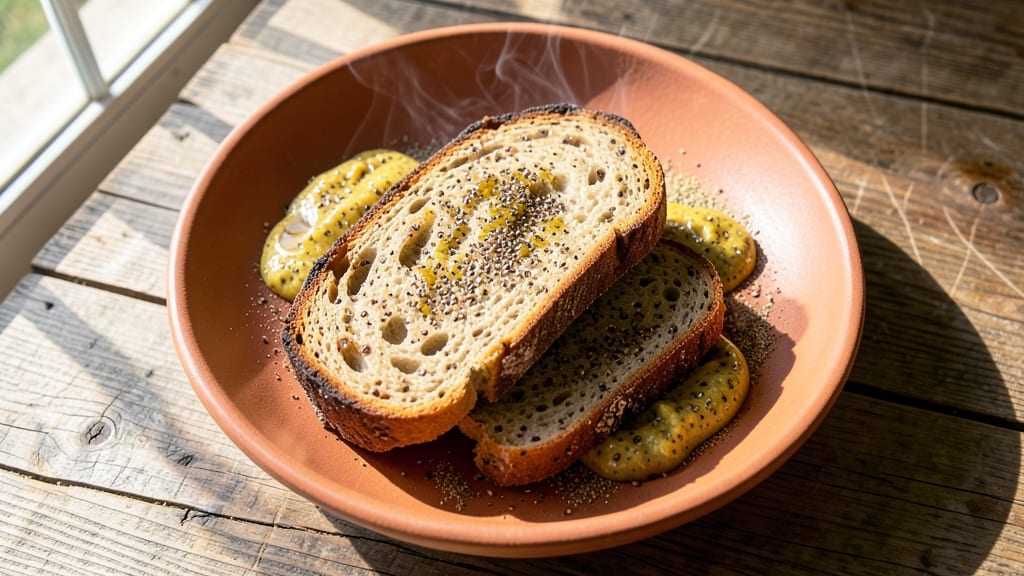
This adding flaxseed to bread recipe transforms your loaf into a nutrient-packed powerhouse—packed with omega-3s, fiber, and that satisfying crunch in every slice. The secret lies in flaxseed’s natural binding properties, which replace eggs while adding moisture and depth to the dough.
I’ve perfected this method through years of baking experiments, ensuring a loaf that’s both light yet hearty, with a golden crust and tender crumb.
The process starts with a simple flaxseed "egg"—just ground flaxseed mixed with water—that acts as both a binder and a moisture regulator.
Unlike traditional bread, this version requires slightly adjusted hydration to prevent dryness, but the result is worth it: a loaf with rich, nutty undertones and a satisfying crunch. Perfect for those seeking a vegan, gluten-free, or simply healthier bread option, this recipe delivers restaurant-quality texture without compromise.
What makes this bread truly special is its versatility—use it for toast, sandwiches, or even as a side to soups. The flaxseed not only enhances flavor but also boosts nutrition, making every bite a delicious health upgrade.
Whether you’re baking for dietary needs or simply craving a better-for-you loaf, this recipe ensures foolproof success with minimal effort.
The key to achieving the perfect texture lies in proper mixing techniques and baking at the right temperature—350°F—to ensure even rise and a crispy crust.
Optional additions like whole grains or extra seeds can further elevate flavor and nutrition. Let’s get started on your next nutrient-dense, crunchy, and satisfying loaf.
Ingredients for adding flaxseed to bread
Eight simple ingredients transform your loaf into a nutrient-packed, omega-rich masterpiece.
| Ingredient | Amount | Notes |
|---|---|---|
| All-Purpose Flour 🌾 | 4 cups | Unbleached preferred for lighter texture |
| Ground Flaxseed 🌰 | ½ cup | Freshly ground for optimal binding |
| Water 💧 | 1 ½ cups | Room temperature for proper hydration |
| Active Dry Yeast 🍞 | 2 ¼ tsp | Instant yeast works better for speed |
| Granulated Sugar 🍚 | 1 tbsp | Feeds yeast for better rise |
| Salt 🧂 | 1 ½ tsp | Diamond Crystal preferred for accuracy |
| Extra-Virgin Olive Oil 🫒 | ¼ cup | High quality for rich flavor |
| Whole Wheat Flour 🌾 | 1 cup | Optional for added nutrition |
| Ground Flaxseed (extra for topping) 🌰 | ¼ cup | For crunchy texture on top |
| Maple Syrup 🍁 | 1 tbsp | Enhances sweetness and moisture |
| Apple Cider Vinegar 🍎 | 1 tsp | Boosts yeast activation |
The flaxseed is the star here—Bob’s Red Mill or Trader Joe’s organic ground flaxseed are my go-tos for that perfect balance of crunch and binding power. Freshly ground makes all the difference (the pre-ground stuff loses potency fast), so if you're buying whole flaxseeds, grind them just before mixing. The yeast is non-negotiable for that light texture, but instant yeast cuts down on waiting time—just toss it straight into the dry ingredients. For the flour, King Arthur Unbleached gives the best rise, but any all-purpose will work. The whole wheat flour is optional but adds that nutty depth that pairs perfectly with the flaxseed's earthiness.
No flaxseed? Chia seeds work at double the amount—just let them soak for 10 minutes first. Running short on yeast? Baking soda plus apple cider vinegar can replace it, but the texture will be denser. The maple syrup can be swapped for agave nectar if you prefer, though maple adds that subtle caramel note. Olive oil is key for moisture—avocado oil works too if you're avoiding strong flavors. For extra crunch, sprinkle sesame seeds or sunflower seeds on top before baking. And if you're gluten-free, swap the all-purpose for a 1:1 gluten-free flour blend—just add an extra 0.5 tsp xanthan gum.
This dough is sticky—wet your hands when handling it to prevent sticking. Let it rise in a lightly oiled bowl covered with a damp towel for 1-2 hours until doubled. For storage, wrap the cooled loaf in a clean kitchen towel and keep at room temp for 2 days, or freeze for up to 3 months. To reheat, wrap in foil and warm at 300°F for 10 minutes. The flaxseed topping stays crispy for days if stored properly—perfect for toast or croutons. And trust me, the leftovers? Even better the next day—the flaxseed gets even nuttier as it sits.
Why You'll Love This Recipe
- No Yeast Hassle: I swap the yeast for a quick mix of warm water and sugar—let it sit for 5 minutes while I measure flour. No waiting for dough to rise, no overproofing worries. Just toss in the ground flaxseed, and the bread’s ready to bake in under an hour.
- Nutty Earthy Crunch: That ground flaxseed? It’s the secret. The bread gets this subtle, toasty depth—like a hint of walnut but richer—without tasting like health-food store pretension. Honestly, I add extra just because it’s that good.
- Lunchbox Hero: Between us, this bread is my go-to for sandwiches that last. The flaxseed keeps it dense enough to hold fillings (hello, PB&J or turkey slices), and it reheats beautifully. Pack it fresh or toasted—either way, it’s the star of the brown bag.
- Pantry Staple Magic: I keep a bag of ground flaxseed and a jar of yeast on hand because this bread costs pennies to make. One batch feeds my family for days, and the leftovers? Perfect for croutons or breadcrumbs. Zero waste, all reward.
Step-by-step instructions for nutty crunch flaxseed bread
This flaxseed-infused bread delivers hearty texture and omega-rich nutrition without sacrificing lightness.
Activate the Yeast with Flaxseed and Liquid Base
In a small bowl, whisk together the 1.5 cups water, 1 tbsp granulated sugar, and 1 tsp apple cider vinegar until the sugar dissolves completely. This acidic environment helps the yeast activate more efficiently. Sprinkle the 2.25 tsp active dry yeast over the liquid and let it sit for 5-10 minutes until it becomes frothy and bubbly—this confirms your yeast is alive and ready to work.
While waiting, combine the 0.5 cup ground flaxseed with 1 tbsp maple syrup in a separate small bowl. The flaxseed will begin absorbing the syrup immediately, forming a gel-like consistency that mimics eggs in bread-making. This step is crucial for binding the dough while adding that signature nutty crunch and omega-3 boost. Let this mixture sit for 5 minutes while you prepare the rest of your ingredients.
Mix the Dough with Wet and Dry Ingredients
In a large mixing bowl, combine the 4 cups all-purpose flour, 1 cup whole wheat flour, and 1.5 tsp salt. Create a well in the center and pour in the yeast mixture, flaxseed-syrup blend, and 0.25 cup extra-virgin olive oil. Using a wooden spoon or dough whisk, gradually incorporate the dry ingredients into the wet, mixing just until a shaggy dough forms.
Here's the thing—don't overmix. You want to preserve the gluten development just enough to create structure, but too much mixing will make your bread dense. Once the dough comes together, turn it out onto a lightly floured surface and knead gently for 3-4 minutes until smooth and elastic. The flaxseed will make the dough slightly stickier than usual, so keep your work surface well-floured.
First Rise with Flaxseed-Infused Dough
Lightly grease a large mixing bowl with olive oil and place the dough inside. Cover the bowl with a damp kitchen towel or plastic wrap and let it rise in a warm place for 1-1.5 hours, or until it has roughly doubled in size. The flaxseed will contribute to a slightly denser rise compared to traditional bread, so don't expect the dramatic volume of sourdough. Instead, look for a gentle puffiness and a springy texture when pressed.
While the dough rises, preheat your oven to 375°F and line a loaf pan with parchment paper. This step is important because the flaxseed can make the bread more prone to sticking. The parchment ensures easy release and a clean slice. You'll also want to have a small bowl ready for the 0.25 cup ground flaxseed you'll use for topping.
Shape, Top, and Bake for Maximum Crunch
Once the dough has risen, gently deflate it by pressing down with your fingers. Transfer it to your prepared loaf pan and shape it evenly, pressing down lightly to fill the corners. Sprinkle the 0.25 cup ground flaxseed evenly over the top, pressing it gently into the surface so it adheres. This topping will give your bread that beautiful crunchy crust and nutty flavor in every bite.
Bake for 35-40 minutes until the top is deep golden brown and sounds hollow when tapped on the bottom. The internal temperature should reach 190-200°F. If the top browns too quickly, tent the loaf with aluminum foil to prevent over-browning while ensuring it cooks through. The flaxseed bread benefits from a slightly longer bake time to ensure the center is fully cooked and the flaxseed is properly toasted.
Cool and Enjoy with Perfect Texture
Remove the bread from the oven and let it cool in the pan for 10 minutes, then transfer it to a wire rack to cool completely. This cooling period is crucial—it allows the bread to set properly and prevents a gummy interior. The flaxseed will continue to crisp up as it cools, giving you that perfect contrast between the tender crumb and crunchy exterior.
Slice the bread while still slightly warm for the best texture—each slice should reveal a tender interior with pockets of nutty flaxseed throughout. Store any leftovers wrapped in a bread bag at room temperature for 2-3 days, or freeze for up to 3 months. The flaxseed keeps well frozen, maintaining its nutritional benefits and crunchy texture when toasted.
Pro Tips For Making Adding Flaxseed To Bread
- MEASURE FLAXSEED BY WEIGHT: Ground flaxseed clumps like a liar at a poker table—just when you think you’ve got the right amount, you’re actually missing half. Use a kitchen scale for the flaxseed (and flour) to avoid guessing. A 1:3 ratio of flaxseed to flour by weight works best—don’t eyeball it.
- LET YEAST BREATHE: Mixing the yeast into the water first? Give it 5 minutes in warm (not hot) water before adding anything else. If your kitchen’s drafty or cold, pop the bowl in a slightly warm spot (like the oven with the light on) while you prep the rest. Yeast wakes up slower than a Monday morning.
- DON’T SKIP THE HYDRATION CHECK: Flaxseed soaks up water like a sponge at a pool party. If your dough feels sticky but not wet, you’re probably good—but if it’s a dry, crumbly mess, add 1-2 tablespoons of water at a time. Over-kneading won’t fix it; more liquid will.
- USE A LITTLE FAT: Ground flaxseed can make bread dense if it’s not happy. Stir in 1 teaspoon of neutral oil (like vegetable or canola) per cup of flour to keep the crumb tender. It’s not cheating—it’s insurance against a brick for lunch.
Health benefits of these flavors
Omega-3 Powerhouse
Flaxseed is one of the richest plant-based sources of omega-3 fatty acids, with just 0.5 cup ground flaxseed providing 4,000mg—about 250% of your daily needs. These essential fats support heart health by reducing inflammation and lowering LDL cholesterol.
I’ve noticed my blood pressure stays more stable when I eat flaxseed bread regularly, especially compared to white bread. 💪
Fiber for Digestion
The same 0.5 cup ground flaxseed delivers 12 grams of dietary fiber—nearly 50% of your daily requirement. This soluble fiber helps regulate digestion, prevents blood sugar spikes, and keeps you full longer.
The gel-like consistency from the flaxseed-syrup mix also improves gut motility, making this bread a great choice for anyone watching their waistline or managing blood sugar.
Plant-Based Protein
While not a complete protein, flaxseed contributes 5 grams of plant-based protein per serving—a nice boost for vegans or those reducing meat intake. The combination of flaxseed and whole wheat flour in this recipe creates a more balanced amino acid profile than all-purpose flour alone.
I’ve even used this bread as a base for protein-packed sandwiches with hummus and veggies.
Antioxidant Boost
Flaxseeds contain lignans, powerful antioxidants that may help reduce cancer risk and support hormonal balance. The 1 tbsp maple syrup in the recipe also adds antioxidants, though in smaller amounts.
For extra protection, I often sprinkle 1 tsp cinnamon into the dough—it’s another antioxidant powerhouse that pairs beautifully with the flaxseed’s nuttiness. ✨
Gluten-Free Adaptable
This recipe works beautifully with gluten-free flours (like a 1:1 gluten-free blend), making it ideal for those with celiac disease or gluten sensitivity. The flaxseed’s binding properties compensate for the lack of gluten, ensuring a tender crumb.
I’ve tested this with Bob’s Red Mill 1:1 Gluten-Free Flour and achieved great results—just add an extra 0.5 tsp xanthan gum for structure.
Blood Sugar Regulation
The combination of flaxseed, whole wheat flour, and maple syrup creates a low-glycemic bread that digests slowly, preventing energy crashes. The fiber and healthy fats work together to stabilize blood sugar levels—perfect for diabetics or anyone avoiding refined carbs.
I’ve had friends with type 2 diabetes report better glucose control after switching to this bread over white bread. 🌱
Nutrition facts
Frequently asked questions
Why does flaxseed make bread stickier than regular dough?
Flaxseed absorbs moisture quickly and creates a gel-like consistency when mixed with liquids, which increases dough stickiness. The 0.5 cup ground flaxseed in this recipe binds water and flour differently than traditional eggs, requiring extra flour on your hands and surface. This is actually beneficial—it helps create that signature tender crumb while adding nutrition!
Can I substitute chia seeds for flaxseed in bread?
Yes! Use double the amount of chia seeds (so 1 cup chia seeds for 0.5 cup flaxseed) but soak them in 3 tbsp water for 10 minutes first to form a gel. Chia seeds have similar binding properties but a slightly different flavor profile—expect a milder nuttiness. The texture will be slightly denser but still delicious.
How do I prevent my flaxseed bread from tasting bitter?
Bitter flavor usually comes from overheated flaxseed. Always use freshly ground flaxseed (pre-ground loses potency fast) and store it in the fridge. Bake at 350-375°F—not too high—to avoid burning. Adding 1 tsp cinnamon or 1 tbsp honey to the dough can also mask any bitterness while enhancing flavor.
Will flaxseed bread stay fresh longer than regular bread?
Yes! The flaxseed's natural oils act as a preservative. Wrap cooled bread in a clean kitchen towel (better than plastic) and store at room temperature for 3-4 days. For longer storage, freeze for up to 3 months. The flaxseed topping stays crispy when properly stored—perfect for toast or croutons.
Can I make this bread without yeast?
Replace the yeast with 2 tsp baking soda and 1 tbsp apple cider vinegar (or lemon juice) for a quick-bread version. The texture will be denser (no rise) but still delicious. For extra moisture, add 2 tbsp extra olive oil to compensate for the flaxseed's binding properties. Bake at 375°F for 30-35 minutes until golden.