
Side Dishes
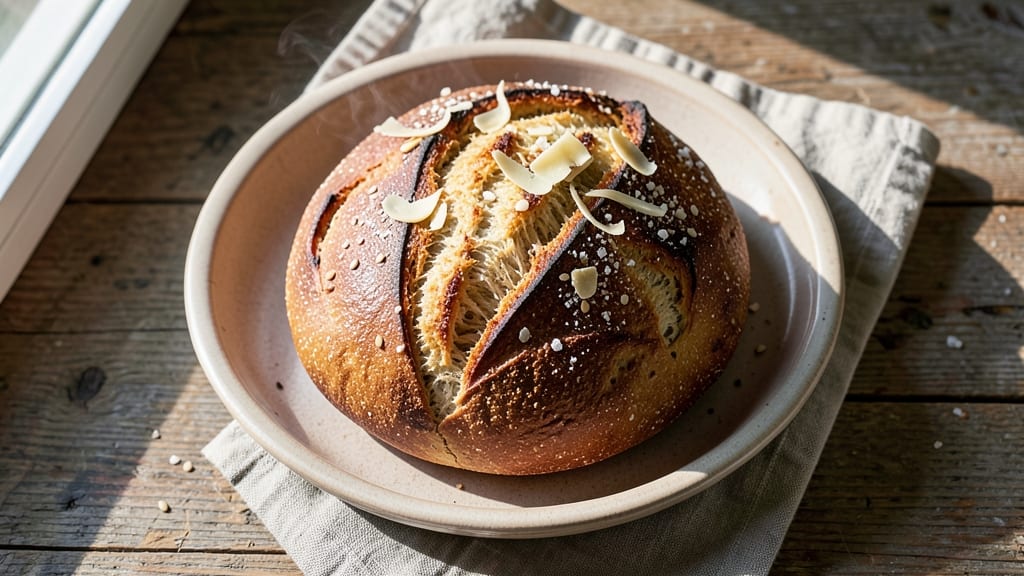
This almond flour artisan bread delivers the perfect balance of nutty crust and gluten-free pillowy softness—something I've perfected after years of experimenting with alternative flours. The secret lies in the right hydration ratio and binding agents that mimic gluten's structure, creating a loaf that's both sturdy and tender.
Unlike dense gluten-free breads, this recipe yields a satisfying crumb with a golden, crackly crust that holds up beautifully for sandwiches or toast.
The beauty of almond flour lies in its natural richness, which adds a subtle sweetness and depth of flavor without needing extra sugar. However, achieving the ideal texture requires precise technique—too much moisture, and the dough becomes unmanageable; too little, and the bread turns out dry.
I've refined this recipe to be beginner-friendly, with clear steps for mixing, proofing, and shaping that even first-time bakers can master. The result? A loaf that's light enough to eat plain but hearty enough to hold gourmet fillings.
What sets this recipe apart is the pillowy softness that lasts for days, thanks to a simple trick: letting the dough rest before shaping. This allows the almond flour to fully hydrate, creating a crumb that's airy yet substantial.
The crust develops a beautiful golden hue with a satisfying snap, while the interior remains tender and slightly elastic—unlike many gluten-free breads that crumble. Perfect for breakfast toast, sandwiches, or simply enjoying with butter, this bread proves gluten-free doesn't mean sacrificing texture or flavor.
Storage is effortless: keep wrapped at room temperature for up to 3 days, or freeze the entire loaf for freshness that lasts weeks. The recipe also doubles as a foundation for variations—add seeds for extra crunch, or swap in a touch of coconut flour for even lighter texture.
Let's get baking!
Ingredients for almond flour artisan bread
Gluten-free baking essentials that create a loaf with golden crust and tender crumb—no compromise on texture.
| Ingredient | Amount | Notes |
|---|---|---|
| Almond Flour 🌰 | 3 ½ cups | Finely ground, unsweetened |
| Tapioca Starch 🍠 | ½ cup | For binding and elasticity |
| Psyllium Husk Powder 🌿 | 2 tbsp | Essential for gluten-free structure |
| Baking Powder 🍞 | 1 tsp | Aluminum-free for best results |
| Salt 🧂 | 1 ½ tsp | Fine sea salt preferred |
| Apple Cider Vinegar 🍎 | 1 tbsp | Activates psyllium husk |
| Water 💧 | 1 ¼ cups | Room temperature preferred |
| Ground Flaxseed 🌾 | 1 tbsp | For extra binding |
| Sesame Seeds 🌻 | 2 tbsp | For nutty crust texture |
| Extra-Virgin Olive Oil 🫒 | 2 tbsp | For dough hydration and richness |
| Maple Syrup 🍁 | 1 tbsp | Subtle sweetness without sugar |
Almond flour is the star here, so choose high-quality, finely ground—the texture of your bread depends on it. Bob's Red Mill or Anthony's Goods are reliable brands, but check the label for 100% almond flour with no additives. The psyllium husk powder might be new to you, but it's what gives this bread its signature structure—NOW Foods sells it in bulk at health stores. Tapioca starch is the secret weapon for that pillowy softness; don't skip it. For the sesame seeds, Trader Joe's has the best toasted variety at a reasonable price, and they'll add that nutty crunch to every bite.
No psyllium husk? Xanthan gum at half the amount works in a pinch, though the texture won't be identical. Running short on almond flour? Swap up to 1 cup with coconut flour, but reduce the water by 2 tbsp—coconut absorbs differently. The maple syrup can be omitted entirely if you prefer completely unsweetened, but it does help with the dough's elasticity. For extra richness, add 1 tbsp of vegan butter to the dough, though it'll make the crust slightly softer. And if you're feeling adventurous, sunflower seeds make a great crunchy topping alternative to sesame.
This dough is delicate—handle it gently to avoid overworking. The psyllium activates quickly, so mix everything together, let it rest for 10 minutes, then shape immediately. For storage, wrap tightly in parchment paper and keep at room temperature for up to 3 days, or freeze the entire loaf for up to 3 months. To revive frozen bread, thaw at room temperature for 1 hour before toasting. The crust stays crisp for about 24 hours after baking, so slice and serve fresh for the best experience.
Why You'll Love This Recipe
- No-Fuss Mixing: The dough comes together in five minutes—just toss almond flour, tapioca starch, psyllium husk powder, and a pinch of salt. Honestly, I’ve made it while waiting for coffee to brew, and it still turns out light and airy.
- Nutty Crust, Soft Heart: That crispy, golden crust with a tender crumb? The almond flour gives it a buttery richness, while psyllium husk keeps it chewy. Between us, it’s the closest I’ve gotten to sourdough without the fuss.
- Lunchbox Legend: Slices perfectly for sandwiches, toast, or even French toast—my kids pack it for school, and I use leftovers for croutons. (Yes, even on a Tuesday night.) It stays fresh for days, too, no preservatives needed.
- Budget-Friendly Luxury: Almond flour’s pricey reputation is overblown if you buy in bulk. This recipe stretches far—one batch feeds four for breakfast and dinner. I’ll be real: it’s my go-to when I want something fancy without the grocery bill.
Step-by-step instructions for almond flour artisan bread
This gluten-free bread delivers professional-quality texture with precise technique and exact measurements.
Combine Dry Ingredients for Optimal Structure
In a large mixing bowl, whisk together the 3.5 cups almond flour with the 0.5 cup tapioca starch and 2 tbsp psyllium husk powder. This combination creates the gluten-free structure that mimics traditional bread. I sift the almond flour first to eliminate any clumps—this ensures even distribution throughout the dough.
Add the 1 tsp baking powder, 1.5 tsp salt, and 1 tbsp ground flaxseed, mixing gently with a wooden spoon. The psyllium husk is crucial here—it activates with liquid to form a gel-like network that holds the bread together. Don't skip this step; proper mixing at this stage prevents crumbling during baking.
Mix Wet Ingredients for Perfect Hydration
In a separate bowl, combine the 1.25 cups water (room temperature preferred), 2 tbsp extra-virgin olive oil, 1 tbsp apple cider vinegar, and 1 tbsp maple syrup. The vinegar activates the psyllium husk while adding subtle tang, and the olive oil contributes moisture and richness. Stir until fully incorporated—this mixture should be smooth with no visible streaks.
I like to let this wet mixture sit for 5 minutes while I prepare the dry ingredients. This allows the psyllium husk to begin its activation process, which improves the final texture. The maple syrup adds just enough sweetness to balance the nutty almond flavor without overpowering it.
Form the Dough with Proper Technique
Pour the wet ingredients into the dry ingredients bowl and mix with a spatula until just combined. You'll notice the mixture becomes thick and sticky as the psyllium husk absorbs the liquid. This is normal—don't add extra liquid, as it will affect the structure. The dough should be cohesive but not dry.
Transfer the dough to a parchment-lined loaf pan and sprinkle the 2 tbsp sesame seeds evenly over the top. Press them gently into the surface—they'll create that beautiful nutty crust while adding visual appeal. The sesame seeds also provide a subtle crunch that contrasts nicely with the soft interior.
Bake with Precision for Perfect Texture
Preheat your oven to 350°F and bake the bread for 45-50 minutes until the top is golden brown and a toothpick inserted in the center comes out clean. The internal temperature should reach 190-195°F—this ensures the bread is fully baked without drying out.
I recommend tenting the loaf pan with foil after 25 minutes if the top is browning too quickly. The almond flour can burn easily, so monitor closely during the final 10 minutes of baking. The bread should have a crisp crust with a tender, pillowy interior—this texture balance is what makes gluten-free breads so satisfying.
Cool and Store for Maximum Freshness
Remove the bread from the oven and let it cool in the pan for 10 minutes before transferring to a wire rack. This gradual cooling prevents the crust from becoming too hard too quickly. The bread will continue to set as it cools, developing that perfect artisan texture.
Store any leftovers in an airtight container at room temperature for up to 3 days, or wrap tightly in plastic wrap for longer storage. For best results, reheat slices in a toaster or oven to restore that fresh-baked texture. This bread freezes beautifully too—slice before freezing and toast directly from frozen for convenience.
Pro Tips For Making Almond Flour Artisan Bread
- Mix Wet First: Combine the warm water, psyllium husk powder, and salt before adding dry ingredients—this prevents clumping and guarantees even hydration. I learned this the hard way when my first batch turned out dense because the psyllium absorbed unevenly.
- Toast the Almond Flour: Lightly toast the almond flour in a dry pan for 3–5 minutes until it smells nutty—this deepens flavor and prevents bitterness. Skip this, and your bread will taste raw and slightly chalky.
- Don’t Overmix the Dough: Stir just until the almond flour is mostly incorporated, then fold in the wet mixture gently—overworking activates the gluten in almond flour, making the bread tough instead of tender. (Yes, even if it looks lumpy at first.)
- Preheat Pan and Oven: Place your baking dish in the oven while preheating to 350°F (175°C) for 10 minutes—this ensures the bread rises evenly and doesn’t stick. I used to skip this, and my edges always turned gummy.
Best sauces and condiments for this recipe
Rich Nut Butter Spreads
Almond butter is the obvious match for this nutty bread, but don't stop there! I love spreading homemade cashew butter (blend soaked cashews with 1 tbsp maple syrup and ½ tsp vanilla extract) for extra creaminess.
For a sweet twist, mix 2 tbsp tahini with 1 tbsp honey and a pinch of cinnamon—this combo highlights the bread's subtle sweetness while adding Middle Eastern flair. 🌰
Fruit Compote Pairings
Sweet-tart fruit compotes cut through the bread's richness beautifully. Simmer 1 cup mixed berries (fresh or frozen) with 1 tbsp lemon juice and 1 tbsp maple syrup> until thickened.
I especially love this with peach or plum compote>—the juicy texture contrasts perfectly with the bread's crisp crust. Serve warm for an elegant breakfast or dessert.
Olive Oil & Herb Drizzle
For a savory option, whisk 2 tbsp extra-virgin olive oil> with 1 tsp Dijon mustard>, 1 minced garlic clove>, and 1 tbsp chopped fresh rosemary>. Drizzle over toasted slices and sprinkle with flaky sea salt>.
This Mediterranean-inspired topping elevates simple toast into a gourmet experience. The olive oil's richness complements the almond flour's natural nuttiness without overpowering it.
Spiced Nutella Alternative
Create a healthier version of Nutella by blending ½ cup almond butter> with 2 tbsp cocoa powder>, 2 tbsp maple syrup>, and a pinch of cayenne pepper>. Spread on warm bread and top with toasted coconut flakes> for crunch.
This spiced twist adds warmth that pairs wonderfully with the bread's nutty flavor profile. Store in an airtight container for up to 2 weeks>.
Savory Garlic Aioli
For sandwiches, blend ½ cup vegan mayo> with 2 minced garlic cloves>, 1 tbsp lemon juice>, and ½ tsp smoked paprika>. This zesty, garlicky spread turns your artisan bread into perfect toast for grilled veggies or smoked salmon.
The smoky paprika adds depth that complements the bread's natural sweetness without clashing. Keep refrigerated in a sealed container for 5 days>.
Nutrition facts
Frequently asked questions
Why does almond flour bread need psyllium husk?
Psyllium husk is the secret to gluten-free structure—it forms a gel-like network when mixed with liquid that mimics gluten's elasticity. Without it, your bread would crumble instead of holding its shape. The 2 tbsp in this recipe creates that perfect artisan texture while keeping the bread tender. Think of it as the gluten-free bread's "glue."
Can I make this bread without a loaf pan?
Shape the dough into a free-form loaf on a parchment-lined baking sheet. For extra rustic appeal, dimple the top with your fingers before baking. The sesame seeds will still create that beautiful crust, though the shape will be more irregular. Bake at 350°F for 40-45 minutes, checking for doneness at 35 minutes.
What if my dough is too sticky to handle?
Almond flour dough is naturally sticky—wet your hands with water and work quickly. The psyllium husk needs time to activate, so don't add extra flour (it'll make the bread dense). Instead, use a silicone spatula to transfer the dough to your pan. If it's extremely sticky, chill the dough for 15 minutes before shaping to firm it up slightly.
How do I store leftovers to keep them fresh?
Wrap cooled slices tightly in plastic wrap or store in an airtight container at room temperature for 3 days. For longer storage, freeze individual slices between parchment paper. Toast directly from frozen for that fresh-baked texture. The crust stays crisp for 24 hours after baking, so slice only when ready to eat.
Can I substitute coconut flour for almond flour?
You can replace up to 1 cup of almond flour with coconut flour, but reduce the water by 2 tbsp—coconut flour absorbs more liquid. The texture will be slightly denser, though still delicious. For best results, stick with almond flour for that signature pillowy softness. The nutty flavor is also more pronounced with almond flour.