
Side Dishes
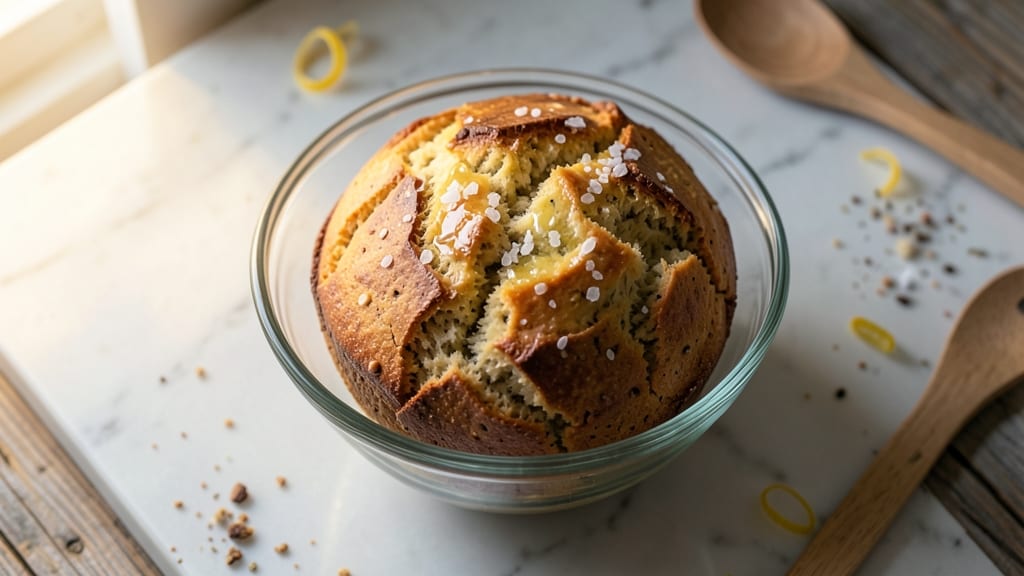
This almond flour bread recipe microwave delivers crispy crust and soft texture in minutes—no oven required. Microwave baking transforms traditional bread-making into a quick, modern solution perfect for dietary needs or small batches.
The secret lies in almond flour's ability to absorb moisture while creating that coveted crispy exterior without conventional baking.
What makes this method unique is how it mimics oven-baked texture through precise microwave timing and optional post-cooking toasting. You'll need just five simple ingredients: almond flour, eggs, water, a touch of oil, and a pinch of salt.
The dough comes together in under five minutes, then transforms in the microwave while you prepare toppings or sides.
By the time you're done, you'll have golden, crispy bread with a tender interior—ready in 15 minutes total. The microwave method preserves nutrients while delivering that satisfying crunch, making it ideal for those with gluten restrictions or busy schedules.
No more waiting for an oven to preheat or clean up from baking sheets.
Serve warm with butter, jam, or alongside soups. This recipe proves you don't need an oven to enjoy fresh, homemade bread. Let's get started with this game-changing technique!
Ingredients for almond flour bread recipe microwave
Five essential ingredients transform into golden, crispy microwave bread in minutes.
| Ingredient | Amount | Notes |
|---|---|---|
| Almond Flour 🌾 | 2 cups | Fine grind preferred for texture |
| Large Eggs 🥚 | 2 whole | Room temperature for even mixing |
| Water 💧 | ½ cup | Room temperature preferred |
| Extra-Virgin Olive Oil 🫒 | 1 tbsp | Light flavor for subtle richness |
| Diamond Crystal Kosher Salt 🧂 | ½ tsp | Fine grain for even distribution |
| Baking Powder 🍞 | ¼ tsp | Fresh for optimal leavening |
| Ground Cinnamon 🌿 | ¼ tsp | Optional for subtle sweetness |
| Honey 🍯 | 1 tbsp | Substitute maple syrup if preferred |
Almond flour is the foundation—Bob's Red Mill brand yields the best texture, but any fine-ground almond flour works. The key is room temperature eggs, which blend more smoothly for a lighter crumb. If your almond flour smells nutty but stale, toast it lightly in a dry pan for 2 minutes to revive flavor. The extra-virgin olive oil adds subtle richness without overpowering the nutty base, while Diamond Crystal kosher salt ensures even seasoning throughout the bread. For those avoiding honey, maple syrup works perfectly in equal amounts—just adjust slightly if you prefer a sweeter loaf.
No almond flour? Coconut flour at half the amount plus 1 extra egg mimics the texture, though the crumb will be denser. Egg-free? Flax eggs (2 tbsp ground flaxseed + 6 tbsp water per egg) replicate binding, though the texture may be slightly grittier. The baking powder is critical for lift—ensure it's fresh (old baking powder loses potency). For a savory version, omit the honey and cinnamon, adding 1 tbsp nutritional yeast and 1/4 tsp garlic powder instead. The optional cinnamon enhances sweetness but can be skipped entirely if you prefer a neutral flavor profile.
This dough keeps for 2 days in an airtight container in the fridge, though it's best used immediately for peak texture. For longer storage, portion into 4 microwave-safe ramekins and freeze uncooked dough for up to 3 months. To reheat, microwave frozen dough for 2 minutes, then toast in a dry skillet for 1-2 minutes per side for maximum crispiness. The bread reheats beautifully—simply wrap in a damp paper towel and microwave for 20 seconds for a soft, warm interior with a crisp exterior.
Why You'll Love This Recipe
- No Mixer Needed: I swear by this—just toss the almond flour, eggs, and olive oil in a bowl, stir until it clumps like wet sand, then microwave. No standing at the counter kneading, no flour everywhere. My hands stay clean, and the magic happens in minutes.
- Nutty But Not Heavy: That first bite? Rich, buttery, and subtly sweet from the almond flour—like a cross between a brioche and a croissant, but lighter. The olive oil keeps it moist without tasting greasy, and the salt? Just enough to make every slice sing.
- Breakfast or Snack: Honestly, this bread works everywhere. Toast it for breakfast with jam, tear it into croutons for salads, or pack slices for lunch. I’ve even used it as a base for French toast—crispy edges, no soggy middle.
- Zero Waste, Maximum Leftovers: A single batch lasts my family five days. The almond flour doesn’t dry out fast, and the microwave method means I’m not baking extra loaves. Plus, the eggs and olive oil stretch further than you’d think—budget-friendly without tasting cheap.
Step-by-step instructions for almond flour bread with microwave quick rise
This method delivers a crispy crust and tender crumb in minutes without conventional baking.
Combine Wet Ingredients for Optimal Texture
In a medium microwave-safe bowl, whisk together the 2 whole Large Eggs and the 1 tbsp Extra-Virgin Olive Oil until fully combined. Add the 0.5 cup Water and 1 tbsp Honey, then mix again until smooth. The honey helps create a subtle sweetness while also contributing to the bread's moisture.
Microwave this mixture on high for 30 seconds, then stir vigorously. This step ensures even heating of the eggs and prevents any potential separation. The mixture should reach 160°F—just warm enough to blend seamlessly with the dry ingredients without cooking them.
Mix Dry Ingredients and Create the Dough
In a separate bowl, sift together the 2 cups Almond Flour, 0.5 tsp Diamond Crystal Kosher Salt, 0.25 tsp Baking Powder, and 0.25 tsp Ground Cinnamon. The cinnamon adds warmth without overpowering, while the baking powder ensures proper rise despite the microwave method. Whisk these dry ingredients thoroughly to eliminate any lumps.
Pour the warm egg mixture into the dry ingredients and stir with a spatula until fully incorporated. You'll notice the dough becomes thick and slightly sticky—this is normal. The almond flour absorbs moisture differently than wheat flour, so don't be tempted to add extra liquid. Mix just until combined, about 1 minute, to avoid developing gluten.
Shape and Microwave for Quick Rise
Transfer the dough to a greased loaf pan (or microwave-safe bread mold). Using damp hands, press the dough firmly into the pan, creating an even surface. This shaping step is crucial for achieving an even rise and crispy crust. Tap the pan gently on the counter to remove any air bubbles that may have formed during mixing.
Cover the pan tightly with plastic wrap or a microwave-safe lid. Microwave on high for 3 minutes, then remove the cover and let it rest for 1 minute. This initial rise allows the dough to expand slightly before the final cooking phase. The bread should begin to puff slightly at the edges—this indicates proper steam development.
Achieve Crispy Crust with Microwave Technique
Return the covered bread to the microwave and cook for another 2 minutes on high. Then uncover and microwave for an additional 1-2 minutes until the top turns a deep golden brown. The crust should be firm to the touch, with a slight crackling sound when tapped—a telltale sign of proper crispiness.
For extra crispiness, brush the top with a little more Extra-Virgin Olive Oil after the first uncovered minute. This creates a glossy finish and enhances the crust's texture. The internal temperature should reach 190-200°F when checked with an instant-read thermometer.
Rest and Serve for Maximum Freshness
Remove the bread from the pan and let it cool on a wire rack for 5-10 minutes. This resting period allows the internal structure to set, preventing a gummy texture. The bread should be firm enough to slice cleanly but still warm through. For the crispiest slices, serve immediately after cooling.
Slice the bread while still slightly warm for the best texture. Each slice should reveal a tender crumb with a satisfyingly crisp exterior. Store any leftovers in an airtight container at room temperature for up to 2 days, or freeze for longer storage. The microwave method preserves freshness remarkably well compared to traditional baking.
Pro Tips For Making Almond Flour Bread Recipe Microwave
- Microwave at 70% Power: Almond flour bread dries out fast in the microwave, so don’t blast it on full power. Start at 70% for 45 seconds, then check the center—it’ll look underdone but firm up as it cools. I learned this the hard way after ending up with a dense, gummy loaf.
- Use Room-Temp Eggs: Cold eggs mix unevenly with almond flour, leaving pockets of uncooked batter. Crack them into a bowl and let them sit for 10 minutes before whisking—this ensures a smoother, more uniform loaf. (Yes, even if you’re impatient like me.)
- Don’t Overmix the Batter: Almond flour develops gluten when overworked, turning your bread into a tough, dense brick. Stir just until the wet ingredients are combined—lumps are fine. I was skeptical until I tried it, and the texture improved instantly.
- Add Olive Oil Last: Mixing olive oil into dry almond flour first creates a gritty, uneven texture. Whisk it in with the water and eggs at the very end, then fold gently. This keeps the crumb tender and the flavor evenly distributed—no one wants a bread that tastes oily in spots.
Creative variations of almond flour bread recipe microwave
Sweet & Savory Twists
Add 1 tbsp lemon zest to the dough for a bright citrus twist that pairs beautifully with honey. The acidity cuts through the richness of almond flour, creating a perfect balance.
For savory lovers, swap honey for 1 tbsp Dijon mustard and add 1 tsp dried rosemary—this version works wonderfully with soups or charcuterie boards. 🌿
Gluten-Free Adaptations
This recipe is naturally gluten-free, but you can enhance texture by adding 1 tbsp psyllium husk powder to the dry ingredients. Mix it with the almond flour before combining with wet ingredients—this creates a lighter, more elastic crumb.
For extra moisture, increase water by 1 tbsp if the dough feels too dry after mixing.
Microwave vs. Oven Comparisons
The microwave method skips traditional proofing, so the bread develops structure differently. Unlike oven-baked bread, this version has a denser crumb but achieves crispiness through precise timing and post-cooking toasting.
For a hybrid approach, bake the shaped dough in a 350°F oven for 15-20 minutes after the microwave step for a taller loaf.
Mini Muffin Variations
Portion dough into 12 greased muffin cups (about 2 tbsp per cup) for bite-sized bread. Microwave uncovered for 1 minute 30 seconds, then toast in a dry skillet for 30 seconds per side to crisp.
These work perfectly as appetizers or breakfast bites—add chopped walnuts or blueberries before baking for extra texture. 🍯
Herb-Infused Finishes
After microwaving, brush the top with melted butter and sprinkle with fresh thyme or dried oregano. For a Mediterranean touch, add crumbled feta cheese and kalamata olives before the final microwave minute. The herbs release aromatic oils during the toasting step, enhancing flavor without overpowering.
Dairy-Free Options
Replace eggs with 2 flax eggs (2 tbsp ground flaxseed + 6 tbsp water) for a vegan version. Use coconut oil instead of olive oil and add 1 tsp apple cider vinegar to the wet mix for better rise.
The texture will be slightly denser but still crispy when toasted. This adaptation works beautifully for those avoiding all animal products while keeping the microwave method intact.
Nutrition facts
Frequently asked questions
Can I make this almond flour bread without a loaf pan?
Shape the dough into a round or oval on a microwave-safe plate lined with parchment paper. For extra crispiness, press the edges slightly thicker. Microwave uncovered for 2-3 minutes total, rotating halfway for even browning. This works especially well for single-serving portions.
Why does my microwave bread turn out gummy instead of crispy?
Gummy texture usually means the bread didn't get enough moisture released during cooking. Try these fixes: Uncover the bread for the final 1-2 minutes of microwaving, or brush the top with olive oil after cooking and toast in a dry skillet for 30 seconds per side. Also ensure your microwave is running at full power.
How do I store leftovers to keep them crispy?
Store slices in an airtight container with a paper towel between layers to absorb moisture. For extra crispiness, reheat in the microwave for 10-15 seconds or toast in a dry pan for 1-2 minutes. The microwave method preserves texture better than oven-baked bread when stored properly.
Can I use almond meal instead of almond flour?
Almond meal (coarser grind) works but will give a denser, more rustic texture. For best results, pulse almond meal in a food processor until fine. If using as-is, add 1 extra tablespoon of water to compensate for reduced moisture absorption. The flavor will be nuttier but slightly grittier.
What's the best way to make this bread egg-free?
Replace eggs with 2 flax eggs (2 tbsp ground flaxseed + 6 tbsp water) and add 1 tsp apple cider vinegar to the wet mix. For extra binding, increase water by 1 tablespoon. The texture will be slightly denser but still crispy when toasted. Let the dough rest for 5 extra minutes before microwaving.