
Side Dishes
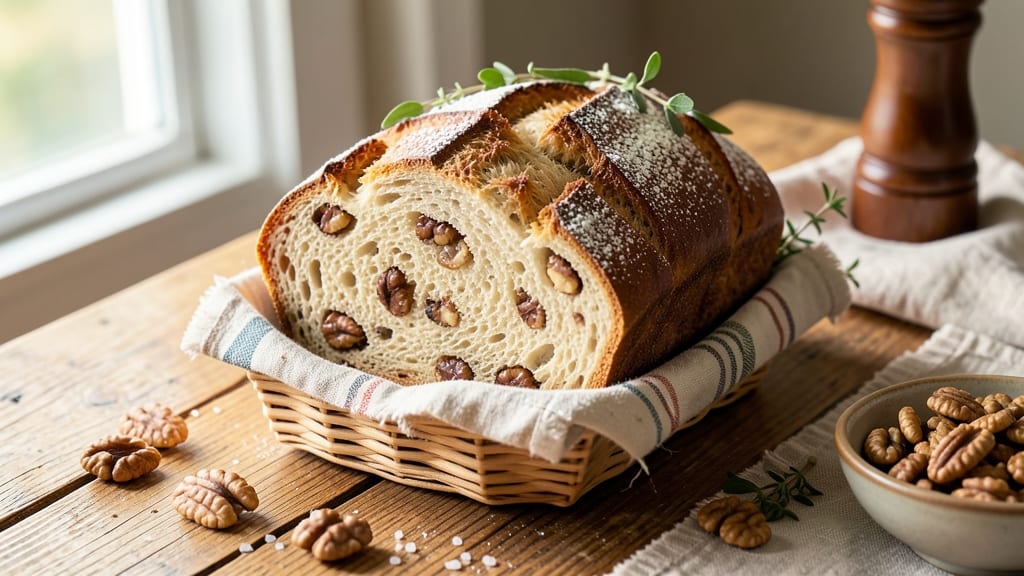
This Amish friendship sourdough bread recipe brings heartwarming tradition to your kitchen with its signature walnut-spice harmony. 🌟 The secret lies in a slow-fermented sourdough starter that develops deep flavor over days, while walnuts and warm spices create that signature Amish touch that makes every slice memorable.
What sets this recipe apart is the patience required—letting the dough rise for hours creates that signature tender crumb and crispy crust. The shaping into a rustic log form is both practical and symbolic, reflecting Amish values of simplicity and community sharing.
This isn't just bread; it's a centerpiece for gatherings.
The result is a loaf with a golden, crackly crust that gives way to a soft, open crumb studded with walnuts and infused with cinnamon and nutmeg. Each slice reveals layers of texture and flavor that make it irresistible straight from the oven or toasted the next morning.
Perfect for holiday sharing, gift-giving, or simply enjoying with butter and jam, this recipe captures the essence of Amish hospitality. The process may take time, but the reward—a loaf that tastes like home—is worth every moment of waiting.
Ingredients for amish friendship sourdough bread
These ingredients blend tradition and warmth for a sourdough loaf that feels like home.
| Ingredient | Amount | Notes |
|---|---|---|
| Active Sourdough Starter 🍞 | 1 cup | Fed and bubbly, 100% hydration |
| All-Purpose Flour 🌾 | 5 cups | Unbleached, high protein preferred |
| Walnuts 🥜 | 1 cup | Chopped, toasted for depth |
| Granulated Sugar 🍚 | ¼ cup | Light brown preferred |
| Instant Yeast 🍞 | ½ tsp | For reliable fermentation |
| Salt 🧂 | 1 tsp | Fine sea salt preferred |
| Ground Cinnamon 🌿 | 1 tsp | Freshly ground for warmth |
| Ground Nutmeg 🌶️ | ½ tsp | Freshly grated preferred |
| Unsalted Butter 🧈 | ½ cup | Cold, cubed for crust |
| Water 💧 | 2 ½ cups | Room temperature preferred |
| Cornmeal 🌽 | ½ cup | For dusting baking sheet |
The sourdough starter is the heart of this recipe—24-hour fermentation at room temperature gives it that signature tang. King Arthur or Bob's Red Mill flour works best for consistent results. Walnuts should be toasted in a dry pan for 5 minutes before chopping to deepen their flavor. The spices? Penzeys or McCormick ground spices are reliable, but freshly grated nutmeg makes all the difference. For the butter, Plugrá or Land O'Lakes unsalted gives the best texture when cold and cubed.
No sourdough starter? Substitute 1 packet active dry yeast with 1 extra tbsp sugar, but expect a milder flavor. Swap walnuts for pecans or hazelnuts if preferred, but toast them first. Running short on cinnamon? Cardamom or allspice add warmth too. The cornmeal can be omitted if you've got semolina—just dust the baking sheet generously. For the butter, vegan butter works too if needed, though texture may vary slightly.
This dough needs 4-6 hours of cold proofing for optimal rise—wrap tightly in plastic and refrigerate. The finished loaf keeps 3-4 days wrapped at room temperature, or 1 week frozen. For gift-giving, slice and wrap individually with parchment—Amish-style presentation included. Leftovers? Toast with butter and jam for the full experience.
Why You'll Love This Recipe
- No-Knead Magic: The starter does all the work—just mix, let it rise overnight, and bake. Honestly, I’ve made this on lazy Sundays when I didn’t even want to turn on the oven.
- Walnuts Win Big: Crunchy, toasted walnuts in every bite? That’s the secret weapon here. The sugar caramelizes just enough to make the whole loaf feel like a little treat—no frosting required.
- Weeknight Workhorse: Toss a slice in your lunchbox, tear it for sandwiches, or freeze half for when you’re too tired to bake. Between us, this bread has saved my dinner plans more times than I can count.
- Budget Bread, Big Payoff: Uses pantry staples and stretches into multiple meals. I’ve fed a houseful with two loaves—some for breakfast, some for dinner, and the rest for toast when the kids raid the fridge.
Step-by-step instructions for Amish friendship sourdough bread
Here's how to craft this beloved loaf with perfect rise and spiced walnut crunch.
👨🍳 Step 1: Mix the Wet Ingredients and Toast the Walnuts
In a large mixing bowl, combine the 1 cup active sourdough starter, 2.5 cups water, and 0.25 cup granulated sugar. Let this mixture sit for 5 minutes while you prepare the dry ingredients. The sugar will help activate the starter and create a slightly sweet base for the bread.
Meanwhile, toast the 1 cup walnuts in a dry skillet over medium heat for 3-4 minutes until fragrant and golden. Watch them closely—they burn quickly. Transfer to a cutting board and roughly chop them with a knife. The toasted walnuts will add depth of flavor and prevent the bread from becoming too dense.
👨🍳 Step 2: Combine Dry Ingredients and Build the Dough
In a separate bowl, whisk together the 5 cups all-purpose flour, 0.5 tsp instant yeast, 1 tsp salt, 1 tsp ground cinnamon, and 0.5 tsp ground nutmeg. Sift the mixture to aerate the flour and ensure even distribution of the spices. This step is crucial for developing the bread's signature warm spice aroma.
Add the toasted walnuts to the dry ingredients and mix briefly. Then pour the wet ingredients into the dry ingredients and stir with a wooden spoon until a shaggy dough forms. The dough will be sticky—this is normal for sourdough. Let it rest for 10 minutes while you prepare your workspace.
🥘 Step 3: Knead and Shape the Dough
Lightly dust your work surface with 0.5 cup cornmeal and turn out the dough. Sprinkle the remaining 0.5 cup unsalted butter over the dough and knead it in by folding the dough over itself 8-10 times. This incorporates the butter for a tender crumb and rich flavor. The dough will be sticky but should come together with gentle handling.
Shape the dough into a round loaf about 8 inches in diameter and place it in a lightly greased bowl. Cover with a damp towel and let it rise at room temperature for 1-2 hours, or until it has nearly doubled in size. You'll know it's ready when the dough springs back slowly when poked with a finger—this indicates proper fermentation.
🔥 Step 4: Bake to Golden Perfection
Preheat your oven to 375°F. Line a baking sheet with parchment paper and dust it generously with cornmeal. Transfer the risen dough to the prepared baking sheet and make a shallow slit in the top with a sharp knife to allow steam to escape. This prevents the loaf from cracking open during baking.
Bake for 30-35 minutes until the bread is deep golden brown and sounds hollow when tapped on the bottom. The internal temperature should reach 190-200°F when measured with an instant-read thermometer. The warm spices should fill your kitchen with an inviting aroma—this is your signal that the bread is done.
⏰ Step 5: Cool and Slice for Maximum Enjoyment
Remove the bread from the oven and let it cool on a wire rack for at least 30 minutes. This resting period allows the internal structure to set and prevents the loaf from becoming gummy when sliced. The bread will be warm but firm enough to handle.
Slice the loaf into 4 equal portions—each serving will showcase the perfect balance of tender crumb, nutty walnuts, and warm cinnamon-nutmeg spice. Serve warm with butter or jam for the ultimate Amish friendship bread experience. The bread keeps well at room temperature for 2-3 days or can be frozen for up to 3 months.
Pro Tips For Making Amish Friendship Sourdough Bread
- Toast Your Walnuts: Skip the raw walnuts—they’ll turn bitter and weird. Lightly toast them in a dry skillet over medium heat for 3-4 minutes until fragrant, then let cool completely before chopping. I learned this the hard way when my first batch tasted like cardboard.
- Weigh Your Flour: Ditch the scooping—this recipe relies on precise ratios. Use a kitchen scale for the all-purpose flour and sourdough starter. A cup of flour varies wildly by brand, and you’ll end up with a dense, gummy loaf if you guess.
- Don’t Rush the Proof: Let the dough rise until it’s almost doubled, then give it another hour. The sourdough starter needs time to fully activate, especially if your kitchen’s cool. Patience here means a lighter, airier crumb—not a brick.
- Preheat Your Dutch Oven: Place it in the oven with the rack on the lowest setting for at least 30 minutes before baking. This ensures a deep, crackly crust from the get-go. I used to skip this, and my bread always came out pale and sad.
Essential equipment for amish friendship sourdough bread
Sourdough Starter Essentials
Your active sourdough starter is the foundation of this recipe—don’t skip the 24-hour fermentation at room temperature. I recommend using a glass jar (like Ball mason jars) for easy monitoring of bubbles.
A digital kitchen scale (such as the OXO Good Grips) ensures precise measurements of your starter’s weight, which is crucial for consistency. 🌟
Mixing and Kneading Tools
A wooden dough whisk (like the Norpro dough whisk) is perfect for combining wet and dry ingredients without overworking the dough. For kneading, a well-floured surface and damp towel keep things manageable.
If you’re uncomfortable with hand-kneading, a stand mixer with a dough hook (like the KitchenAid Artisan) saves time and effort—just use the lowest speed to avoid overmixing.
Proofing and Shaping
Use a lightly greased bowl (I prefer coconut oil for its neutral flavor) to hold the dough while it rises. A digital thermometer (like the Thermoworks Thermapen) helps monitor your kitchen’s temperature—ideal proofing occurs between 75-80°F.
For shaping, a bench scraper (such as OXO Good Grips) makes transferring sticky dough to the baking sheet effortless. 🥖
Baking and Cooling
Preheat your oven with a baking stone (like Lodge Cast Iron) for 30 minutes before baking to ensure even heat distribution. A parchment-lined baking sheet prevents sticking, and cornmeal adds texture to the crust.
For cooling, a wire cooling rack (such as Amazon Basics) keeps the bread from becoming soggy. A serrated bread knife (like Mercer Culinary) ensures clean slices without squishing the crumb.
Optional Extras
For a crispier crust, brush the loaf with melted butter before baking. A spray bottle (like SimpleHouseware) helps mist the dough for a smoother rise. If you love presentation, a wooden bread board (such as West Elm) adds rustic charm to your finished loaf.
For storage, vacuum-sealed bags (like FoodSaver) extend freshness for up to 2 weeks in the freezer. 💫
Nutrition facts
Frequently asked questions
Why is this called "friendship bread"?
This tradition comes from Amish communities where neighbors would gather to bake bread together, symbolizing friendship and shared labor. The loaf is often cut into equal slices and shared with friends or given as gifts—each slice represents a connection. The name reflects both the communal baking process and the act of giving.
Can I make this without a sourdough starter?
Yes, but the flavor won't be identical. Substitute 1 packet active dry yeast plus 1 extra tbsp sugar for the starter. For best results, let the dough ferment an extra 30 minutes after mixing to mimic some of the sourdough's complexity. The texture will be softer but still delicious.
How do I know when the dough is fully risen?
The dough should nearly double in size and have a springy texture. Press your finger gently into it—if it springs back slowly (not immediately), it's ready. For a more accurate test, use a toothpick: if it comes out clean with a few moist crumbs, the dough has risen enough for baking.
Why does my crust look pale instead of golden?
A pale crust usually means the oven wasn't hot enough or the dough didn't bake long enough. Preheat your oven for at least 30 minutes before baking, and check the internal temperature with a thermometer—it should reach 190-200°F. For extra color, brush the loaf with melted butter before baking or increase the oven temperature by 25°F for the last 10 minutes.
Can I add other nuts or spices?
Swap walnuts for pecans, almonds, or hazelnuts (toast first for best flavor). For spices, try cardamom, cloves, or ginger instead of nutmeg. Just keep the total nut/spice amount similar to maintain balance. The key is toasting the nuts and using freshly ground spices for maximum flavor impact.