
Side Dishes
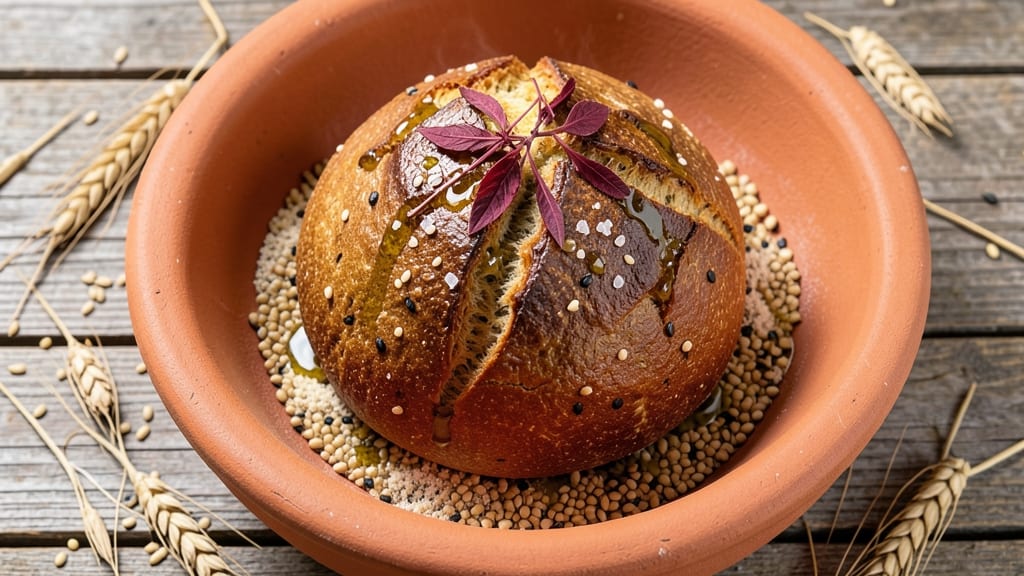
This ancient Greek barley bread recipe transports you straight to the streets of Athens with every bite—where simple ingredients like barley flour, olive oil, and water create a loaf that’s both rustic and deeply satisfying.
The nutty, earthy depth of barley flour gives it a texture unlike modern white bread, with a satisfying crust that crumbles just enough to soak up olive oil or hummus.
I first discovered this recipe while studying traditional Greek baking techniques, and it’s become a staple in my kitchen for its simplicity and historical authenticity.
The beauty of this bread lies in its versatility—it can be baked as a flatbread for dipping or shaped into a round loaf for sandwiches, all while requiring just five core ingredients.
The dough is straightforward to mix, with no yeast needed for a quick version, though a slow fermentation adds complexity.
Ancient Greeks relied on barley as a staple grain, and this recipe honors that tradition while delivering a bread that’s hearty enough for a main course or light enough for a side.
What makes this recipe special is how it balances tradition with modern convenience. The crust develops a satisfying crunch while the interior remains tender, thanks to the right amount of hydration and baking time.
Serve it warm with olive oil and sea salt for a simple meal, or pair it with grilled meats and vegetables for a full Greek-inspired feast. The aroma alone—warm barley and olive oil—will have you reaching for another slice before it even cools.
Whether you’re baking for a historical reenactment, a Mediterranean meal, or simply craving something with depth, this barley bread delivers. The process is forgiving, the results are consistently impressive, and the cultural connection makes every bite feel like a journey.
Let’s get started on a loaf that tastes like ancient Greece.
Ingredients for ancient greek barley bread
Five simple ingredients transform into bread that tastes like ancient Greece's streets.
| Ingredient | Amount | Notes |
|---|---|---|
| Barley Flour 🌾 | 3 cups | Medium or pearled barley flour preferred |
| Extra-Virgin Olive Oil 🫒 | ½ cup | High-quality, fruity variety |
| Water 💧 | 1 ½ cups | Room temperature preferred |
| Sea Salt 🧂 | 1 ½ tsp | Fine grain preferred |
| Dried Oregano 🌿 | 1 tsp | For authentic Greek flavor |
| Sesame Seeds 🌻 | 1 tbsp | Optional for topping |
| Honey 🍯 | 1 tbsp | For brushing crust (optional) |
The barley flour is the heart of this recipe—medium or pearled barley flour gives the best texture, though whole grain works too. Bob's Red Mill carries excellent barley flour, or check the international aisle at Whole Foods for authentic Greek brands like Barley's Gold. Look for a vibrant, golden color in your flour; off-white or dull tones mean it's past its prime. If you can't find barley flour, spelt flour is a decent substitute, though the texture will differ slightly. The olive oil should be extra-virgin—anything less and the bread loses its rich, fruity depth. Store your flour in an airtight container to prevent moisture absorption, which can make your dough gummy.
No barley flour? Buckwheat flour at half the amount adds earthiness, though the texture will be denser. Swap the dried oregano for thyme or rosemary if you prefer, but oregano is traditional for its Mediterranean brightness. Sesame seeds can be omitted, but if you love them, try toasted poppy seeds instead. The honey is optional but worth it—brush the warm loaf with honey right after baking for a subtle sweetness that balances the barley's nuttiness. For a yeast-free version, this dough relies on the natural gluten in the flour to rise slightly; if you want extra lift, add 1 tsp baking soda but reduce water by 1 tbsp.
This dough doesn't need refrigeration—mix it, shape it, and bake within 2 hours for best results. The bread keeps well at room temperature for 3 days wrapped in a clean kitchen towel, or freeze portions for up to 3 months. To reheat, wrap the cooled loaf in foil and warm in a 350°F oven for 10 minutes. The crust stays crisp for about 24 hours if stored in a bread box, but it's best enjoyed fresh. For a restaurant-quality experience, brush the baked loaf with extra olive oil while still warm—this enhances the crust's crunch and adds a luxurious finish.
Why You'll Love This Recipe
- Four-Ingredient Magic: Honestly, this bread needs nothing but barley flour, olive oil, water, and salt—plus a pinch of oregano. I’ve made it with just my hands and a cast-iron skillet, no mixer, no fancy tools. That earthy barley flavor? It’s all you.
- Crusty & Hearty: Between us, the first bite of that crispy olive-oil crust while the inside stays tender is chef’s kiss. The oregano adds this bright, herby punch that cuts through rich dishes—like a perfect contrast to grilled meats or a simple tomato salad.
- Meal Prep MVP: I bake a big batch on Sundays, slice it, and keep it in the fridge for the week. Toast it straight from the fridge for breakfast, or pack it in lunchboxes—it’s sturdy enough to handle kids’ messy hands (yes, even on a Tuesday night).
- Budget-Friendly Staple: Barley flour is cheaper than white flour, and this recipe stretches further than most breads. Plus, the olive oil adds richness without breaking the bank—just enough to make it feel special, but not over-the-top expensive. My wallet and my taste buds win.
Step-by-step instructions for ancient Greek barley bread
This method brings ancient Greek baking techniques to your kitchen for a bread with deep flavor and satisfying texture.
Combine Wet and Dry Ingredients
In a large mixing bowl, whisk together the 3 cups barley flour, 1.5 tsp sea salt, and 1 tsp dried oregano. The barley flour should be medium or pearled for best texture. Create a well in the center and pour in the 0.5 cup extra-virgin olive oil and 1.5 cups water at room temperature. The mixture will be thick and shaggy—this is normal with barley flour.
Use a wooden spoon or your hands to gradually incorporate the wet ingredients into the dry. You're aiming for a cohesive dough that's slightly tacky but not sticky. If it feels too dry, add 1 tablespoon water at a time until it comes together. The dough should hold its shape when pressed but still be soft enough to handle easily. Barley flour absorbs more moisture than wheat flour, so don't be surprised if you need slightly more water than called for.
Knead Until Smooth and Elastic
Turn the dough onto a lightly floured surface and knead for 8-10 minutes by pressing down, folding over, and turning. You're looking for a smooth, elastic dough that springs back slightly when pressed. Barley dough develops gluten more slowly than wheat, so knead longer than you might with regular bread dough. The finished dough should be firm but not crumbly, and should leave a clean surface when tested with your finger.
If the dough feels too sticky during kneading, add 1 tablespoon flour at a time until it's workable. Wrap the dough in plastic wrap and let it rest for 30 minutes at room temperature. This resting period allows the gluten to relax, making it easier to shape later. I like to place the dough in a bowl and cover it loosely with a damp towel to prevent it from drying out during the rest.
Shape and Proof the Dough
After resting, divide the dough into 4 equal portions (about 1 cup each). Roll each portion into a ball, then flatten slightly into a disc about ½-inch thick. Place the discs on a baking sheet lined with parchment paper, spacing them about 2 inches apart. Cover with a clean kitchen towel and let them proof at room temperature for 1-1.5 hours or until they've risen by about 50%.
You'll know they're ready when the dough feels slightly springy to the touch and has puffed noticeably. The proofing time may vary based on your kitchen's humidity—warmer environments will speed up proofing. If the dough rises too quickly, place it in the refrigerator to slow the process. Avoid overproofing, which can lead to dense bread. The edges should look slightly rounded and the tops should have a gentle dome shape.
Preheat and Prepare for Baking
Preheat your oven to 375°F. While it heats, brush the tops of the dough discs lightly with 1 tablespoon honey (if using) and sprinkle with 1 tablespoon sesame seeds. The honey will caramelize slightly during baking, adding a subtle sweetness that complements the earthy barley flavor. The sesame seeds add a pleasant crunch and visual appeal that nods to ancient Greek baking traditions.
Place the baking sheet on the middle rack of your oven. Bake for 25-30 minutes until the bread is deep golden brown and sounds hollow when tapped on the bottom. The internal temperature should reach 190-200°F when measured with an instant-read thermometer. The crust should be crisp and the interior should be fully baked with no raw dough remaining. If the tops brown too quickly, tent the bread with aluminum foil after 15 minutes to prevent over-browning.
Cool and Serve
Remove the bread from the oven and transfer to a wire rack to cool completely. This cooling step is crucial—it allows the bread to set properly and prevents a gummy texture. While cooling, you'll notice the bread develops a beautiful crust with a crisp exterior and a tender, moist interior. The aroma of freshly baked barley bread is unmistakable, with notes of toasted barley and subtle oregano.
Serve the bread warm or at room temperature. It's perfect for dipping in olive oil or pairing with Mediterranean dishes. The bread will keep well at room temperature for 2-3 days in an airtight container, though it's best enjoyed fresh. For extra flavor, you can lightly toast slices before serving. The nutty, earthy depth of barley shines through in every bite, making this bread a true taste of ancient Greece.
Pro Tips For Making Ancient Greek Barley Bread
- STIR LIKE YOU MEAN IT: Barley flour is heavy and gummy—don’t just mix it once. After adding water, stir vigorously for 30 seconds, then let it sit for 5 minutes before stirring again. I learned this the hard way when my first batch turned into a brick.
- USE COLD WATER: Hot water makes barley dough gluey and hard to handle. Mix your flour with cold water (even ice water if you’re impatient) to get a dough that’s just firm enough to shape without sticking. Trust me, your hands will thank you.
- PRESS FIRM, NOT HARD: When shaping the bread, press the dough into the pan with the flat of your hand—don’t pound it like you’re mad at it. Too much force compacts the barley, making it dense. Aim for even pressure, like you’re smoothing a blanket.
- TOAST THE OREGANO FIRST: Skip the dried oregano straight from the jar—it’s dull. Heat it in a dry pan for 30 seconds until fragrant, then sprinkle it in. The warmth unlocks its flavor, and your bread won’t taste like you forgot to season it. (Yes, even if you’re in a hurry.)
Flavor customization for this recipe
Herb Variations
Swap the oregano for 1 tsp dried thyme or 1 tbsp fresh rosemary for a more aromatic profile. The thyme adds a subtle earthiness that pairs beautifully with the barley's nuttiness, while rosemary brings a piney brightness.
For a Mediterranean twist, mix ½ tsp dried oregano with ½ tsp dried basil—this combo mimics the herb blends used in ancient Greek cuisine. 🌿
Sweet Enhancements
Add 1 tbsp honey to the dough for a subtle sweetness that caramelizes during baking. For extra richness, replace the honey with 1 tbsp maple syrup or 1 tbsp agave nectar.
If you love cinnamon, sprinkle ¼ tsp ground cinnamon into the dough—it pairs surprisingly well with the barley’s earthy notes. Brush the baked loaf with more honey or olive oil for a glossy finish.
Savory Add-Ins
Incorporate ¼ cup chopped walnuts or pumpkin seeds into the dough for texture and crunch. For a cheesy twist, fold in ½ cup crumbled feta cheese—it melts slightly during baking, adding a salty tang.
If you love garlic, mix 1 minced garlic clove into the olive oil before combining with the flour. These additions elevate the bread’s rustic charm while keeping it authentically Greek.
Flatbread Adaptation
Skip the proofing step and flatten the dough into ¼-inch-thick rounds for a quick flatbread. Brush with olive oil and bake at 425°F for 10-12 minutes until golden and crisp. These flatbreads are perfect for dipping in tzatziki or olive tapenade.
For extra flavor, sprinkle with flaky sea salt and smoked paprika before baking. They’re ready in minutes and ideal for impromptu meals.
Spiced Olive Oil Twist
Infuse the olive oil with flavor before mixing: heat ¼ cup olive oil with 1 tsp red pepper flakes and 1 crushed garlic clove for 2 minutes, then let cool. Use this spiced oil in place of plain olive oil for a bold, aromatic kick.
The heat and garlic deepen the bread’s complexity, making it a standout side for grilled meats or roasted vegetables. 🌶️
Nutrition facts
Frequently asked questions
Why does barley flour make this bread different from regular bread?
Barley flour has a higher protein content and nuttier flavor than wheat flour, giving this bread a denser texture and earthy taste. Ancient Greeks relied on barley because it grew well in their climate and was more nutritious than wheat. The dough also requires slightly more water since barley absorbs moisture differently. This makes the bread heartier and perfect for Mediterranean meals!
Can I make this bread without olive oil?
While olive oil is traditional and adds authentic flavor, you can substitute ½ cup melted butter or ¼ cup neutral oil like canola if needed. Just note that olive oil gives the bread its signature fruity depth and helps create that crisp crust. For a lighter version, reduce the oil to ¼ cup but add 1 extra tablespoon of water to maintain moisture.
What if my dough doesn't rise properly?
Barley bread often rises less dramatically than wheat bread. If your dough isn't puffing after 1.5 hours, try these fixes:
- Increase proofing time to 2 hours in a warm spot (like near the oven with the light on),
- Add ½ tsp baking soda to the dough, or
- Shape it thinner for a flatter, crispier result. The bread will still taste delicious—it's all about texture preferences!
How do I store leftovers to keep them fresh?
Wrap cooled bread in a clean kitchen towel or beeswax wrap, then store at room temperature for 2-3 days in a bread box. For longer storage, freeze slices in a sealed bag for up to 3 months. To revive stale bread, warm slices in a 350°F oven for 5-7 minutes with a sprinkle of water. The crust stays crisp for about 24 hours if kept airtight.
Can I use this bread for sandwiches?
The sturdy texture holds up well to fillings. For best results, slice the bread while still warm, then lightly toast the slices in olive oil before assembling. Try it with grilled vegetables, hummus, or feta cheese. If the bread feels too dense, slice it thinner and layer with soft ingredients like avocado or tzatziki to balance the texture.